Surf Lingo Explained

Live Surf Cams

Surfline Live is a 24/7 glimpse into the world’s surf.

This stream moves through Surfline's global camera network, showing spots where it’s daylight and rated Fair or better.

What's The Deal With...?

Surf Lifestyle & Travel

How can I improve my technique to handle bigger, more powerful waves?

It starts in the gym and in smaller surf. Build your paddle power and pop-up speed. Practice breath-holding to stay calm in the wash cycle. When you’re ready, study the lineup: watch where the sets break and where the locals take off. Commit fully on take-off—hesitation is a wipeout. Learn to angle your take-off and use your rail to control speed. It’s a gradual process, so respect the ocean and always surf with a buddy when pushing your limits.

How do I plan a surf road trip to chase the swell?

Stay flexible! Have a general route, but let the forecast be your guide. Use reliable apps to track swell, wind, and tides. Have spots in mind for different swell directions. Pack a versatile quiver—a good shortboard and a fish or mini-mal. Embrace the adventure: some days you’ll score, others you’ll get skunked. Talk to locals in shops, they often have the best beta. Remember, it’s about the journey, the new lineups, and the stories, not just perfect waves every single day.

What’s the key to reading a complex reef break like Pipeline?

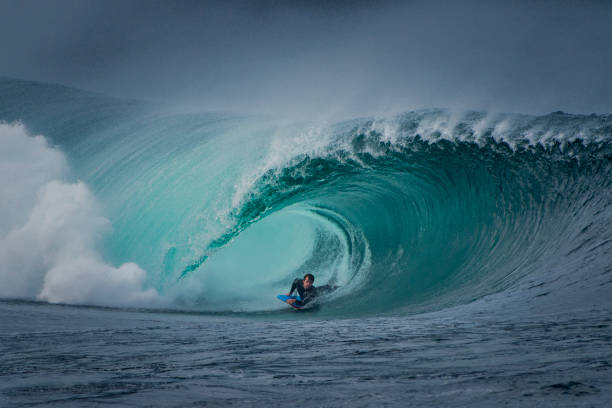
Patience and observation from the sand, first. Watch how the wave throws, where the boils are (showing shallow reef), and where the pros take off and pull in. Note the distinct peaks—First Reef, Second Reef, Third Reef—and how they connect. Understanding the tide is critical; a slight change can make it a totally different wave. It’s a puzzle. Never just paddle out blind. The more you watch, the more you see the line-up’s rhythm and the terrifying, perfect barrel it offers.

Surf Gear Essentials

How often should I be re-waxing?

There’s no set rule—it’s all about feel. When the deck gets slick, shiny, or the bumps wear down, it’s time. Heavy use, warm water, and sun will mean more frequent applications. Always give it a quick check before you paddle out. A fresh top coat takes two minutes and boosts your confidence instantly. Many pros do a light refresh every session. Think of it like tuning your stick; keep it grippy and responsive.

What’s the deal with different wax temps?

It’s all about matching the wax to the water temp. Cold wax is hard for icy waves, tropical wax is soft for warm water. Using the wrong one is a nightmare—it either turns to slime or stays rock hard, and you’ll be slipping off your board. Check the water temp before you wax up. A good basecoat of base wax first helps any top coat stick better, giving you that solid foundation for maximum grip in your specific session.

What’s the deal with different surfboard shapes, dude?

It’s all about matching your craft to the wave and your vibe. Shortboards are for ripping and sharp turns. Longboards are for classic style, nose rides, and smaller days. Funboards are the perfect hybrid for progression. Fish shapes provide insane speed in weak surf. Think of it like your quiver: you need different sticks for different conditions. Choosing the right shape is key to unlocking more fun in the water and taking your performance to the next level.