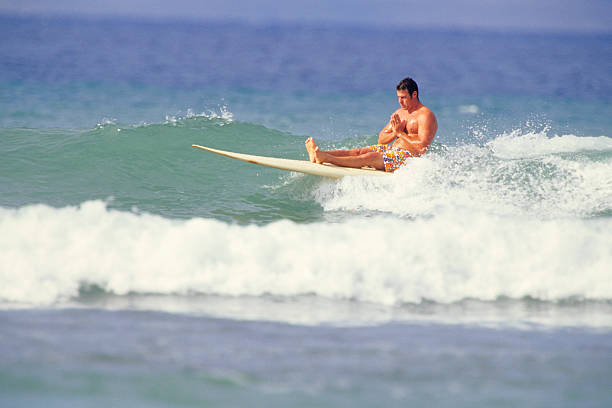
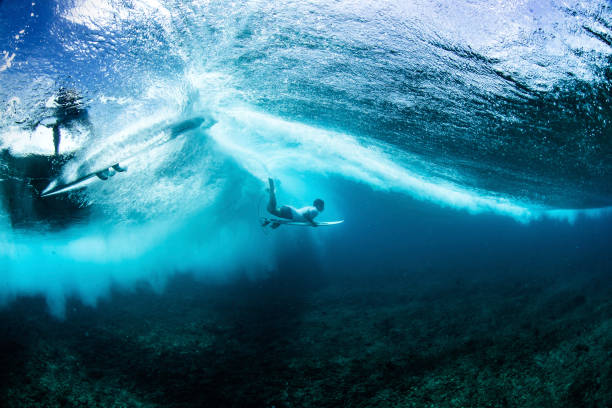
You paddle out at sunrise, the lineup empty save for a couple of old-timers who nod without words. The sets come smooth and glassy, peeling down the reef like they were drawn just for you. It’s a perfect wave. But when you drag yourself back to shore, belly rumbling and salt crusted on your skin, the real stoke hasn’t even started. That’s when the local family waves you over to their thatched hut, hands you a bowl of steaming fish curry, and grins like you’ve been friends forever. That meal, right there, becomes the heart of the trip. Because surfing travel isn’t just about scoring uncrowded waves. It’s about the cultural immersion that happens when you stop being a tourist and start being a guest.
When you chase swells to far-flung corners of the Pacific or the Indian Ocean, you quickly learn that the wave is only half the story. The other half is the people who live beside it. Every surf break has a community built around it, often for generations. The local kids who body-surf the shore break, the fishermen who know the tides better than any forecast, the aunties who sell fresh coconuts from a wooden cart. These are the keepers of the place. And if you want to really understand a surf destination—to feel its mana, its pulse—you have to sit down with them, share a plate, and let the conversation drift like a longboard on a lazy afternoon.
I remember one trip to a remote island off Sumatra. The waves were world-class, hollow and fast, but the real magic happened after the surf. A local elder named Pak Wayan invited our crew to a village feast. We sat on woven mats under the stars, our hands greasy from fried jackfruit, while someone strummed a battered guitar. Nobody spoke English, and my Bahasa was laughable. But we laughed anyway. We passed bowls of sambal and grilled fish back and forth. Pak Wayan pointed to the moon and then to the ocean, making a motion like a wave. He was telling us that the moon pulls the swell, that the tide is a living thing. That night, I didn’t just learn about surfing—I learned about the relationship between the sea and the spirit. That kind of knowledge doesn’t come from a surf guide or a YouTube tutorial. It comes from breaking bread.
Too many surf travelers treat a destination like a wave machine. They fly in, rent a board, surf the same break every day, eat at the tourist warung, and leave without ever tasting the real local vibe. That’s a missed set, brah. Cultural immersion through surfing means showing respect for the unwritten rules of the land. It means learning how to say “thank you” in the local tongue before you paddle out. It means taking off your hat when you enter a village, or asking permission before you shoot photos of the kids doing cutbacks. It means, sometimes, skipping the morning session to help fish with the locals or to teach a six-year-old how to pop up on a foamie.
The best surf trips I’ve taken are the ones where the waves were good, but the connections were better. In Fiji, a family adopted me for three days. They showed me how to dig for clams, how to read the coral for a safe channel, and how to cook taro leaves in coconut cream. In return, I gave them a few old leashes and some rash guards. The trade wasn’t equal, but that wasn’t the point. The point was that we became part of each other’s story. That kind of immersion changes you. You come home not just with a sunburn and a few barrel rides, but with a deeper understanding of what it means to share a planet.
So next time you plan a surfari, don’t just check the swell charts. Leave room in your itinerary for slow days. Show up to the village market. Accept the invitation to dinner even if you’re tired. Let the waves be the excuse, but let the people be the reason. Because the endless summer isn’t just about chasing sun and surf. It’s about finding yourself in the company of strangers who become family over a shared plate of fish and rice. That’s the real stoke that never fades.