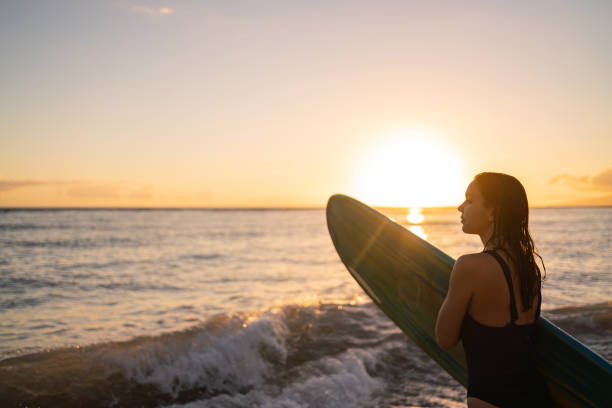
You paddle out, the morning sun glinting off the water, and you feel it. That buzz, that electric hum in your chest. You’re not just happy or excited. You’re stoked. This isn’t just a word; it’s the entire ethos of surfing condensed into a single, perfect term. It’s the feeling we’re all chasing, the reason we sacrifice sleep for dawn patrol and paddle through icy closeouts. And just like the sport itself, the language of surfing—the lingo—is a living, breathing thing that paints a picture of our world. It’s not about sounding cool; it’s about communicating the stoke in a language that gets it.
Let’s break down the basics, the phrases you’ll hear bobbing in the lineup or shouted from the shore. First, the conditions. It’s not just “big waves.“ When it’s firing or pumping, that’s when the ocean is delivering the goods—clean, powerful, rideable waves. If it’s flat or dirty, you might be better off waxing your board. A closeout is a wave that breaks all at once, offering no rideable face, a total bummer. But when you see a set—a group of larger waves—approaching, that’s when you get ready. You’ll hear someone call “Outside!“ meaning a bigger set is coming from beyond the normal break.
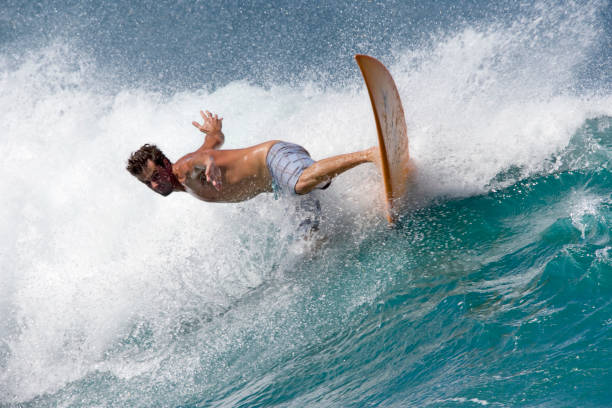
Now, the action. Dropping in is that committed moment you take off down the face. If someone drops in on you, they’ve taken off on a wave you’re already riding—a major breach of surf etiquette, a real kook move. A kook isn’t just a beginner; it’s someone who, through ignorance or arrogance, disrupts the vibe. We were all beginners once, but we listened and learned. When you’re riding, you might trim along the face for speed, or hit the lip—the top curling part of the wave—for a snap or a cutback. If you get pitched or eaten, you’ve been thrown by the wave, sent over the falls for a washing machine tumble. It happens. You just get back on your stick (your surfboard) and paddle back out.
The gear has its own poetry. Your quiver is your collection of boards for different conditions. A gun is for big, scary waves, a fish is for small, mushy days, and a log is a classic longboard for noseriding and smooth style. You don’t just put on a wetsuit; you suit up for a dawn patrol session before work. And after a long session, when your arms are noodles, you’re surfed out—happily exhausted.
But the real soul of surf lingo isn’t in describing objects or maneuvers; it’s in describing the vibe. Stoked is the kingpin, the ultimate prize. It’s post-session beers with your crew, telling stories about that one perfect wave. It’s the stoke you share when a grommet—a young surfer—catches their first green wave. It’s the dream of chasing the sun on a surf trip, living the endless summer fantasy, searching for an uncrowded peak that’s just going off.
This language connects us. It’s a shorthand for a shared experience, for understanding the difference between a good day and a glassy, epic one. It’s about respect—for the ocean, for the locals, and for the sheer, unadulterated joy of riding a wave. So next time you’re in the water, listen. Hear the calls, the laughter, the stoke. Because speaking surf isn’t about slang; it’s about speaking from the stoke that brought us all here in the first place. Now get out there. Hope it’s firing