Gnarly: Describing the Extreme

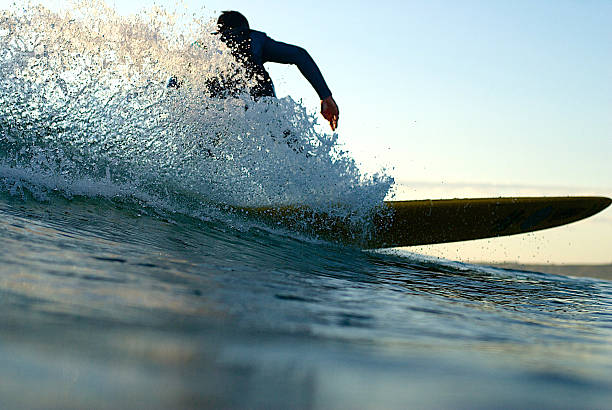
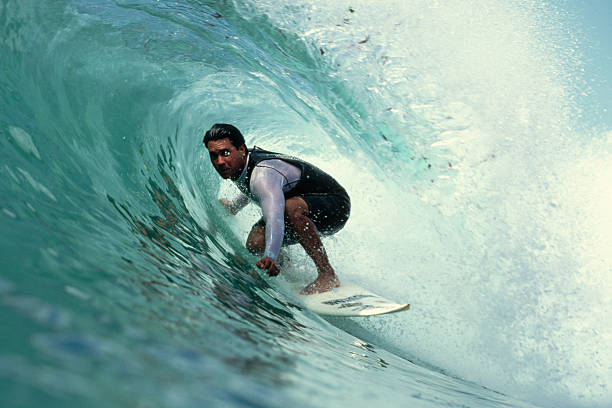
You’re sitting on your stick, looking at the horizon. The sets have been pumping all morning, but this one… this one is different. It doesn’t just roll in; it heaves itself out of the deep, throwing a thick, mean lip that seems to suck the light right out of the sky. Your buddy turns, a wild grin splitting his face, and he yells it over the roar: “That is absolutely GNARLY!” And you know, without a shadow of a doubt, exactly what he means. It’s not just big. It’s not just good. It’s something else entirely.

That’s the power of “gnarly.” In the lexicon of surf lingo, it’s a heavyweight champion, a word that carries the weight of the ocean itself. It’s the ultimate descriptor for the extreme, the intense, the beautifully terrifying heart of surfing. To call a wave gnarly is to pay it the highest respect. It means the wave is powerful, critical, maybe even a little dangerous. It’s throwing a cavernous barrel, it’s got a heaving double-up section, it’s the kind of wave that separates the weekend warriors from the watermen. Think Pipeline on a solid day. Think Teahupo’o standing up. That’s the textbook definition.

But here’s the beautiful thing about surf slang—it’s fluid, just like the water we ride. “Gnarly” isn’t a one-trick pony. Its meaning shifts with the context, the tone, the situation. Yeah, it describes the wave of the day, but it also describes the wipeout that follows. Eating it on a closeout, getting rag-dolled over the falls, getting held down for what feels like two lifetimes… you surface, gasping, and croak out, “That was gnarly.” It acknowledges the beatdown, respects the ocean’s power, and maybe even laughs at your own temporary defeat.

And the word doesn’t stop at the shoreline. It seeped out of the water and into the entire surf lifestyle decades ago. That’s because the life we chase is, by its very nature, a bit gnarly. It’s the dawn patrol mission in near-freezing water. It’s the road trip in a beat-up van held together by wax and hope, chasing a swell down the coast. It’s the localism you have to navigate at a secret spot. The callused hands, the reef scars, the salt-encrusted everything—it’s all part of the gnarly tapestry. A “gnarly” cut on your foot from a hidden rock isn’t just a cut; it’s a story, a badge of honor from a session you couldn’t resist.

So, when you hear it, listen to the delivery. Is it shouted with stoke, eyes wide at a perfect, pitching A-frame? That’s pure admiration. Is it muttered with a shaky laugh after a brutal hold-down? That’s survival. Is it used to describe the state of your board after a run-in with the rocks? That’s a casualty report.

In the end, “gnarly” is more than a word; it’s a measurement. It’s the scale we use for everything that pushes past normal, past fun, past even “epic,” into that raw, unfiltered zone where surfing becomes something more. It’s the edge where fear and stoke do a crazy dance together. It captures the essence of why we do this—not just for the easy cruisers, but for those moments that test us, that thrill us, that remind us we’re playing in a force of nature. It’s the commitment, the consequence, and the sheer, unadulterated power of the ocean, all wrapped up in two glorious syllables. So next time you see it, feel it, or survive it, you’ll know exactly what to call it. Just keep it in your back pocket for the right moment—the truly gnarly one.
Related Posts

Live Surf Cams

Surfline Live is a 24/7 glimpse into the world’s surf.

This stream moves through Surfline's global camera network, showing spots where it’s daylight and rated Fair or better.

What's The Deal With...?

Surf Lifestyle & Travel

What makes a wave a true world-class destination?

A world-class wave needs a perfect combo of power, shape, and consistency. Think heavy reef breaks with long, hollow barrels or epic point breaks that run for hundreds of meters. The vibe in the lineup and the surrounding culture are just as crucial. Spots like Pipeline, Jeffreys Bay, and Uluwatu are legendary not just for their gnarly walls of water, but for the soulful communities and pure stoke that surround them. It’s where the ocean’s raw energy meets surfing’s deepest spirit.

What’s the craic with Ireland’s surf scene, dude?

It’s pure magic, brah! Ireland’s west coast is a raw, powerful playground with consistent Atlantic swells. Think empty lineups, craggy headlands, and water that’ll wake you up better than a double espresso. The culture is all about the stoke—friendly locals in cosy coastal villages, warm pubs post-session, and a deep respect for the mighty ocean. It’s not about tropical perfection; it’s about adventure and scoring epic waves in some of Europe’s most stunning landscapes.

What’s the deal with California’s unique surf history and culture?

It’s the birthplace of modern surfing in the mainland U.S., brah! From the early wooden plank riders at Huntington to the 60s longboard revolution and the 70s shortboard explosion, Cali set the trends. It spawned brands, movies (Endless Summer!), and the whole shortboard performance ethos. The culture is a blend of innovation, rebellion, and a deep connection to the coast. You’re surfing on the shoulders of legends every time you paddle out.

The Surfing Life

What does a sustainable surf trip look like?

It’s about traveling light and leaving only tracks in the sand. Score flights with fewer connections if you can, and stay longer in one place to soak up the vibe. Support local economies by staying in family-run accommodations, eating at townie joints, and hiring local guides. Respect the spot—don’t crowd the locals, follow any cultural protocols, and never chase secret spots online. The ultimate score is a trip that gives back to the community that hosts you.

What foods should I avoid if I want to perform better in the surf?

Ditch the heavy, greasy foods that make you feel sluggish. Think fried stuff, giant burgers, or super-processed snacks right before you paddle out. They’re hard to digest and can weigh you down. Also, go easy on refined sugars and white bread—they give you a short energy spike followed by a major crash, which is the last thing you need when you’re trying to nail a late drop. Listen to your body; if something makes you feel slow and bloated on land, it’ll feel ten times worse in the water.

How important is hydration, and what should I drink besides water?

Hydration is everything, brah! Even a little dehydration makes paddling feel way harder and zaps your focus. Plain water is number one, but when you’re sweating in the sun for hours, you need electrolytes too. Coconut water is a natural winner, or you can add a pinch of sea salt and a squeeze of lemon to your water bottle. Avoid sugary sports drinks—they can cause a crash. Start hydrating the night before a big swell and keep sipping all day, even if you don’t feel thirsty.