Ripper: A Skilled Surfer

You hear it yelled from the beach, hooted from the shoulder, and dropped casually in surf shop conversations: “That guy’s a total ripper.“ In the lexicon of surfing, few terms carry as much weight or universal respect. Calling someone a ripper isn’t just a casual compliment; it’s an acknowledgment of a surfer who has graduated from simply riding waves to truly dominating them. It’s the ultimate badge of honor in the lineup.

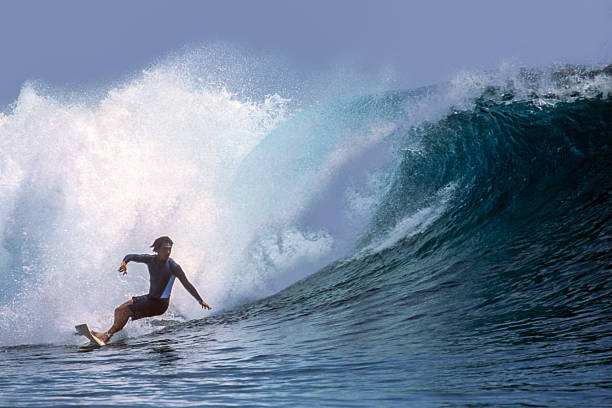
So, what exactly makes a ripper? It’s not just about catching waves. Any kook can luck into a set wave on a soft day. The ripper distinction is earned through a combination of power, style, and an almost intuitive connection with the ocean. A ripper attacks the wave with purpose. They don’t just go down the line; they tear it apart. Think explosive top-turns that send a spray of spit into the sky, critical snaps right in the pocket, and deep, committed carves that draw a line of whitewater up the face. They make the difficult look effortless and the impossible look like just another Tuesday.

The term itself is pure surf speak, born from the action it describes—to rip a wave apart. It’s about aggressive, high-performance surfing. You’ll see rippers in their element when the conditions get heavy. They’re the ones charging double-overhead barrels at Pipeline, threading through heaving sections at Teahupo’o, or finding speed where there seems to be none on a mushy day. They have a deep quiver of maneuvers and the confidence to pull them off under pressure. A ripper isn’t just reacting to the wave; they’re dictating the dance, pushing their equipment to the limit and often redefining what’s possible.

But here’s the crucial nuance: being a ripper isn’t just about aggression. Style is the silent partner to power. There are surfers who hack at the wave with frantic energy, and then there are rippers who flow with a potent, controlled grace. It’s the difference between noise and music. Think of the smooth, powerful arcs of a surfer like Mick Fanning or the innovative, explosive approach of John John Florence. They combine raw ability with an aesthetic that makes you want to watch. A true ripper’s style is their signature.

It’s also important to separate the local ripper from the pro ripper. Every break has its local ripper—the surfer who knows that particular reef or beach break like the back of their hand. They get the best waves, understand the secret currents, and surf it with a home-field advantage that is deeply respected. The pro ripper takes that mastery on a global scale, adapting their high-octane approach to any wave on the planet. Both command respect in their own arena.

In the end, the label “ripper” is bestowed by the community. It’s not something you can claim for yourself. It’s earned through years of dawn patrols, wipeouts, and moments of pure stoke. It’s seen in the way other surfers watch them when they paddle out, giving them a nod of respect and maybe a wider berth on the peak. So next time you’re on the beach and see a surfer linking turns with power and precision, driving through sections with undeniable speed, you know what to call them. Just don’t call them a kook. They’re a ripper, plain and simple, and they’re the ones setting the standard for what it means to really surf.
Related Posts

Live Surf Cams

Surfline Live is a 24/7 glimpse into the world’s surf.

This stream moves through Surfline's global camera network, showing spots where it’s daylight and rated Fair or better.

What's The Deal With...?

Surf Gear Essentials

Why do some boardshorts have no liner?

That’s the traditional style, brah! Linerless shorts, often from iconic brands, give you that authentic, free-feeling vibe. Many surfers prefer to wear their own compression shorts or briefs underneath for a custom fit. It lets you choose your own support level and makes drying out way faster. It’s a purist choice—less bulk, more flexibility, and a nod to the old-school way of doing things.

How do I choose the right leash length?

Go for a leash that’s roughly the same length as your board, maybe a touch longer for bigger, more powerful waves. A shortboard around 6ft needs a 6ft leash. If you’re charging overhead waves, adding 1-2 feet gives you more separation from your board during heavy wipeouts. Too long, and it becomes a tangly mess; too short, and it can snap or yank your board back at you. It’s about matching the leash to your wave energy and board size for a smooth, safe session.

Where’s the best spot to store my repair kit so it’s ready?

Keep it in a cool, dry place out of direct sunlight, like your garage or a closet. Sunlight can prematurely cure those UV resins right in the bottle! Your car’s glovebox or trunk gets way too hot and will ruin the chemicals. A small toolbox or a dedicated bucket under your house works perfect. Just make sure the lids are on tight. The goal is to have it ready to grab when you come in from a session with a fresh ding.

The Surfing Life

What makes dawn patrol so special, anyway?

Dawn patrol is pure magic. You’re scoring glassy, uncrowded waves with the sunrise as your backdrop. The morning offshore winds are usually perfect, holding the wave face smooth. It’s just you, your crew, and the ocean waking up. The stoke of an early session fuels your whole day, and you’re back on land before most people have had their coffee. It’s a quiet, personal connection with the sea that’s tough to beat. Paddling out in the dim light is a ritual that never gets old.

How do I really become part of the local lineup?

Respect is everything. Spend time observing: watch the peak, see who’s getting waves, and understand the vibe. Don’t just paddle straight to the peak. Wait your turn, don’t drop in, and acknowledge the locals with a nod. It’s about earning your place through patience and good etiquette. Show you care about the spot and the crew. A friendly attitude goes way further than hot-dogging. Think of it like being a guest in someone’s home.

Are there any specific foods that help with endurance in the lineup?

For marathon sessions, focus on complex carbs and healthy fats for sustained energy. Quinoa, brown rice, avocados, and nuts are your best friends. These foods break down slowly, giving you a steady drip of fuel instead of a quick spike and crash. Eating this way regularly builds a strong energy base, so you can handle a four-hour session when it’s firing. It’s like having a bigger gas tank—you can stay out longer, catch more waves, and still have juice for the paddle back to the peak.