Mushy: A Soft, Slow Wave

In the endless chatter of the lineup, you’ll hear all kinds of descriptions flying around. There’s “pumping,” “firing,” and “epic.” But then there’s the other end of the spectrum, a word delivered with a shrug and a knowing smile: mushy. It’s not an insult, not really. It’s just the honest truth about the conditions underfoot. Understanding this bit of surf lingo is key to managing expectations and, sometimes, finding a whole different kind of fun.

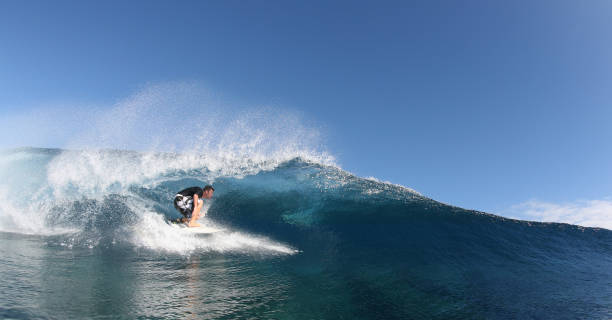
So, what exactly is mushy? Picture a wave that lacks punch. It doesn’t throw itself over with a hollow, pitching lip. Instead, it kind of lumbers in, a soft, rolling mound of water that’s more about gentle push than explosive power. The face is often fat and walled, without a clean, defined shoulder to race down. When you drop in, you don’t get that crisp, down-the-line drive. You have to pump, generate your own speed, and work with what the wave gives you, which often isn’t much. It’s the opposite of a hollow, barreling wave. That’s mush.

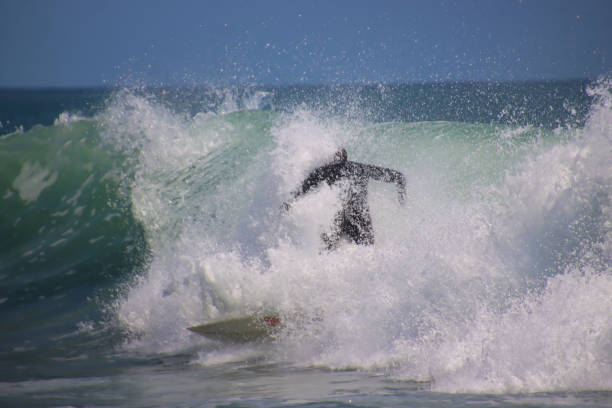
Mush typically happens on certain types of days. When the swell is small and the tide is a bit too high, waves can lose all their shape and just sort of flop over. Soft, sandy bottoms, as opposed to shallow reefs or point breaks, are classic mushmakers. The wave energy just gets absorbed and spread out, creating those slow, forgiving walls. Onshore winds are the usual culprit, too, chopping up the face and destroying any chance of a clean line. It’s the kind of day that makes shortboarders groan as they endlessly pump for a section that never really comes. Their high-performance sticks, built for speed and snap, just sink in the lack of power.

But here’s the thing: mushy isn’t always bad. It’s all about your equipment and your attitude. This is where the longboarders, the mid-length riders, and the funboard crew get their time to shine. A big, floaty board needs less wave power to get going. What feels like a dead, mushy wall to a guy on a potato chip is a perfect, crumbly canvas for a noserider. You can walk to the front, hang ten, and practice your cross-stepping without the fear of a pitching lip taking you out. For beginners, mushy waves are a gift. They’re slower, less intimidating, and more forgiving for practicing pop-ups and just getting a feel for the glide.

It’s a different approach to surfing. On a firing day, it’s all adrenaline and reaction. On a mushy day, it’s about patience, style, and making something out of not much. It’s trimming, finding little pockets of energy, and maybe pulling a slow, drawn-out turn. You learn to read the wave differently, looking for the slightest hint of a corner or a soft shoulder. It teaches you to generate speed from your own movements, a skill that pays off big time when you get back on a better wave.

So next time you paddle out and it’s not quite “epic,” don’t just write it off. Check the tide, feel the soft push, and acknowledge the truth with a laugh: “Yeah, it’s a bit mushy out here.” Then, adjust. Grab a bigger board, lower your expectations, and enjoy the mellow vibe. Because chasing the sun isn’t always about chasing perfection. Sometimes, it’s about enjoying the soft, slow waves just as much as the hollow ones. That’s the real endless summer—finding the stoke in all kinds of surf.
Related Posts

Live Surf Cams

Surfline Live is a 24/7 glimpse into the world’s surf.

This stream moves through Surfline's global camera network, showing spots where it’s daylight and rated Fair or better.

What's The Deal With...?

Surf Icons & Heroes

Can you still surf like Duke Kahanamoku?

You can totally chase that feeling! While we ride modern sticks, the essence remains: trimming down the line with style, feeling the wave’s energy, and just having a blast. To truly connect with his approach, try a heavy, traditional longboard or even attend a “beachboy” style clinic. It’s less about radical snaps and more about smooth, elegant noserides and soul-arches. It’s a timeless, graceful approach that reminds you surfing is, at its core, about the pure glide.

What board does Kelly Slater ride?

The man is a shaper’s dream and rides everything! He’s famously connected to Channel Islands, rocking models like the CI “Flyer” and the “Fred Rubble” for high-performance waves. But his quiver is deep. He’ll switch to a fish for smaller days, charge Pipe on a step-up gun, or even ride an alaia for the pure feel. His board choice is all about the conditions and his intuitive connection to the craft. He’s deeply involved in design, constantly tweaking rocker, foil, and fin setups to find that perfect blend of speed, drive, and responsiveness.

What does “Eddie Would Go” really mean?

It’s the ultimate call to courage in surfing culture. The phrase was born during the 1978 World Surfing Championships at Sunset Beach when conditions were massive and dangerous. Competitors were hesitant, but everyone knew Eddie would have already been out there. It transcends surfing now, meaning to step up when things get gnarly, to face fear with commitment, and to always have your crew’s back. It’s a mindset of pure, unwavering commitment to the challenge, no matter how heavy it gets.

Surf Culture & Community

How do surf conservation groups protect our breaks?

These groups are the guardians of the lineup. They fight against pollution by testing water quality and rallying against offshore drilling. They protect coastal access and fight poor development that ruins waves. Through advocacy, beach clean-ups, and legal action, they keep our spots healthy and accessible. By backing them, you’re helping defend the integrity of coastlines worldwide, ensuring future generations can still score uncrowded, pristine waves.

Can I really make a difference just by surfing?

Totally, dude! Every bit counts. Picking up trash on your way back from a session, choosing eco-friendly gear, or simply educating a grom about reef safety creates a ripple effect. When you join organized efforts, your presence adds numbers and energy, showing that surfers care. It’s about the collective vibe. Your conscious choices in and out of the water help shift the culture toward stewardship, ensuring there are always clean waves to ride.

What should I look for in a surf camp or guiding service?

Look for operations run by true locals who live and breathe their home break. A good guide isn’t just a coach; they’re your cultural ambassador. They’ll school you on the local vibe, introduce you to the crew, and get you on the right waves for your skill level. This kind of immersive experience can fast-track your connections in a new region, giving you a crew to paddle out with next time you’re back.