Surf Gear Essentials

Live Surf Cams

Surfline Live is a 24/7 glimpse into the world’s surf.

This stream moves through Surfline's global camera network, showing spots where it’s daylight and rated Fair or better.

What's The Deal With...?

Surf Lingo & Slang

What’s one piece of gear that’s totally worth the investment?

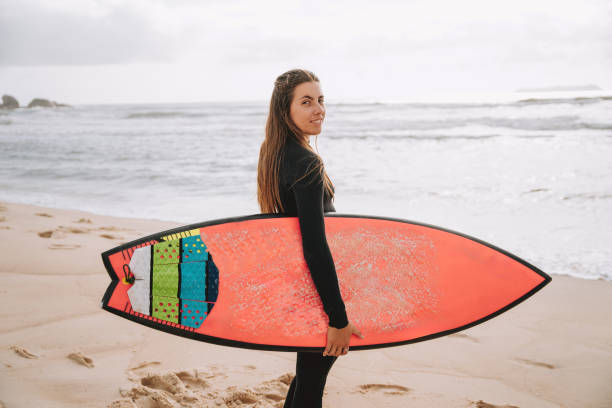
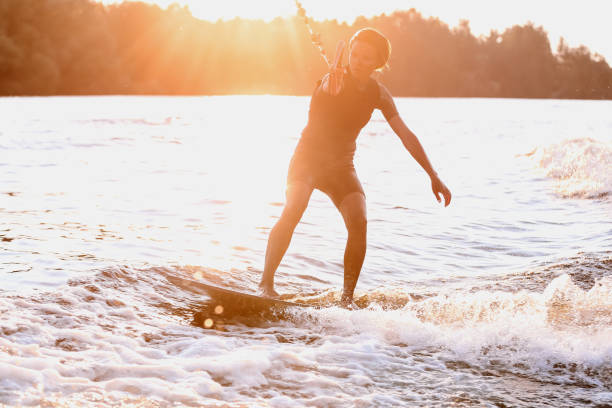
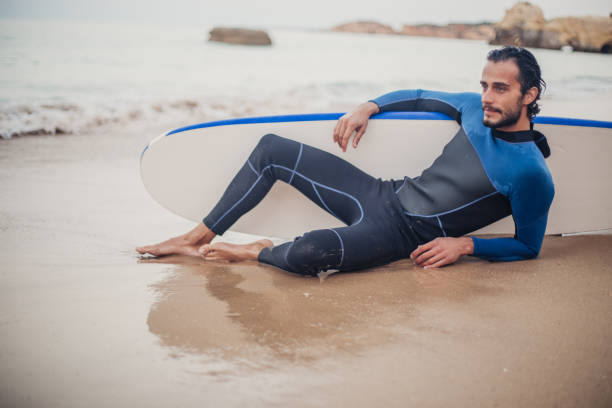
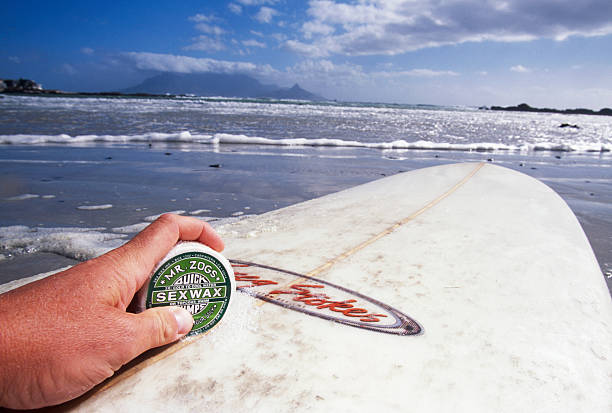
Beyond a good board, a quality, warm wetsuit is a game-changer. Being cold is a session-killer and totally unsafe. A proper suit that fits well—not too baggy, not too tight—lets you surf longer in more seasons. For warmer waters, invest in a good rash guard with UV protection. Your skin will thank you after a four-hour dawn patrol. Comfort in the water means more focus on surfing, not on shivering or chafing.

Why is understanding “swell direction” and “tide” so crucial?

Because they totally change a break. A spot that’s flat on a south swell might be firing on a west. The tide can make a wave hollow at low tide and mushy at high, or vice-versa. Knowing this combo lets you predict how your local spots will handle the incoming energy. It’s the key to scoring good waves instead of wasting a drive. It’s about being in the right place at the right time, dictated by Mother Ocean’s schedule.

What does “having a burner” mean for your mood?

Having a burner refers to an absolutely epic wave that you nailed—a ride that was so good it stays with you. That feeling fuels your mood for days. You’ll be replaying that section you smashed or that barrel you slipped into, and it keeps the stoke tank full. One burner can turn a whole week around. It’s the wave you’ll be telling stories about for seasons to come.

Mastering the Waves

What’s the difference between “onshore” and “offshore” wind?

Onshore winds blow from the ocean toward the land. They chop up the wave face, make it mushy, and can cause it to close out. It’s generally junk conditions. Offshore winds blow from the land out to sea. They hold the wave face up, smooth it out, and help create hollow barrels by pushing against the lip. A light offshore is the surfer’s best friend—it makes waves cleaner, sharper, and more powerful. Always check the wind direction before you paddle out!

Why is flexibility and mobility important in the lineup?

Surfing puts your body in funky positions. Flexibility prevents injuries from awkward wipeouts and allows for a fuller range of motion. Mobile hips and shoulders mean a deeper paddle, a more extended bottom turn, and the ability to tuck into a tight barrel. It’s the difference between feeling fluid or feeling stiff. Daily stretching, yoga, or a simple pre-surf dynamic warm-up will keep you loose and ready for whatever the ocean throws at you.

What makes a gun the right choice for big waves?

Guns are the big-wave chargers—narrow, pointed, and usually over 7 feet. They’re built for one thing: handling massive, fast-moving walls of water. The sharp nose pierces drops, the length provides control at high speed, and the rocker helps with late take-offs. You don’t ride this sled at your local beach break; you need it when it’s double overhead and pumping at spots like Pipeline or Mavericks.