Let’s talk about that little rectangle of sticky foam on the tail of your board. You know, the traction pad. To the kook, it might just look like a cool place to slap a brand logo. But to anyone who’s felt their back foot slip in a critical section, it’s an absolute game-changer. This isn’t about fashion; it’s about function. It’s about extra foot hold, plain and simple.
Back in the day, guys were just waxing the whole deck. And for a long time, that worked. But as surfing evolved and we started pushing harder, throwing more spray, and digging into tighter turns, we needed more from our equipment. The tail of your board is command central. It’s where you drive from, where you pivot, and where you plant for your hardest pushes. If your back foot isn’t locked in, you’re fighting your own board. Enter the traction pad, or deck grip. It started as a simple addition and has become as essential as the fins themselves for most surfers.
So, what’s the magic? A good traction pad gives you a consistent, ultra-grippy platform for your back foot. Unlike wax, which can get slick in hot water or get flattened out, the EVA foam and gritty surface of a pad provide a permanent, reliable grip. This does two huge things for your surfing. First, it gives you confidence. When you’re flying down the line and need to set your rail or stomp on the tail for a snap, you don’t think about your feet. They’re just there. That mental freedom lets you focus on the wave, not your footing.
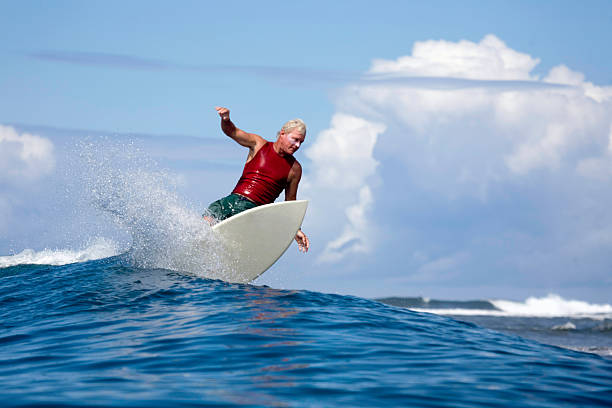
Second, and more importantly, it translates to power and precision. With your foot anchored, you can really drive through your turns. You can push against the pad with way more force than you ever could on wax without slipping. This means more spray, more speed generated out of turns, and more control in critical parts of the wave. When you’re going for an air, that solid platform is your launchpad. It’s the difference between a sketchy hop and a committed pop. For guys and girls riding shorter, more performance-oriented boards, it’s pretty much non-negotiable.
Now, not all pads are created equal. You’ve got your basic single-piece pads, which are classic and get the job done. Then you’ve got the multi-component pads with a kick tail—that raised bump at the back. This little feature is a secret weapon for modern surfing. It acts as a physical stop for your foot, letting you find the perfect placement for tail slides, airs, and deep carves without looking down. It’s like having a guide built right into your board. You’ll also find different arch bars for front-foot placement on bigger boards, but the tail pad is the core of the system.
Choosing one comes down to feel. Some are softer, some are firmer. Some have a more aggressive grit, others are a bit smoother. It’s a personal thing, like choosing your favorite wax. But the principle remains the same: connection.
In the end, surfing is about the feel of the wave under your feet and the board as an extension of your body. A traction pad tightens that connection. It removes a variable, turning a potential slip into a surefooted push. It’s a small piece of gear that makes a massive difference. So next time you’re prepping your stick, don’t just think of that pad as decoration. Think of it as your anchor, your launchpad, and your ticket to pushing your surfing that little bit harder. Because when the wave serves up a juicy section, the last thing you want to worry about is where your foot is. Just set it and shred.