Forget the flashy extras and the latest fads. Getting into the water and actually catching waves comes down to a few core pieces of gear. This isn’t about having the coolest logo on the beach; it’s about having the right tools for the job so you can focus on the stoke, not on your gear failing you. Whether you’re a fresh-faced grom or a salty dog, your essentials are the foundation of every session.
It all starts with your stick, your board. Choosing the right one is an art in itself, but the essential truth is this: it has to match your ability and the waves you’re chasing. A high-performance shortboard might look slick, but if you’re still finding your feet, you’ll have more success and more fun on a bigger, more forgiving board like a funboard or a longboard. Think of it as your vehicle. You wouldn’t take a Formula One car on a dirt road. Once you’ve got your board, you need to connect it to you. That’s where your leash comes in. This coiled umbilical cord is a non-negotiable piece of safety gear. It keeps your board from becoming a dangerous projectile for others in the lineup after a wipeout, and it saves you a long, exhausting swim back to shore. Get one that’s the right length for your board—roughly the same size as your stick—and check it regularly for wear. A snapped leash is a surefire way to ruin a session.
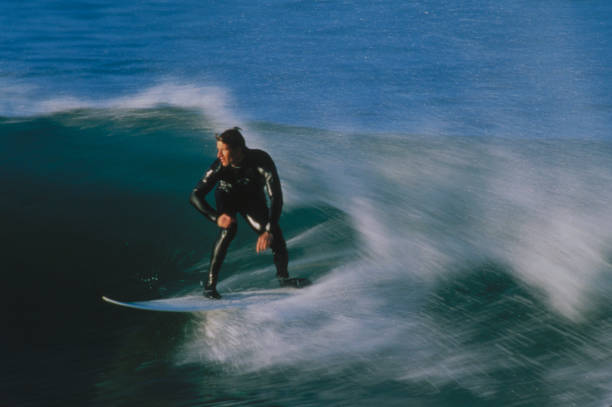
Next up is what keeps you warm and afloat: your wetsuit. Unless you’re blessed with year-round tropical water, this is your second skin. The thickness, measured in millimeters, is key. A 3/2mm full suit is a classic for cooler water, while a spring suit or just boardshorts and a rashguard will do for warmer climates. A good wetsuit should fit like a firm hug—too tight and you can’t breathe or paddle, too loose and it’ll flush with cold water constantly. And speaking of rashguards, don’t sleep on them, even in the tropics. They protect your torso from board rash during those long paddle sessions and from the sun, which is a relentless force when you’re out there chasing peaks.
Your connection to the board is through your feet, so wax is a fundamental. Rubbing a base coat and then a top coat appropriate for your water temperature creates the traction you need to pop up and stay on your board. No wax means slipping and sliding, and that means no rides. For a more permanent solution, traction pads are great, but a good old-fashioned wax job never fails. Finally, you need to get your board to the beach. A set of roof racks or a simple board bag for travel is crucial. Throwing your prized stick in the back of a truck or on top of a car without proper protection is a recipe for dings and heartbreak.
So, before you worry about the latest fin set-up or a high-tech GPS watch, dial in these fundamentals. A suitable board, a reliable leash, the right rubber for warmth, something to protect your skin, and the traction to stick to your craft. With this core quiver sorted, you’re free to focus on the important stuff: reading the swell, feeling the drop, and getting shacked. The rest is just details. Now go get wet.