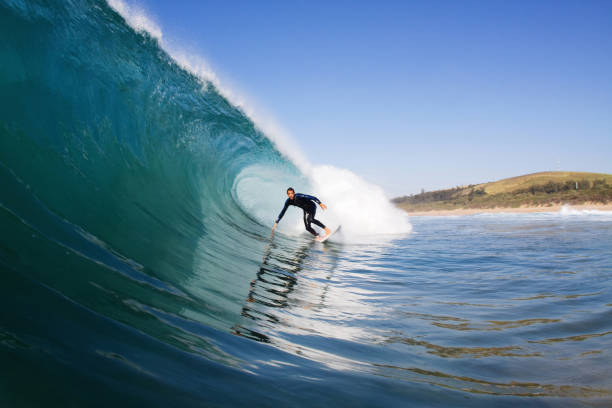
Let’s cut straight to the point: if you’re chasing waves beyond the tropics, a wetsuit isn’t just another piece of gear—it’s your passport. It’s the difference between a freezing, miserable paddle-out and scoring an empty, glassy dawn patrol with a smile on your face. This isn’t about being uncomfortable; it’s about extending your season, pushing your limits, and surfing more. Period.
Think of your suit as a functional second skin. Its job is simple: trap a thin layer of water between your body and the neoprene. Your body heat warms that layer, and the suit’s insulation keeps it there. The better the suit, the more efficiently it performs this magic trick. Forget being a hero in board shorts when it’s 12°C; that’s a one-way ticket to being a kook who lasts twenty minutes. Real surfers know that being warm means surfing longer, surfing better, and catching more waves.
So, let’s talk thickness. It’s measured in millimetres, usually something like 3/2 or 4/3. The first number is the thickness on your core (chest and back), the second is for the arms and legs, allowing for flexibility. A 2mm shorty or spring suit is for those balmy summer days when the water’s warm but you need a little sun protection or a breeze-block. The workhorse of the surfing world is the 3/2. This is your go-to for most three-season conditions in temperate climates—warm enough to keep the chill off, flexible enough to really paddle and pop up without feeling like the Tin Man.
When the mercury drops and you’re staring down proper winter swells, you step up to the 4/3. This is for cold water commitment. Add in booties, gloves, and a hood (often attached in a 5/4/3 “hooded” suit for the iciest dips), and you’re talking about serious armour against the elements. This setup unlocks frigid, empty lineups that the faint-hearted won’t touch. That’s where you find the real peace, and often, the best waves.
But thickness is only half the story. Construction is key. Seams are the weak point. Glued and blind-stitched (GBS) seams are solid for general use, but for maximum warmth, you want liquid-taped or sealed seams. This is where they weld the neoprene together, creating a barrier that flat-out refuses to let water seep in. It’s a game-changer in cold water. Then there’s the neoprene itself. Modern suits use lighter, more flexible, and warmer materials like Japanese limestone-based neoprene or even plant-based alternatives. They stretch like a dream, moving with you rather than against you.
Fit is non-negotiable. A wetsuit should be snug—like a firm hug—but never restrict your breathing or mobility. A baggy suit will flush constantly with cold water, making you miserable and defeating the entire purpose. It should be a mission to get on when it’s dry, but once you’re in and it settles, it should feel like an extension of you. Look for key features: a smooth-skin neckline to reduce flushing, reinforced knees for durability, and strategic panels that follow your body’s motion.
Ultimately, investing in a proper wetsuit for your local conditions is the single most important gear decision after your board. It’s the enabler. It’s what lets you dawn patrol in spring, session through the autumn offshore winds, and laugh in the face of a winter storm swell. It’s not just about surviving the cold; it’s about thriving in it. So suit up right, and get out there. The lineup is always warmer when you’re prepared.