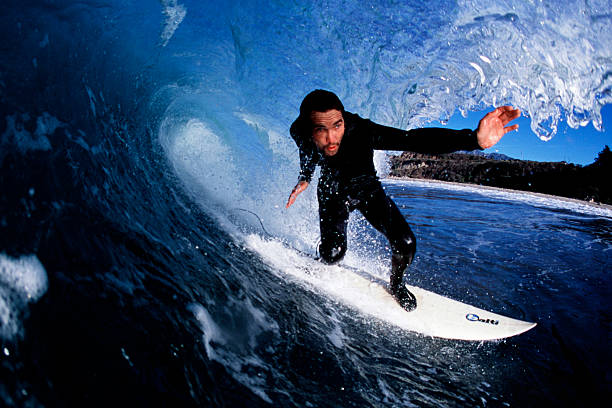
Let’s cut straight to the chase: a good wetsuit isn’t just gear; it’s your passport to more waves, more sessions, and more time in the brine. When the water turns crisp or downright icy, the right rubber is what stands between you and a miserable, shivering paddle-in. It’s about staying warm, sure, but also about moving freely so you can actually surf, not just bob around like a frozen seal. The game has changed from the stiff, restrictive neoprene of the old days. Today, it’s a battle of tech, fit, and feel among a handful of key players who get what surfers need.
At the absolute top of the food chain, you’ve got Rip Curl. Their Flashbomb and E-Bomb series are the gold standard for a reason. They pioneered the seamless, glued-and-blindstitched (GBS) construction that most brands now emulate, and their focus on flexibility in key zones like the shoulders and back is next-level. Sliding into a high-end Rip Curl suit feels like a second skin that just happens to be insanely toasty. They’re the go-to for surfers who want premium performance and are willing to pay for those extra hours in colder, gnarlier conditions.
Then there’s O’Neill, the OG. Jack O’Neill literally invented the wetsuit, so they’ve got heritage in their DNA. Their Psycho series is legendary, featuring their patented TechnoButter neoprene that’s stupidly stretchy. Where O’Neill often shines is in fit and durability. They build suits that can take a beating from reef, rock, and repeated dawn patrols. For many, the O’Neill fit—often a bit more anatomical through the chest and shoulders—is the one that just feels right straight out of the plastic bag.
Billabong and its sister brand Xcel are the other heavyweights. Billabong’s Furnace series uses clever graphite lining to trap heat, making them some of the warmest suits on the market without adding bulk. Xcel, however, is pure function. Started by a cold-water Oregon surfer, Xcel’s entire ethos is built around nailing the technical details for extreme conditions. Their Infiniti drylock systems and focus on keeping water flush and movement minimal are a godsend in places where the water is in the 40s (Fahrenheit). They’re the no-frills, mission-critical choice for serious cold-water warriors.
But the landscape isn’t just the big four. Vissla has stormed the scene with their 7 Seas suits, offering incredible value and high-performance features at a more accessible price point. They’re for the surfer who wants top-tier tech without the top-tier price tag. Patagonia plays in its own eco-conscious lane, using Yulex natural rubber and building suits meant to be repaired, not replaced. They’re an investment in both warmth and philosophy.
Choosing between them boils down to three things: your local break’s temperature, your body shape, and your wallet. A 3/2mm suit from any of these brands will handle most temperate climates, letting you shred through spring and fall. When winter hits, you’re looking at 4/3mm or thicker, with sealed seams, thermal linings, and often a hood. The fit is non-negotiable—it should be snug but not choke-you-out tight. Any bunching or gaps will let in the flush, and that’s a session-ender.
In the end, the best wetsuit brand is the one you forget you’re wearing. It’s the suit that lets you focus on the lineup, the drop, the turn—not on the cold. Whether you’re going with the flash of Rip Curl, the butter of O’Neill, the furnace of Billabong, or the grit of Xcel, you’re buying more than neoprene. You’re buying more dawn patrols, more evening glass-offs, and more time doing what we love: chasing that endless summer, one wave at a time. Now go get suited up.