Surf Gear & Brands

Live Surf Cams

Surfline Live is a 24/7 glimpse into the world’s surf.

This stream moves through Surfline's global camera network, showing spots where it’s daylight and rated Fair or better.

What's The Deal With...?

Surf Lingo & Slang

What’s the deal with offshore wind and why is it so good?

Offshore wind blows from the land out to sea, grooming the waves perfectly. It holds the lip of the wave up, creating those clean, hollow, and well-defined lines we all dream of. This smoothing effect makes for better, more predictable rides and is the gold standard for most surfing conditions. When you see palm trees bending toward the ocean, it’s a sure sign you’re in for a good session.

What’s the difference between “left” and “right”?

This simply tells you which way the wave is breaking and which direction you’ll ride. A “left” breaks from left to right from the perspective of the surfer riding it (your back is to the wave face). A “right” breaks from right to left. It’s all about your stance and the wave’s direction. Knowing your preferred direction (regular foot vs. goofy foot) helps you pick the peak that sets up your best ride. Some spots are famous for long, perfect lefts or grinding, hollow rights.

Why is understanding “swell direction” and “tide” so crucial?

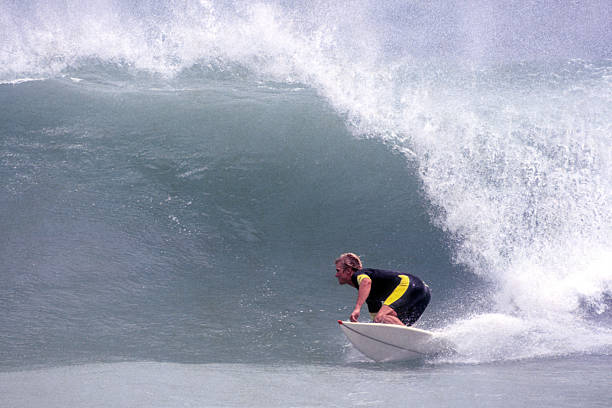
Because they totally change a break. A spot that’s flat on a south swell might be firing on a west. The tide can make a wave hollow at low tide and mushy at high, or vice-versa. Knowing this combo lets you predict how your local spots will handle the incoming energy. It’s the key to scoring good waves instead of wasting a drive. It’s about being in the right place at the right time, dictated by Mother Ocean’s schedule.

Surf Technique Deep Dive

Do skateboarding and snowboarding stances translate to surfing?

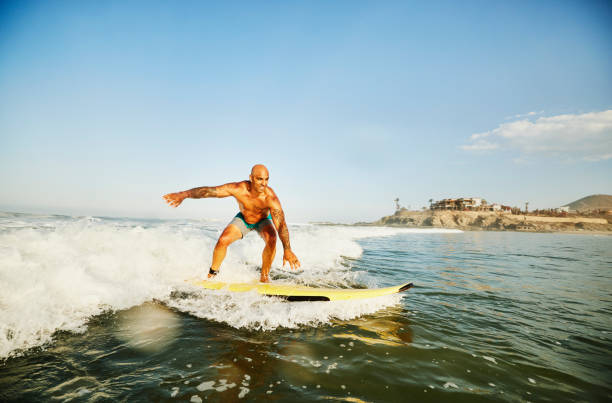
Usually, yes! Your stance tends to be consistent across all board sports. If you skate or snowboard regular, you’ll almost certainly surf regular. The muscle memory and balance are very similar. If you’re completely new to all board sports, surfing is the purest way to find your natural stance because the wave itself will tell you how you need to stand to balance and drive. It’s the original test.

Does my stance affect what board or fins I should get?

For the most part, no. Modern surfboards and fin setups are symmetrical, so they work identically for goofy and regular riders. The only time it matters is with specialized, asymmetrical boards (which are rare) or if you’re setting up a twin-fin with toe-in (angling the fins slightly forward). For 99% of surfers, you don’t need to think about it. Just grab a board that fits your skill level and local waves—it’ll work for your stance, promise.

What’s the difference between a grab and a floater?

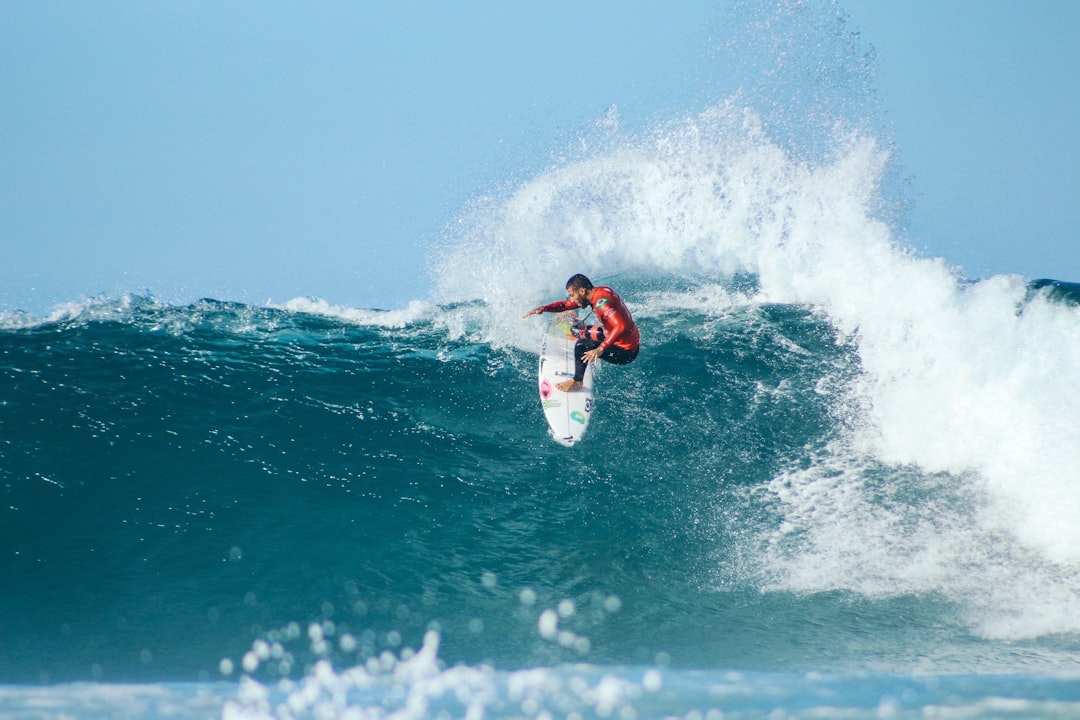
Totally different maneuvers! A floater is a wave-top move where you ride along the crumbling lip, staying in contact with the water. An aerial means you’re fully airborne, with the wave lip below you. Grabs—like an Indy or Slob—are things you do during an air to control your board and add style. You might grab rail to stabilize your rotation or tweak it out for extra points. Grabs are the punctuation on your aerial sentence.