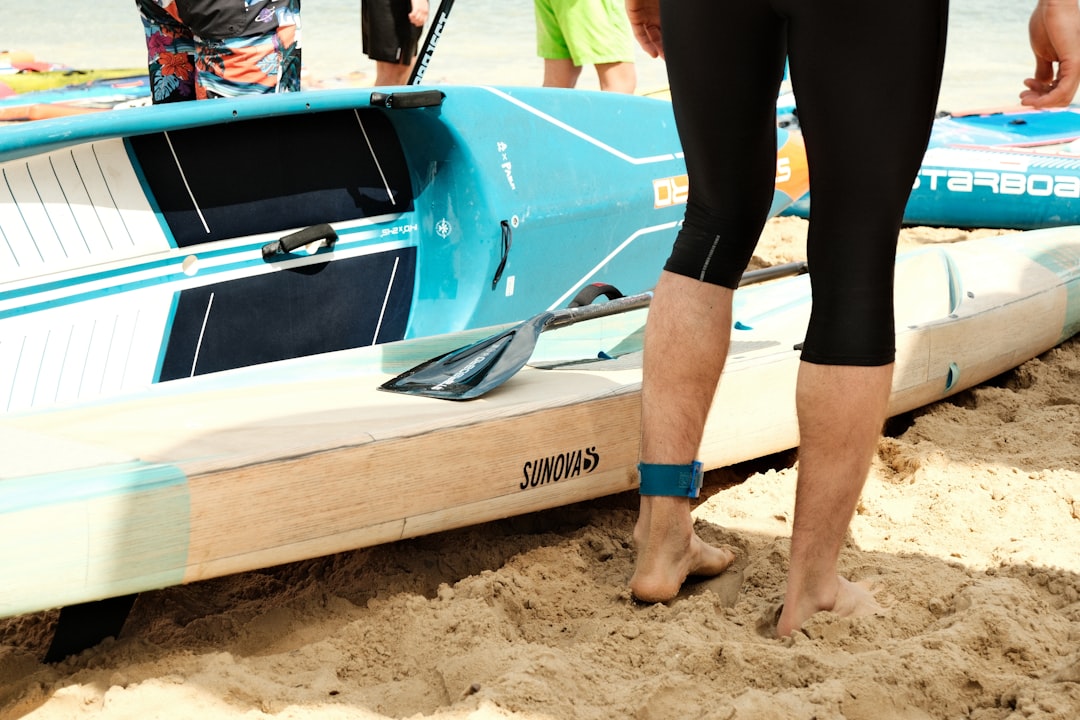
Every surfer knows the feeling of pulling up to a new stretch of coast, boards strapped to the roof, the smell of salt and diesel mixing in the tropical air. The pulse quickens as you scope the line from the headland and spot those perfect, peeling peaks. That’s the dream, the endless summer we all chase. But here’s the thing nobody tells you when you’re booking that flight to a remote island: the way you show up matters more than how you paddle. Responsible surf tourism isn’t just about riding waves without trashing the planet. It’s about sliding into a lineup with humility, respecting the culture that shaped the break, and leaving the place better than you found it. Because if we burn through these spots like a session on a novelty wave, there won’t be anything left for the next generation of groms.
When you paddle out at a break you’ve never surfed before, you are entering someone else’s living room. Every break has its own vibe, its own pecking order, its own set of unspoken rules that have been carved by decades of locals trading waves. The first thing to do? Sit wide, watch for a full set cycle, and keep your mouth shut. Don’t drop in on the first guy who looks friendly. Learn the rip, the rock hazards, the reaction when a set rolls through. Respect the locals. They’ve been out here through flat spells and shark sightings, pumping swells and the doldrums. They know the wave better than you ever will after a two-week trip. So give way when you should, smile when you’re in the wrong, and never act like you own the ocean. That kind of entitlement is what turns a mellow lineup into a tense standoff. A simple “mahalo” or “terima kasih” goes a long way. When you earn respect, you get invited back. When you act like a kook, you burn the spot for every traveler who follows.
But responsible travel goes well beyond etiquette in the water. It’s about where your money lands. All too often, surf tourism funnels cash straight into foreign-owned resorts and chain hotels that barely employ local people. That dollar never reaches the fisherman who fixes his nets next to the surf break or the auntie who runs a small warung selling fresh nasi goreng. The real impact happens when you choose locally operated surf camps, hire local guides who know every sandbar shift, and eat at the family-run joints off the main drag. Buy a hand-shaped board from a local shaper instead of bringing a quiver of five. When you support the community directly, you create a relationship that outlasts any swell. Locals become your friends, not your landlords. And if you’ve got old gear back home that’s gathering dust, give it away. A beat-up wetsuit or a thruster with a few pressure dings can be a treasure for a grom who’s been riding a rotten foamie. That act of generosity ripples through the village.
Then there’s the environment. Surfing is our excuse to live in the ocean, yet the travel industry often poisons the very water we worship. Sunscreen is a big one—oxybenzone and octinoxate are notorious for bleaching coral reefs. Swap in a reef-safe zinc that won’t leave a toxic slick. Carry a reusable bottle and refuse single-use plastics. It’s shocking how many pristine beachbreaks are littered with straws, bottle caps, and broken leashes. Pack out everything you pack in, and if you see trash on the sand, pick it up. It’s not just about being a good human; it’s about protecting the ecosystems that generate the waves. Coral reefs create the reef breaks we love. Mangroves protect coastlines and nurseries for fish. Every little bit of stewardship keeps the ocean healthy and pumping.
Carbon footprint is the elephant in the room. Flying to Indo or the South Pacific burns through a massive chunk of your personal emissions. Nobody is saying stop traveling—the stoke of exploring new coasts is part of surfing’s soul. But you can offset that flight by donating to a local tree-planting project near your destination or a coral restoration nonprofit. Choose airlines or travel companies that offer carbon offsets. Once you’re there, travel light. One board, maybe two, instead of a full quiver. Every kilo of baggage burns more fuel. Renting a board from a local shaper reduces your footprint and keeps money in the community. It’s a win-win.
Finally, remember that surfing is steeped in cultural and spiritual meaning. In Polynesian traditions, the ocean is not a playground—it’s an ancestor, a provider, a god. Many breaks are considered sacred sites. Approach each wave with reverence. Learn a few phrases in the local language. Ask about the history of the place. Don’t just snap photos and run. Sit and listen. The endless summer is not about conquering every perfect wave. It’s about the journey, the connections, and the deep respect for the water that gives us so much joy. Paddle out with an open heart, leave the lineup better than you found it, and the stoke will follow you home.