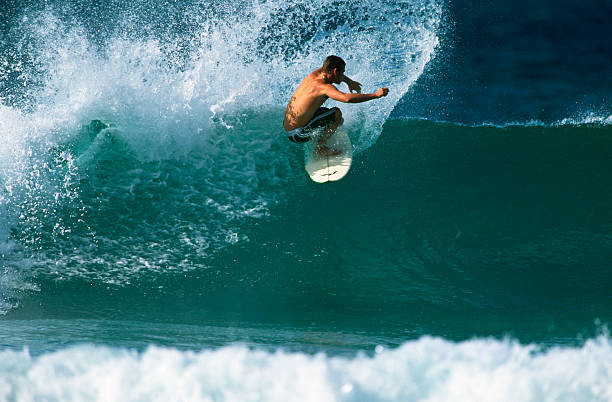
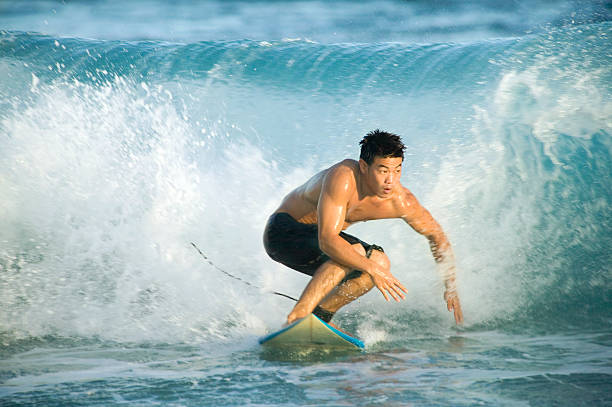
You paddle out on a glassy morning, the offshore breeze keeping the faces clean and the sun just cresting the horizon. The lineup is friendly, the sets are rolling in steady, and for a moment, everything feels right with the world. But beneath that shimmering surface, the ocean is always speaking, and if you don’t understand its language, a peaceful session can turn into a fight for the beach real quick. The most common reason a surfer gets into trouble isn’t a gnarly closeout or a sneaker set from the outside. It’s the rip current. And learning to read, respect, and even use the rip is one of the most foundational pieces of wave-riding wisdom you can ever pack into your quiver.
Most landlubbers hear the word rip and picture a violent underwater river yanking people out to sea, a monster waiting to swallow you whole. The reality is far less dramatic but far more important to understand. A rip current is simply water seeking the path of least resistance back out through the break. When waves roll in, they push a massive amount of water over the sandbars and onto the beach. That water has to return to the ocean somehow, and it finds the deepest, most consistent channels to do it. These channels are the rips. They are not pulling you under, they are pulling you out. And for a surfer who knows what they are doing, a rip can be your best friend in the lineup.
Before you ever paddle out, take sixty seconds from the sand. Look for the dark patches of water between the whitewash. Those dark, smooth-looking lanes are often the rips. You might see foam or debris floating steadily seaward, or a telltale line of choppy, confused water where the rip meets the incoming swell. The sand will sometimes look different too, with a darker streak of deeper water cutting through the shallows. Spend a few minutes watching where the waves are breaking hardest, because the rip is usually right next to that heaviest section. The waves are dumping their energy on the shallow sandbar, and the water is rushing back through the deep cut beside it. This is not secret knowledge passed down from old Hawaiian legends, it is the basic physics of a dynamic shoreline, and every surfer worth their salt learns to read these signs.
Now, here is the part that separates the scared beginner from the stoked local. A rip current, when used correctly, is a free ride to the outside. Instead of fighting against it, you simply hop in. You walk down the beach to the dark channel, wade in, and let the current float you past the shore break with zero effort. You conserve your energy for catching waves instead of burning your shoulders on a paddle battle through foamy mess. This is one of the oldest tricks in the book, and it is how the experienced crew gets out to the lineup without breaking a sweat while the groms are getting pounded on the inside. The rip is not your enemy, it is the ocean’s conveyor belt to the takeoff zone. You just have to know when to ride it and when to kick out of it.
The trouble starts when a surfer panics. Say you get caught in a strong rip on a big day. The beach is getting smaller, the shore is further away, and the natural instinct is to paddle directly against the current, straight for the sand. That is a losing battle. The rip can move faster than an Olympic swimmer, and you will exhaust yourself, swallow water, and invite fear into your mind. The correct move is to paddle parallel to the beach, across the rip, not against it. Most rips are narrow, maybe twenty or thirty feet wide. Paddle sideways for a minute or two and you will hit the breaking waves again, where the water is pushing in, not pulling out. Then you can ride those whitewater bumps straight to the beach. Or, if you have the energy, you can just float. Let the rip take you out to the backline, where the waves are smaller and the current dissipates. Then you wave your arm lazily and wait for a lifeguard or a buddy to paddle over. The key is to stay calm. The rip is not dragging you to Japan. It is just a river in the sea, and rivers have banks.
Understanding rips is not just about survival, it is about becoming a more intuitive surfer. When you know why the water moves the way it does, you stop fearing the ocean and start dancing with it. You learn to time your paddle outs, choose your entry points, and position yourself for the best waves. The surfer who respects the rip never fights the ocean. They read the surface, they feel the pulse, and they flow with the current. That is the heart of safety in the lineup. You do not have to be the strongest paddler or the most radical ripper. You just have to be the smartest one in the water. And that starts with a little piece of knowledge that every beach break has a story to tell, written in dark water and drifting foam.