Surf Technique Deep Dive

Live Surf Cams

Surfline Live is a 24/7 glimpse into the world’s surf.

This stream moves through Surfline's global camera network, showing spots where it’s daylight and rated Fair or better.

What's The Deal With...?

Surf Lifestyle & Travel

What makes Hawaii the ultimate surfing proving ground?

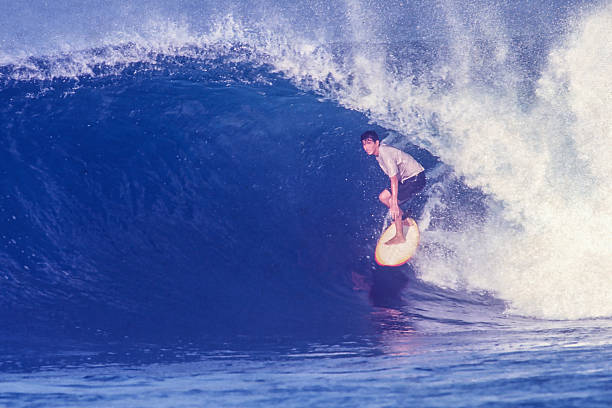
Dude, it’s the birthplace of modern surfing! These aren’t just waves; they’re liquid mountains with serious mana (spiritual power). Spots like Pipeline, Waimea Bay, and Jaws demand total respect. The power here is raw, the reef is shallow, and the consequences are real. To ride here is to test your skill, courage, and understanding of the ocean against the very best. It’s not just about surfing; it’s about honoring the tradition and proving you belong in the lineup with the legends.

What gear should I bring for a J-Bay mission?

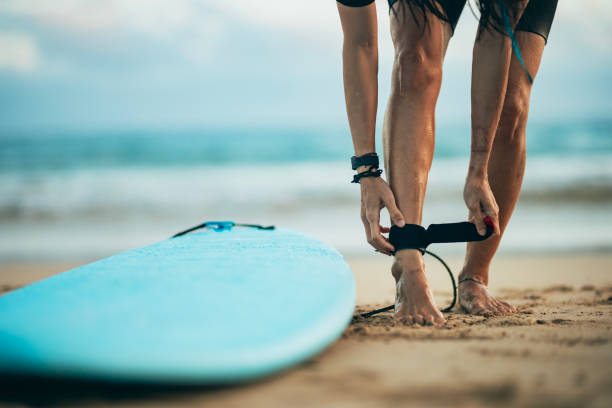
Bring your good boards. You’ll want a high-performance shortboard for those clean, down-the-line walls—think a round-tail or squash tail for drive and flow. A step-up for bigger, heavier days is smart. Don’t forget a quality 3/2mm or 4/3mm wetsuit, even in summer; the Benguela Current keeps things chilly. Booties can help on the rocky point. And pack a solid leash; you do not want a board snap in the middle of a long, pumping ride.

How do I respectfully score waves in a crowded, famous lineup?

Patience and observation are everything. Sit wide and earn your turn by catching a few on the shoulder first. Never drop in, always communicate, and give respect to the locals who surf there daily. A simple nod or “hey mate” goes a long way. If you get a gift from the peak, don’t blow it—make the wave. Show you’re there for the stoke, not just to burn everyone. Good vibes in the lineup often lead to more waves.

Surf Lingo Explained

What should I know before a major surf trip?

Research beyond the famous spots. Understand the season, swell direction, and tide for your destination. Pack a solid first-aid kit and know how to use it. Bring a versatile board or two, but also consider renting or buying a local sled. Respect the culture you’re visiting—you’re a guest in their ocean. And be flexible; the best sessions often come when you least expect them.

What’s a grommet, or grom, exactly?

A grommet, almost always shortened to “grom,“ is a young, frothing surfer. Think of ’em as the grommets (little rings) that hold a surfboard together—they’re the future of the lineup! These kids live for dawn patrol, have more energy than a hurricane swell, and are usually found shredding the inside section or the shorebreak. They’re learning the ropes, showing mad progression, and bringing pure stoke to the beach. Respect the groms; they’re the next generation charging bigger waves and pushing the sport.

How do I move from just catching whitewater to riding the open face?

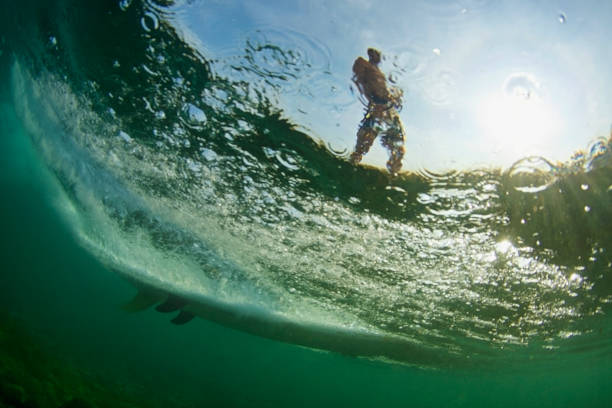
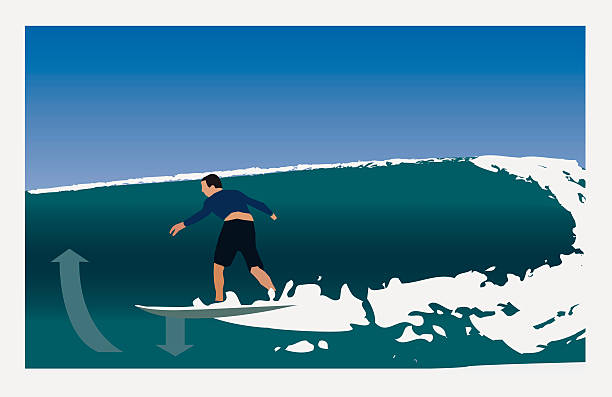
You gotta graduate to the green room, mate! The key is paddling out back and learning to catch an unbroken wave. Start on a mellow, rolling peak—not a steep, hollow beast. Focus on angling your take-off across the wall, not just straight toward the beach. This sets your line for a proper trim. Get comfortable shifting your weight from your front foot to your back foot to control your speed on the open face. It’s all about that first bottom turn to set up the rest of your ride. Practice makes permanent!