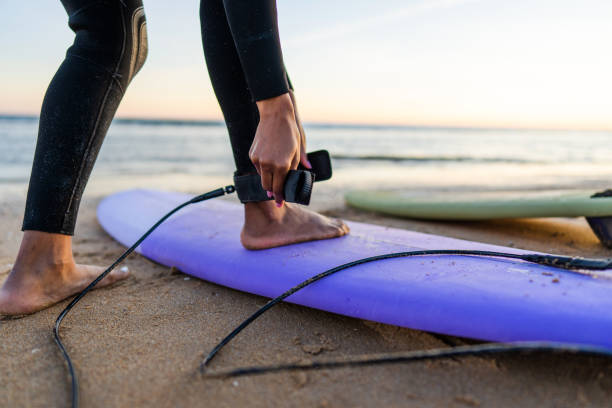
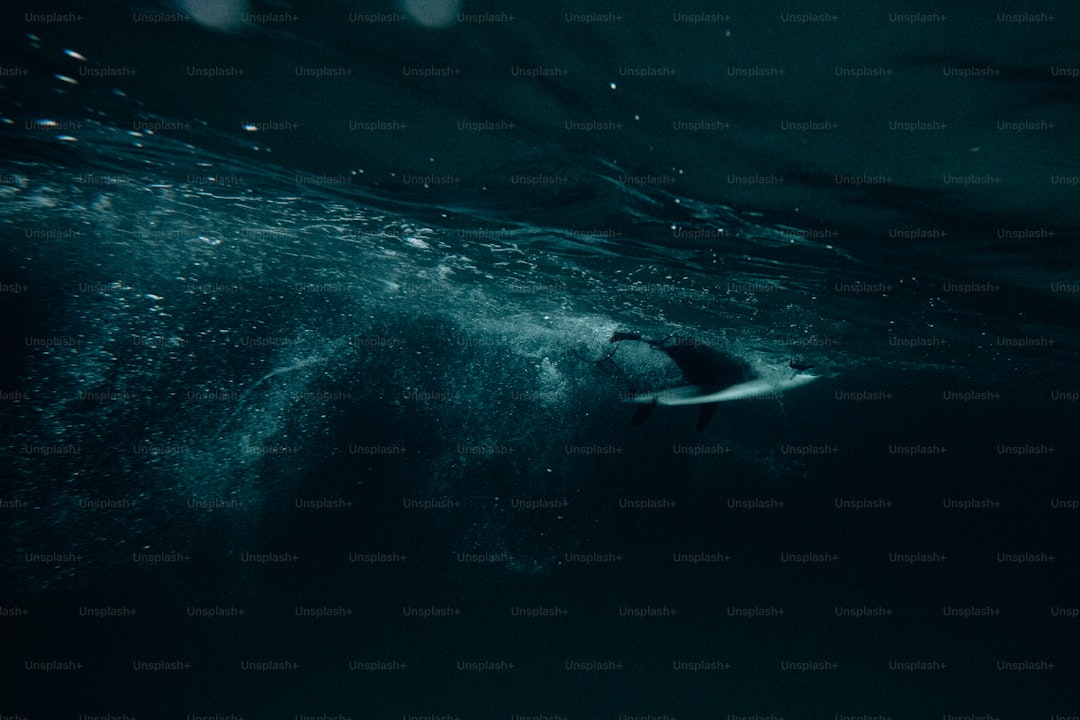
There is a moment that separates the weekend warrior from the soul surfer, and it happens not when the wave is under your feet, but when the ocean goes flat. Most beginners paddle out, see a flat spell, and start jockeying for position like it is a last call. They kick, they scratch, they burn what little energy they have chasing the horizon. But the salt-creased surfers, the ones who have been doing this long enough to have calluses on their soul, they know something the others do not. The lull is not the enemy. The lull is a gift. Understanding the rhythm of the wave sets, the breathing patterns of the ocean, is the single most underrated skill in the entire surfing technique deep dive.
You see, the ocean does not just slosh around random. It pulses. A groundswell from a thousand miles away travels in trains, in groups of waves that roll in with a certain cadence. The set comes, maybe three waves, maybe five, maybe a bomb set of seven that rearranges the lineup. Then it stops. The sea goes glassy, almost apologetic. This is the window. This is your time to move. The guy who panics and tries to fight every ripple will find himself pinned on the inside, exhausted, getting worked by the cleanup set. The surfer who reads the lull, who sits calm and watches the horizon for the dark line, the subtle color change that signals the next pulse, that surfer paddles out with economy. That surfer arrives at the peak fresh, with arms that still have a pop, ready to take the drop on the wave of the day.
The key is to stop looking at the wave in front of you and start looking through it. You have to expand your vision. When you are sitting on your board, do not stare at the whitewater. Stare at the deep water. Watch the way the horizon lifts and falls. A set is announced before it ever breaks. The water will suck back, pulling off the reef or the sandbar, exposing a deeper trough. You might feel a slight rise, a lift under your board, as the first wave of the set passes beneath you. Most beginners miss this. They are too busy looking at the shore, worrying about the drop, worrying about the crowd. The veteran surfer feels the ocean breathe and knows exactly where to be.
This is where the true style of surfing meets the survival instinct. Paddling out is not about heroics. It is about reading the set intervals. If you get caught inside, which is going to happen no matter how good you are, do not just turtle roll and hope for the best. Let the first wave of the set pass. You will lose your board, you will hold your breath, you will taste the salt. But here is the move. You will know, because of the lull, how many waves are left in that train. If it is a three-wave set, you get pounded by number one. You surface, gasping. Number two is already pitching. So you take the breath early and go deep. Let number two pass over you. Number three is the one you have to be smart about. If you panic and try to paddle over the lip of number three, you will get ragdolled into the reef. Instead, you wait. You let it break on the outside, and you use the deep water that follows to scramble out the back. The lull between sets is your express ticket to the peak.
The endless summer surfer does not fight the ocean. They dance with its rhythm. They know that wave set awareness is not just about catching waves. It is about conservation of energy, about reading the ocean as a living, breathing creature with a heartbeat. The next time you paddle out, sit for ten minutes without trying to catch a single wave. Just watch. Count the seconds between the last wave of a set and the first wave of the next set. Feel the pulse. The ocean will tell you exactly where to be and when to move. All you have to do is shut up, listen, and paddle smart.