Surfboard Evolution

Live Surf Cams

Surfline Live is a 24/7 glimpse into the world’s surf.

This stream moves through Surfline's global camera network, showing spots where it’s daylight and rated Fair or better.

What's The Deal With...?

Surf Lingo & Slang

Are there “all-tide” surf spots?

Yeah, but they’re rare gems. Most spots have a sweet spot tide. However, some reef or point breaks with a very deep-water approach can work on a wider range of tides because the swell isn’t as affected by the rising water level. A big, powerful beach break on a solid swell might also work through more tides as the energy just plows through. But generally, you’ll find most spots have a 2-3 hour window where they’re truly firing. Part of the chase is syncing your watch with the ocean’s clock.

What does “having a burner” mean for your mood?

Having a burner refers to an absolutely epic wave that you nailed—a ride that was so good it stays with you. That feeling fuels your mood for days. You’ll be replaying that section you smashed or that barrel you slipped into, and it keeps the stoke tank full. One burner can turn a whole week around. It’s the wave you’ll be telling stories about for seasons to come.

What’s “reading the lineup” and how do I get better at it?

Reading the lineup is like understanding a live, moving map. It’s spotting where the waves are consistently breaking (the peak), watching other surfers’ patterns, and noticing currents. Sit on your board for a few minutes before charging out. Watch where sets come in, identify the main peak and quieter channels. This knowledge stops you from wasting energy and gets you in the right spot for the good ones. It’s the ultimate local knowledge hack.

Surf Gear Essentials

What’s the deal with different surfboard shapes, dude?

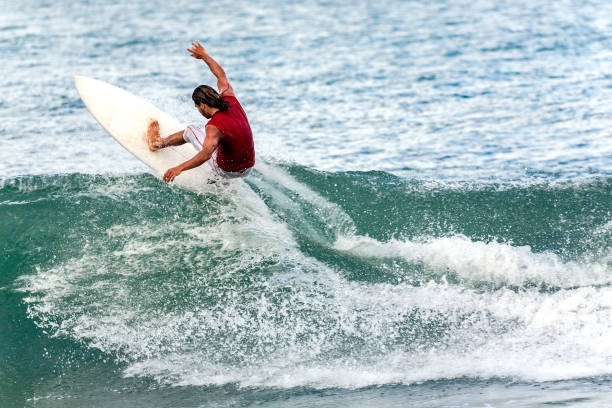
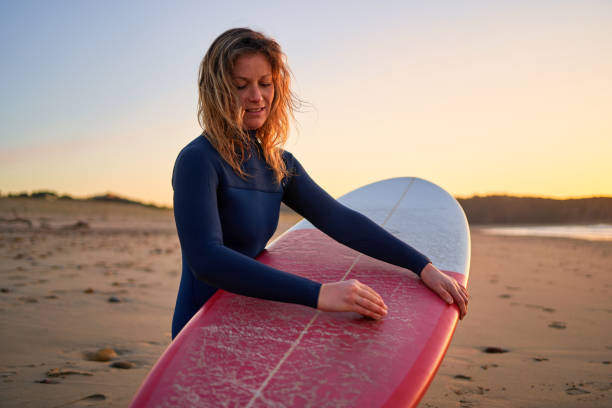
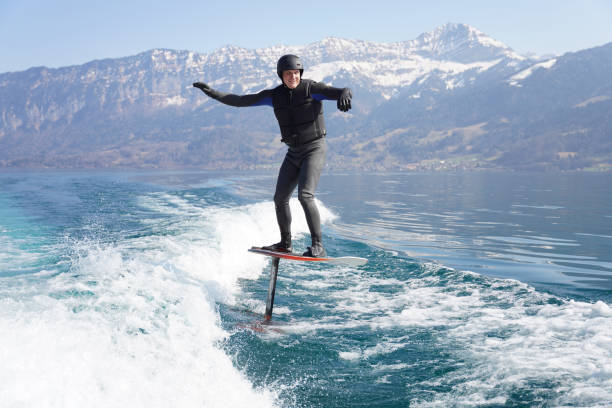
It’s all about matching your craft to the wave and your vibe. Shortboards are for ripping and sharp turns. Longboards are for classic style, nose rides, and smaller days. Funboards are the perfect hybrid for progression. Fish shapes provide insane speed in weak surf. Think of it like your quiver: you need different sticks for different conditions. Choosing the right shape is key to unlocking more fun in the water and taking your performance to the next level.

What’s the deal with different boardies brands?

Each brand has its own flavor, bro. Some focus on hyper-performance tech for the competitive ripper, using crazy-advanced materials and minimal designs. Others are all about bold, artistic prints that reflect surf culture and lifestyle. Then you’ve got the heritage brands that have been in the game for decades, offering timeless styles. It’s about finding what matches your vibe in and out of the water.

Where’s the proper spot to stick a traction pad on the tail?

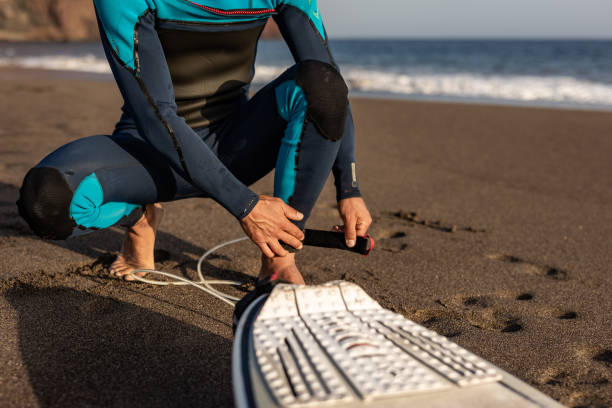
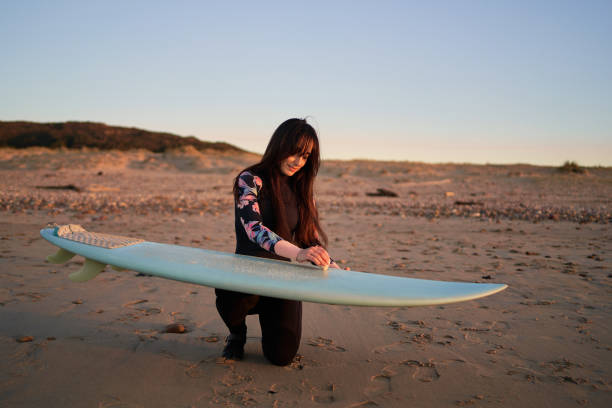
Placement is everything, bro. Generally, you want the kicker (the raised arch bar) to sit right under the ball of your back foot when you’re in your typical surfing stance. For most, this means the pad’s front edge is roughly a hand’s width from the board’s tail. Center it left-to-right. A good tip: get in your stance on dry land and mark where your foot falls. You want a seamless transition from the deck grip to the pad.