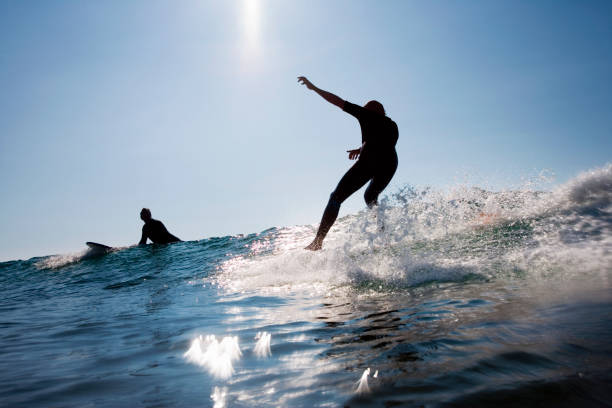
Let’s be real. Walk into any surf shop or glance down the line-up, and you’ll see a sea of sameness. The modern shortboard, that pointy-nosed, three-fin “thruster,“ is the undisputed king. It’s a high-performance marvel, no doubt, built for ripping, carving, and attacking the lip. But what if you’re not trying to be the next John John Florence? What if your goal is simply to feel the glide, connect with the wave in a different way, and maybe, just maybe, have the most fun you’ve ever had on a surfboard? Then, my friend, it’s time to talk about alternative shapes.
We’re talking about the weird, the wonderful, the flat-out fun boards that harken back to surfing’s soulful roots while offering a fresh take on today’s waves. These aren’t novelty items; they’re tools for a different kind of stoke. The term “alternative” covers a vast and beautiful spectrum, from retro single-fins to fish, eggs, mid-lengths, and asymmetrical designs. Each one offers a unique key to unlocking a different feeling on the water.
Take the fish. Born in the 1970s from shapers like Steve Lis, this was the original alternative performance shape. Wide, flat, and typically sporting a split tail (or “swallow tail”), the fish is a speed machine. It’s designed to generate momentum in weaker, mushier waves—the kind of conditions that make your standard shortboard feel like a lead weight. The fish gets up and planes instantly, offering a skatey, fast, and loose feel that’s pure joy. It’s a reminder that surfing isn’t just about vertical snaps; it’s about flow.
Then there’s the resurgence of the single-fin. Riding a single-fin is like taking a masterclass in wave reading and rail work. Without the drive and pivot of side fins, you have to use your whole body. You learn to set a line, engage the rail, and use the wave’s energy, not just your own aggression. The feeling is pure and drawn-out, a soulful glide that connects you directly to the first surfers who rode these waves. On a good day, on a clean wall, a single-fin offers a timeless, elegant ride that’s hard to beat.
But the fun doesn’t stop in the past. Modern shapers are constantly pushing boundaries with new twists on old ideas. Enter the mid-length, often called the “funboard” for a very good reason. Sitting between a longboard and a shortboard (think 7’ to 8’6”), it’s the ultimate “one-board quiver” for many. It paddles like a dream, catches waves early, and offers a blend of stability and maneuverability that can make an average surfer feel like a hero. It’s the board you grab when you just want to get wet and score waves, no matter the conditions.
And for the truly adventurous, there are shapes that break the mold entirely. Asymmetrical boards, with different rail curves on the heel and toe side, are designed to mimic the natural stance of a surfer. Bonzers, with their unique three-fin setup (a single fin with two smaller side fins), offer a mind-bending blend of hold and release. These boards aren’t for everyone, but for those who try them, they can unlock sensations they never knew were possible.
So why ride an alternative shape? Because surfing is about variety. It’s about expression. Chasing only high-performance can put you in a box, constantly waiting for the “perfect” wave. A quiver with a few fun shapes opens up the ocean. That knee-high day becomes a fish day. The soft summer afternoon is perfect for a single-fin trim. The crowded weekend dawn patrol is a breeze on a mid-length.
In the end, it’s all about the feeling. It’s about smiling so hard your face hurts after a session, not because you landed the biggest air, but because you felt the soul of the glide. So next time you’re thinking about a new board, look past the rack of thrusters. Step into the weird section. Pick up that wide-nosed egg or that vintage-looking twinny. Your wave count—and your stoke level—might just thank you.