All Articles

Live Surf Cams

Surfline Live is a 24/7 glimpse into the world’s surf.

This stream moves through Surfline’s global camera network, showing spots where it’s daylight and rated Fair or better.

What’s The Deal With…?

Surf Culture & Community

For sure, brah! Start with Dick Dale’s “Surfer’s Choice” – it’s the raw, pounding foundation. The Ventures’ “Play Telstar, The Lonely Bull” is instrumental perfection for a coastal cruise. The Beach Boys’ “Surfin’ U.S.A.” is the sunny, vocal side of the dream. For a modern twist, try bands like The Growlers or Allah-Las for that garagey, coastal vibe. Throw any of these on and you’ll instantly feel the salt in the air.

It starts with observation. Sit and watch for a while—see who’s out, where the take-off zone is, and how the locals flow. Don’t just paddle straight to the peak. Give respect to get respect. A friendly nod goes a long way. Follow the lineup hierarchy, don’t drop in, and be humble. You’re a guest in their lineup. Showing that you understand the vibe is the key to scoring good waves and maybe even making a few new friends in the water.

It’s all about the “alternative renaissance,“ bro! Surfers are digging into the past and getting creative. Think eggs, twins, asymmetricals, and even the return of the longboard single fin. These shapes aren’t for mega-air; they’re about soul, flow, and connecting with the wave’s energy in a new way. It’s a reaction to the high-performance cookie-cutter shortboard, offering a more playful, stylish, and often more forgiving ride in less-than-perfect waves.

Surfboard Evolution

It wasn’t just a sport; it was woven into their social and spiritual fabric, man. Chiefs used surfing to display skill and mana (spiritual power). The kahuna (priests) would even bless the waves and boards with rituals. It influenced everything from land disputes to romance. Being a great waterman or waterwoman was a huge mark of status. It was a way of life that taught balance, respect for the ocean, and pure stoke long before it was called that.

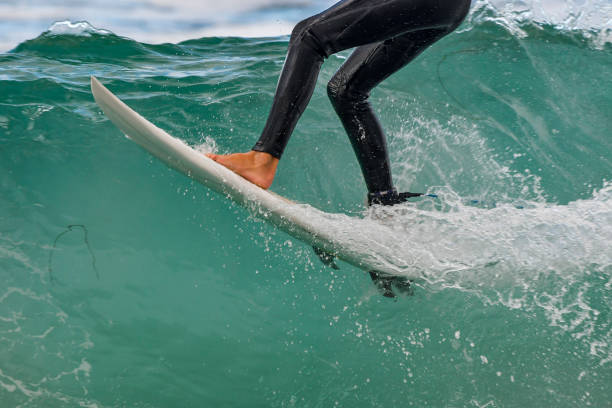
Practice on land, every day. Muscle memory is key. Lie on your stomach, hands by your ribs, and in one smooth motion, push up and spring your feet under you. Avoid the “kook crawl” where you bring a knee up first. The motion should be a quick, fluid “pop,“ not a slow climb. On the water, look where you want to go (down the line, not at your feet) as you come up. A clean, fast pop-up sets you up for everything that follows on the wave face.

Surf therapy is about healing through saltwater and stoke. Organizations use surfing as a tool to help veterans, at-risk youth, or people with disabilities. The ocean’s rhythm, the focus needed to pop up, and the pure joy of riding a wave build confidence, peace, and resilience. It’s not about shredding; it’s about the therapeutic power of connection—to the sea, to a board, and to a supportive community. The results are often life-changing.