
All Articles

Live Surf Cams

Surfline Live is a 24/7 glimpse into the world’s surf.

This stream moves through Surfline’s global camera network, showing spots where it’s daylight and rated Fair or better.

What’s The Deal With…?

Surf Technique Deep Dive

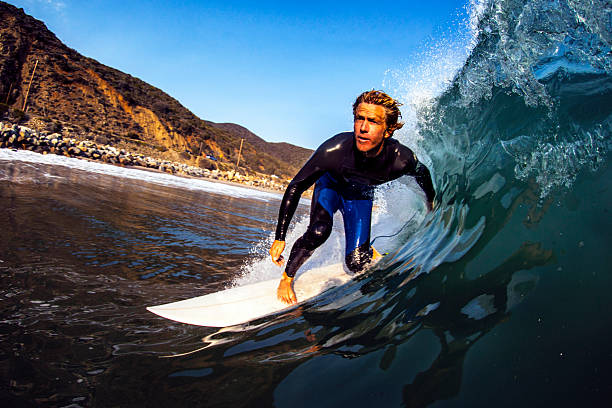
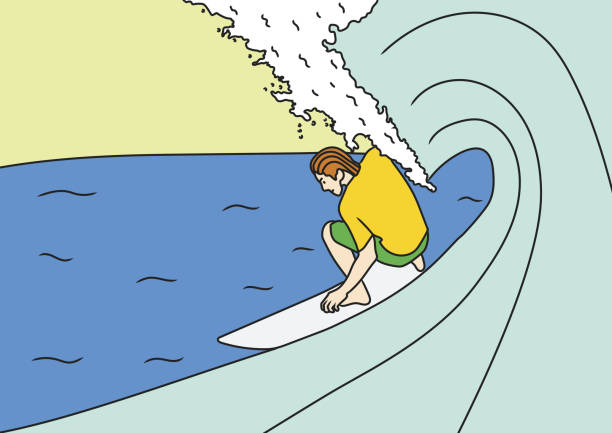
On a fast, hollow wave, your cutback needs to be snappy and high-performance to get back to the pocket quickly. On a slower, mushy wave, you can draw it out more, laying into a big, carving, soul-arc turn. Reading the wave’s speed and section is key to timing it right so you don’t lose all your momentum.

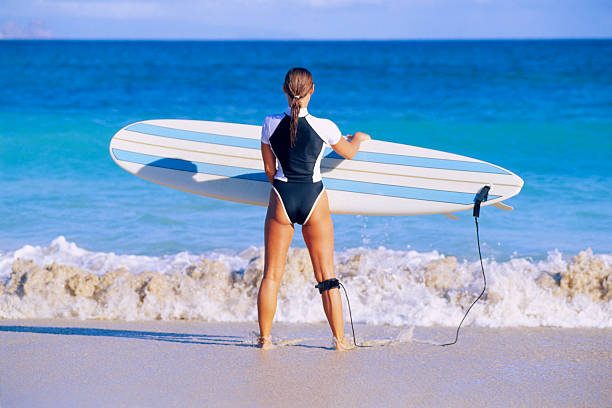
Go for a leash that’s roughly the same length as your board, maybe a touch longer for bigger, more powerful waves. A shortboard around 6ft needs a 6ft leash. If you’re charging overhead waves, adding 1-2 feet gives you more separation from your board during heavy wipeouts. Too long, and it becomes a tangly mess; too short, and it can snap or yank your board back at you. It’s about matching the leash to your wave energy and board size for a smooth, safe session.

For a punchy, hollow reef, you often want more board under you—a step-up or good-wave shortboard with extra paddle power and hold to get in early and handle the speed. For a softer, crumbly beach break, you can go with a more forgiving, wider, and maybe slightly thicker board to help generate speed in weaker sections. It’s about matching the tool to the wave’s power. Always error on the side of caution at a reef; you want confidence paddling into those set waves.

Surf Gear Essentials

Rinse it with fresh water after every session, especially if you’ve been in salt or chlorinated pools. Dry it inside out in the shade—never on a hot line in direct sun. Store it on a thick, wide hanger. Avoid sitting on the tailgate in it, as that stresses the neoprene. A little care goes a long way; treat your rubber right and it’ll keep you stoked for years.

When it’s proper icy, you need the heavy-duty specialists. O’Neill’s Psycho series is a benchmark, with their TechnoButter rubber. Rip Curl’s Flash Bomb and F-Bomb suits are also top contenders, using their G-Bomb seams and lightweight linings. For the absolute coldest, drysuits or hooded 6/5/4 suits from brands like Xcel or Buell are the call. These brands focus on sealing out water and using the warmest, most flexible neoprene tech to keep you out there.

Tides and wind massively change how sets behave. A rising tide can make waves start breaking further in, while an outgoing tide can make them hollower. An onshore wind chops up the face and makes sets messy, while an offshore wind grooms them, holding the lip up. A set that was perfect an hour ago might be closing out now. Always factor in the changing conditions when reading what the next set might do.