The lineup never stands still. Just as one set rolls through, another is building on the horizon. That’s the eternal rhythm of surfing, and it’s the same with the surfers themselves. While we rightly celebrate the legends—the Dukes, the Eddies, the Kellys—who carved the path, there’s a fresh crew in the water right now, not just riding waves, but reshaping what’s possible on them. This ain’t about waiting for the torch to be passed; these next-gen shredders are grabbing it mid-air during a full-rotation alley-oop.
Forget the old categories. The groms of today are hybrids, forged in the digital fire of high-performance clips and a globalized surf culture. They’re as comfortable threading a heaving Puerto Escondido barrel as they are launching into a progressive air reverse at a punchy beach break. Their approach is direct, technical, and fearless. They study wave mechanics with the focus of a scientist and attack the lip with the creativity of an artist. Names like Griffin Colapinto, with his explosive power and World Title grit, or Molly Picklum, whose backhand attack at Pipeline announced a new era of women’s charging, are already etching their stories into the big leagues. But the movement runs deeper than the CT.
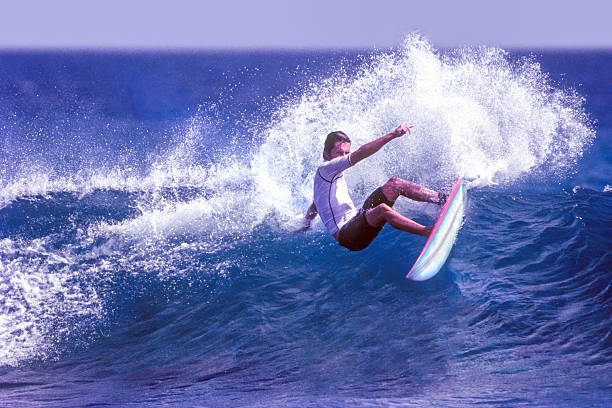
The real spark is in the streets—or rather, the local breaks worldwide. This generation has grown up with crystal-clear, slow-mo replays of every conceivable maneuver. The result? A technical fluency that’s mind-blowing. Watch a kid at your home break: where an older surfer might draw a high line, the grom will snap, then immediately boost a tail-high air, landing with the intention of setting up for the next section. It’s a continuous, fluid assault. They aren’t just doing airs; they’re linking them into combos, making the entire wave a playground for innovation. The language has evolved too—“spinny flips,“ “rodeo clowns,“ and “full-rail carves” are all in the daily vocabulary.
But here’s the crucial part: they’re doing it with a different mindset. The archetype of the lone wolf surfer, solely focused on competition, is blending with a more holistic, stoke-driven approach. You see it in crews like The Grom Patrol or the global collective around Noa Deane and Kai Neville’s “Lost Tapes” vibe. For them, surfing encompasses everything—the mission to find empty waves, the focus on unique equipment from twin-fins to alt-shapes, the DIY edits, and the pure, unadulterated joy of a crazy session with friends. They’re historians in their own right, pulling inspiration from the soulful lines of the 70s and the punk-rock rebellion of the 90s, then filtering it through a 21st-century lens.
This is how surf history is written. Not in one dramatic moment, but in a million daily sessions, in the relentless push of progression, and in the subtle shift of style. The next-gen isn’t waiting for permission. They’re out there right now, on every coast, with fresh eyes and fresh legs, deconstructing the wave and putting it back together in ways we haven’t dreamed of yet. They respect the legends—you’ll hear them talk about Andy or Occy with reverence—but they’re not bound by the past. They’re too busy creating the future, one hacked lip and deep tube at a time. So next time you’re paddling out, take a second to watch the young guns. You’re not just seeing killer surfing; you’re watching the ongoing story of our sport being written in real-time, in spray and saltwater. And that, brothers and sisters, is endlessly stoking.