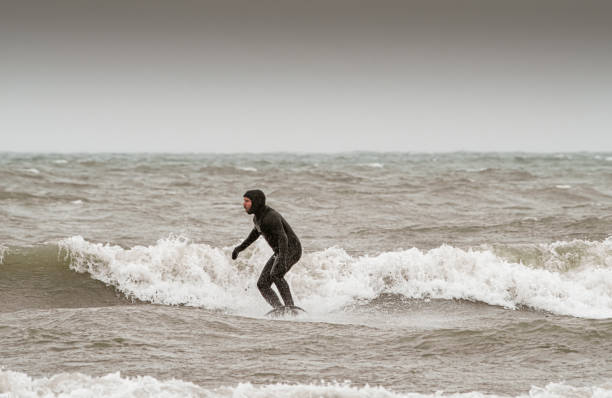
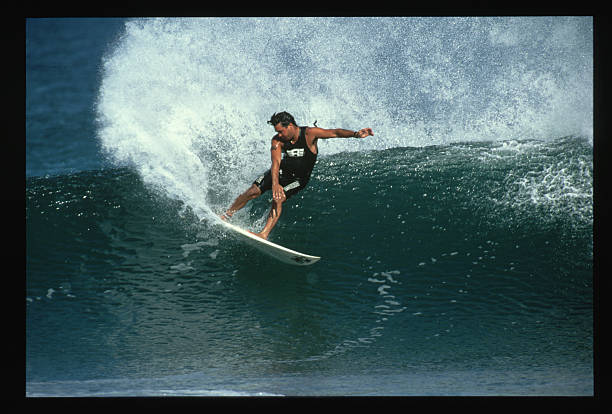
The ocean never sits still, and neither does surf culture. Just when you think you’ve got the rhythm dialed, a new swell of change rolls through, shifting how we ride, what we ride, and why we paddle out. This ain’t about fleeting fads; it’s about the deeper currents reshaping our experience in the water. So let’s drop in and break down what’s happening on the front lines of surfing right now.
First up, the gear is getting a serious rethink. The days of choosing between a high-performance shortboard or a classic log are long gone. The real buzz is in the “mid-length” and “alternative shape” revolution. These aren’t your dad’s funboards. We’re talking modern designs—eggs, twins, asymmetricals—that blend speed and flow with a soulful, trim-based approach. Surfers are craving versatility, a board that can handle a mushy morning then provide some glide when the wind comes up. It’s a move away from the aggressive, vertical attack of the last decade and towards a style that’s more about connecting turns and feeling the wave’s energy. Paired with this is the rise of the “soft-top performance” scene. Don’t laugh—these modern soft tech boards are no longer just for kooks in the whitewater. They’re legit tools for fun, allowing experienced surfers to reinvent waves they’ve surfed a thousand times, bringing a playful, low-stakes vibe back to crowded local breaks.
This shift in equipment is tied directly to a major trend in mindset: surf enjoyment over surf performance. The chase for the biggest air or the most critical barrel is giving way, for many, to the pure stoke of simply being on a wave. You see it in the embrace of foamies, in the resurgence of longboarding nose rides, and in the “party wave” mentality where sharing a set wave with a mate beats a solitary slash. It’s a recalibration, a reminder that surfing is, at its core, about fun. This is amplified by the growing “surf travel 2.0” movement. Instead of just chasing the most famous, heaviest breaks, surfers are seeking out lesser-known coasts, trading packed lineups for empty peaks and immersive cultural experiences. The goal is the journey itself, the adventure of discovery, much like the spirit of The Endless Summer, but with a modern, often more sustainable, twist.
And speaking of sustainable, the green wave is building force. The industry is finally getting its act together, moving beyond token gestures. You’ve got major brands developing wetsuits from natural rubber, boardshorts from recycled plastics, and boards built with eco-friendly resins and cores. This isn’t just marketing fluff; it’s a direct response to surfers who are tired of the hypocrisy of loving the ocean while polluting it. From beach clean-ups to carbon-offset travel, the community is putting its money where its mouth is, demanding products and practices that protect the playground.
Finally, the digital realm is now a permanent feature on the horizon. While nothing replaces time in the brine, tech is enhancing the pursuit. Sophisticated forecast models and live cam networks have dialed in our strike missions, minimizing wasted dawn patrols. But the real interesting shift is in learning and community. Online coaching platforms break down technique in slow-mo, while social media connects niche crews—from bodysurf purists to inland river wave enthusiasts—creating global tribes around specific styles. It’s a double-edged sword, for sure, but used right, it deepens knowledge and stoke.
The bottom line is this: surfing is expanding. It’s less about one perfect way to ride and more about finding your own groove, whether that’s on a 5’10” twin fin, a 9’6” nose rider, or even just your own body. The trends are pointing towards inclusivity, sustainability, and a return to pure, uncomplicated joy. So grab whatever craft calls to you, respect the lineup and the planet, and get wet. The wave, after all, is always the same; it’s how we choose to dance with it that keeps evolving.