All Articles

Live Surf Cams

Surfline Live is a 24/7 glimpse into the world’s surf.

This stream moves through Surfline’s global camera network, showing spots where it’s daylight and rated Fair or better.

What’s The Deal With…?

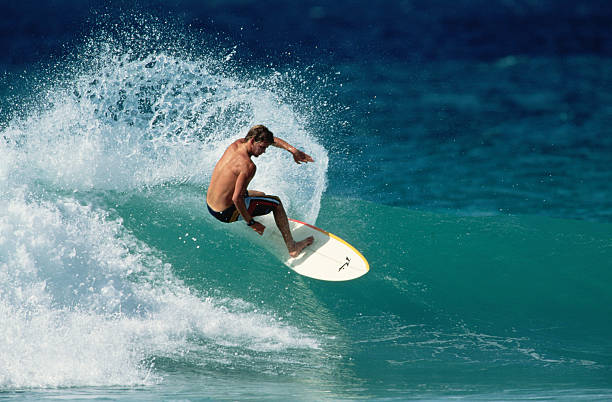
Surf Technique Deep Dive

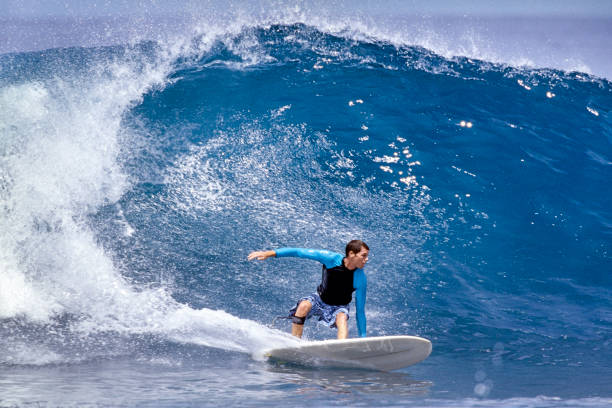
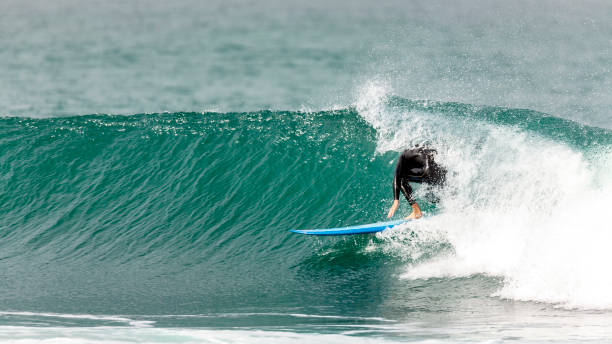
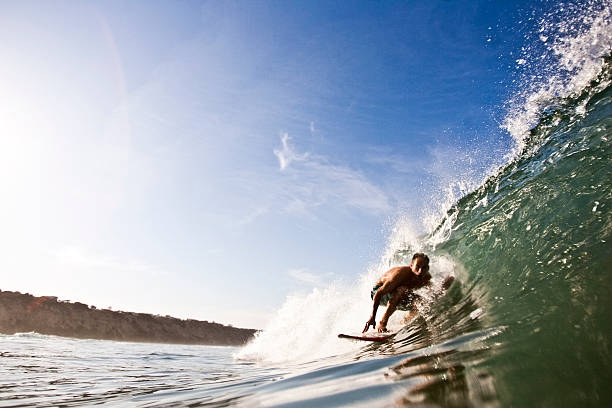
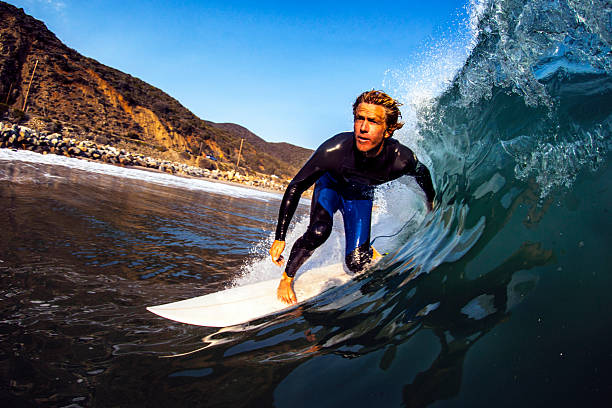
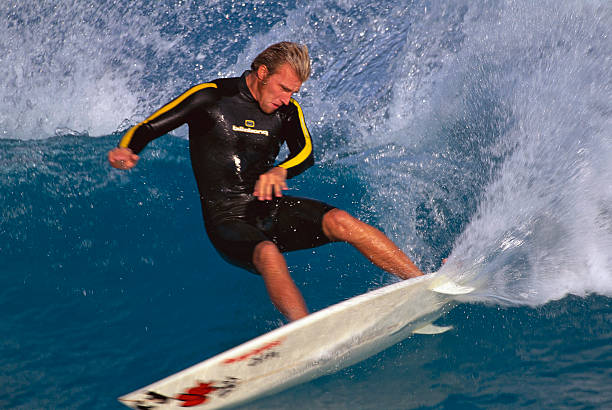
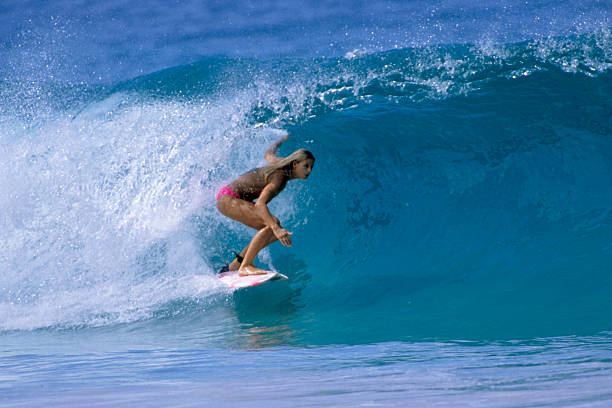
For fast, barreling waves that race along a reef or point, speed is everything from the get-go. You need a board that holds a rail well and fits in the pocket. The moment you pop up, get to your feet quickly and set your rail to angle down the line immediately. Minimize your movements to stay in the sweet spot. It’s a thrilling, high-speed challenge where being in the right position on takeoff is 90% of the battle.

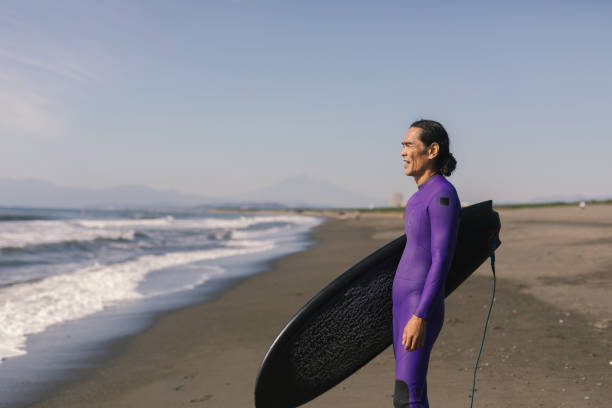
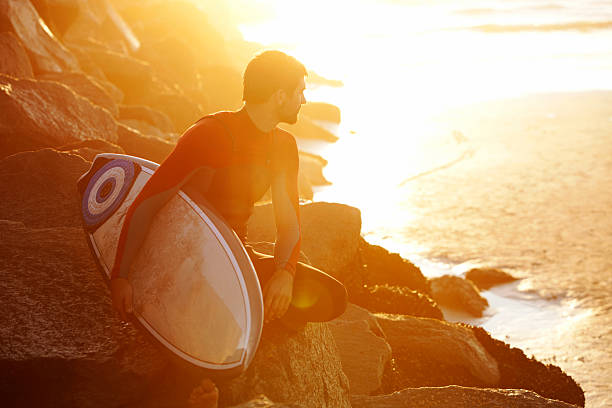
It’s about embracing the whole vibe, not just the act. Spend time just sitting in the lineup, watching the sets roll in. Support your local shaper and learn to repair your own dings. Travel for waves, but respect the locals and the spot—leave it better than you found it. It’s the dawn patrols, the salt in your hair, and the stories after a session. True stoke comes from the community, the ocean respect, and chasing that feeling, not just the Instagram clip. Live it.

Paddling is the brutal, unglamorous gym session of surfing. Without a strong paddle game, you’re just a spectator. It gets you out back, through the impact zone, and puts you in position to catch waves before anyone else. Think of your arms as your engine. Better paddle fitness means more waves per session, less exhaustion, and more fun. Do pop-ups and push-ups at home to build that explosive power you need to get to your feet.

Legendary Surf Spots

For experienced chargers, the North Shore in winter is the holy grail. Hanalei Bay serves up epic, long right-handers. PK’s and Tunnels offer heavy, hollow waves over reef. In summer, the South Shore mellows out. Breaks like Poipu and Shipwrecks provide fun, rippable waves for a wider range of abilities. Always check with local shops for conditions and access, as some spots are kapu (off-limits) or require a serious paddle. Match your skill to the break, brah.

First, check the leaves, flags, or smoke on land to see which way they’re blowing. The key is the direction from the wind. Face the ocean: if the wind hits your back, it’s offshore. If it blows in your face, it’s onshore. A wind hitting your side is cross-shore, which can be okay depending on the angle. Local knowledge and surf forecasts are your best friends here.

Live the aloha spirit, every session. Respect the break and the locals. Share waves instead of snaking. Help a kook in trouble. Keep the vibe positive in the lineup. Also, simply know his story and share it. When you travel to surf, be a good ambassador. Maybe even try riding a traditional longboard to feel the connection. It’s all about carrying forward that combination of incredible watermanship and humble, stoked-out kindness that Duke made famous. That’s the ultimate tribute.