The World Tour: Chasing the Perfect Wave from Pipeline to J-Bay

Forget the passport stamps; the real globetrotters measure their journeys in barrels ridden and hallowed reefs conquered. This is the World Tour, not just a surf contest circuit, but a pilgrimage to the planet’s most iconic waves. It’s a roadmap for any surfer with salt in their veins and a serious case of wanderlust, chasing that endless summer feeling from one horizon to the next.

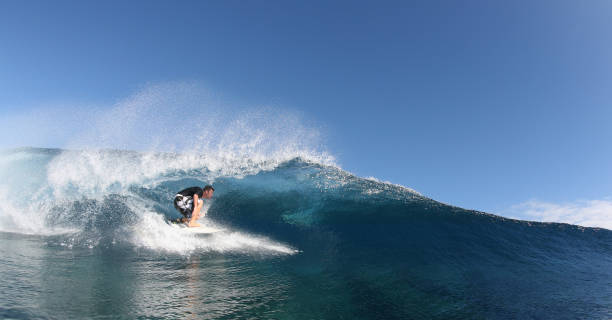
It all kicks off on the North Shore of Oahu, the proving ground. Pipeline is the ultimate arena, a heaving, hollow beast that demands respect and punishes hesitation. Watching the Tour here isn’t just about scores; it’s about witnessing courage. The takeoff is a committed drop into a pitching, aqua-blue room, with the reef lurking just below. It’s raw, powerful, and sets the tone for the entire year. Just down the road, Sunset Beach offers a different kind of test—a giant, shifting canvas of open-ocean power where wave selection and endurance separate the good from the great.

From Hawaii, the chase goes down under to Bells Beach, Australia. Steeped in history, Bells is all about classic lines and powerful carves. When a big southwest swell wraps into the Victorian coast, it creates those long, walling right-handers that are a power surfer’s dream. It’s a rhythm wave, where linking bottom turns, top turns, and carving cutbacks is the name of the game. The vibe here is pure Aussie grit, a celebration of traditional surfing in a stunning cliff-lined arena.

Then, the Tour often dips into the jungle-fringed perfection of Tavarua, Fiji. Cloudbreak is the postcard-perfect left that dreams are made of. When it’s on, it’s a seemingly endless, turquoise wall that barrels perfectly over a shallow reef. It’s a high-performance wave that allows for both deep tube rides and massive, carving maneuvers. The nearby Restaurants offers a more user-friendly but equally fun left, making this Fijian paradise a total wave magnet.

But for many, the crown jewel of the tour is Jeffreys Bay in South Africa. J-Bay is surfing’s symphony. A long, fast, racing right-hander that peels for hundreds of meters down a rocky point. It’s about flow, speed, and connecting sections. Finding that high line and racing the spit down the line is a feeling of pure glide. When a surfer is in tune here, it’s like watching poetry in motion, a seamless dance with one of the most rhythmic waves on Earth.

The Tour might also stop in Teahupo’o, Tahiti—simply called “Chopes.” This is not a wave; it’s a force of nature. The thickest, heaviest water on the planet throws out over a razor-sharp reef, creating a barrel that is both terrifying and mesmerizing. It’s the ultimate test of commitment, where survival and performance collide in a spray of white water and pure adrenaline.

Following this circuit isn’t just about watching the world’s best compete. It’s a masterclass in reading different ocean canvases. It shows you that surfing isn’t one thing. It’s the power of Pipeline, the flow of J-Bay, the perfection of Cloudbreak, and the raw fear of Teahupo’o. For the everyday surfer chasing stoke, the World Tour destinations are the ultimate bucket list. They define what’s possible, inspire the next mission, and remind us that somewhere, the sun is always shining on a perfect wave. So study the forecast, save your pennies, and start planning your own tour. The world’s best waves are waiting.
Related Posts

Live Surf Cams

Surfline Live is a 24/7 glimpse into the world’s surf.

This stream moves through Surfline's global camera network, showing spots where it’s daylight and rated Fair or better.

What's The Deal With...?

Legendary Surf Spots

What’s the story with ’The Peak’ break?

The Peak is Bundoran’s legendary reef break, a right-hand point that can hold serious size and power. When it’s on, it serves up long, barreling walls that can make you feel like you’re in Hawaii (just way colder). It’s not a wave to take lightly—the reef is shallow and the current can be strong. This is where the local heavies come to play. Watch from the cliff path first to suss it out. It’s a wave that commands respect, but riding it is a true Irish surfing rite of passage.

Where’s the best place to soak up the North Shore culture after a session?

Head to Haleiwa town. Grab a plate lunch from a food truck, check the surf shops for legends swapping stories, and just cruise the laid-back, rustic vibe. The real culture is in the parking lots, watching the sunset with salty hair, and the unspoken bond between everyone who tackled the ocean that day. It’s a mix of pure stoke and exhausted satisfaction that you just don’t get anywhere else.

What makes Bundoran such a special surf spot?

Bundoran is the heartbeat of Irish surfing, a true cold-water gem. It’s all about consistency. The reef and beach breaks, like the famous Peak, work on all kinds of swells and winds. You get powerful, world-class right-handers next to mellow beachies for learners. The town itself is totally surf-obsessed, with a proper salty crew and cosy pubs to warm up in after a session. It’s not about tropical water, it’s about raw, powerful Atlantic energy and a fiercely welcoming community that lives for the stoke.

Surf Lingo & Slang

How do I read a surf forecast to score good waves?

Check three key things: swell size/period, wind, and tide. A long swell period (like 14+ seconds) means more powerful, organized waves. Offshore winds (blowing from land to sea) groom the face clean. The tide can make or break a spot; some reefs only work on low, while beach breaks can get drained out. Stoke comes from connecting these elements for your local break. It’s a daily puzzle, and solving it to find shoulder-high, glassy conditions is a huge part of the game.

What does “reading the lineup” actually mean?

It’s about understanding the ocean’s rhythm. You’re watching the sets, identifying the peak—where the wave starts to break first. You note the currents, the wind, and where other surfers are sitting. It’s seeing which waves are makeable and which are closeouts. This knowledge tells you where to paddle to be in the best position. It’s not just looking; it’s analyzing. A good read saves energy and gets you more waves.

What does “peeling” or “peeler” refer to?

This describes a wave with a perfect, orderly break that unfolds along its length, like peeling a banana. A “peeler” is a wave that breaks slowly and evenly, allowing for a long, smooth ride. It’s the opposite of a closeout. You’ll find these at point breaks or reefs with a well-defined contour. These waves are a dream for logging, longboarding, or practicing turns, giving you plenty of time on the face to set up for maneuvers and really enjoy the glide.