Surf Lifestyle & Travel

Live Surf Cams

Surfline Live is a 24/7 glimpse into the world’s surf.

This stream moves through Surfline's global camera network, showing spots where it’s daylight and rated Fair or better.

What's The Deal With...?

The Surfing Life

What makes dawn patrol so special, anyway?

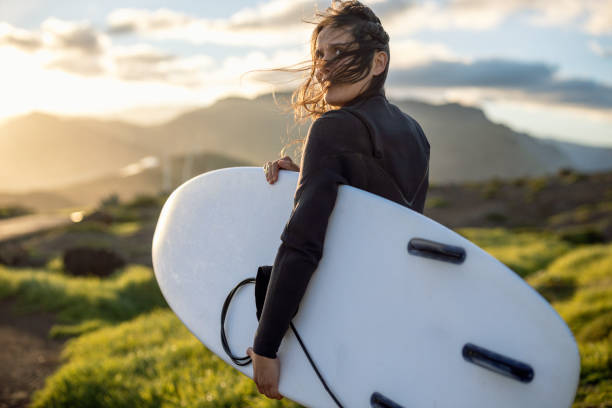
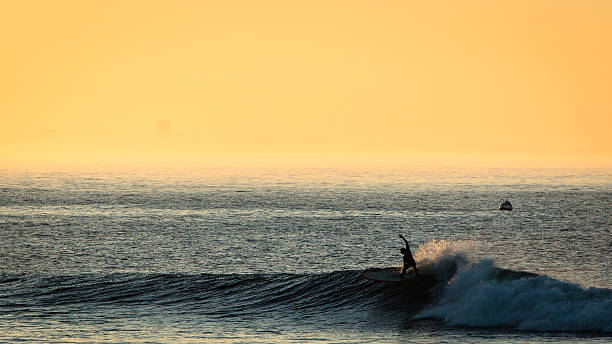
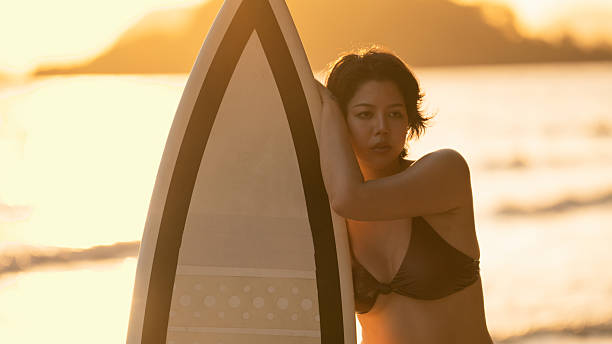
Dawn patrol is pure magic. You’re scoring glassy, uncrowded waves with the sunrise as your backdrop. The morning offshore winds are usually perfect, holding the wave face smooth. It’s just you, your crew, and the ocean waking up. The stoke of an early session fuels your whole day, and you’re back on land before most people have had their coffee. It’s a quiet, personal connection with the sea that’s tough to beat. Paddling out in the dim light is a ritual that never gets old.

How can I improve my technique without getting too technical?

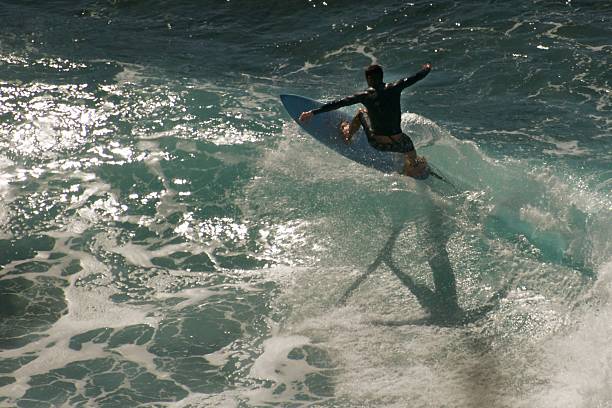
Focus on one simple thing per session. Is it looking where you want to go? Or staying low on your bottom turn? Don’t overthink it—just feel it. Surf different boards to naturally learn balance and flow. Watch good surfers not for their biggest air, but for their style and wave selection. Most improvement comes from time in the water, not over-analysis. Let your body learn the rhythm. Smooth, stylish surfing often beats forced, technical surfing in the stoke department.

How do I read a surf forecast and find good waves?

Learn the key metrics: swell size, period (longer is better and more powerful), wind direction (offshore is ideal), and tide. A 2-foot wave with a 17-second period can be pumping, while a 6-foot wave with a 6-second period is messy. Use trusted forecast sites and apps, but also learn your local spots—how do they work on a south swell vs. a west swell? The best tool is still your own eyes; watch the ocean.

Surf Technique Deep Dive

Does my stance affect what board or fins I should get?

For the most part, no. Modern surfboards and fin setups are symmetrical, so they work identically for goofy and regular riders. The only time it matters is with specialized, asymmetrical boards (which are rare) or if you’re setting up a twin-fin with toe-in (angling the fins slightly forward). For 99% of surfers, you don’t need to think about it. Just grab a board that fits your skill level and local waves—it’ll work for your stance, promise.

Which board is best for learning airs?

You’ll want a modern, high-performance shortboard. Look for a lightweight epoxy construction with a lot of rocker (curve from nose to tail) to help get you up and over the lip. A pulled-in, narrow tail—like a squash or round—gives you snappy release. Keep it relatively small and thin for maximum responsiveness. While you can try on a fish or a mini-mal, a true performance stick is the tool for the job.

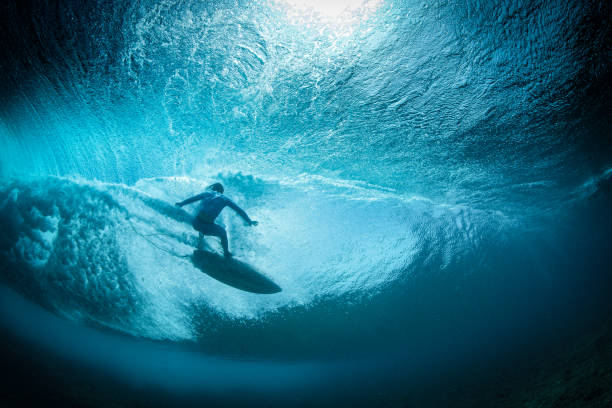
Any tips for handling the inevitable wipeouts in the tube?

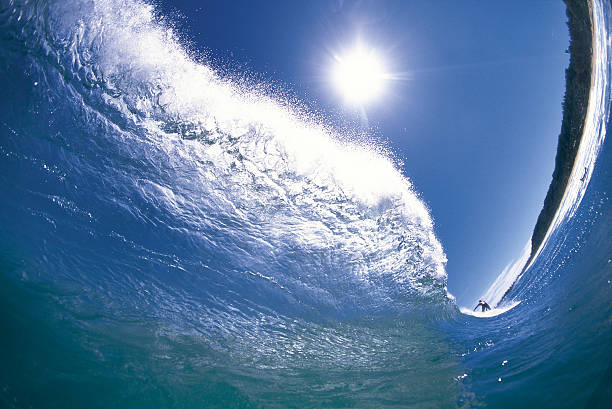
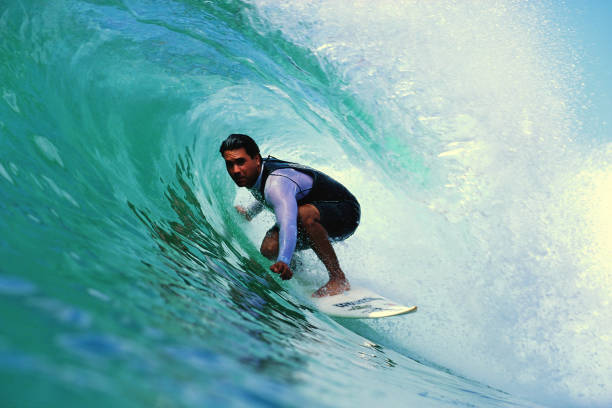
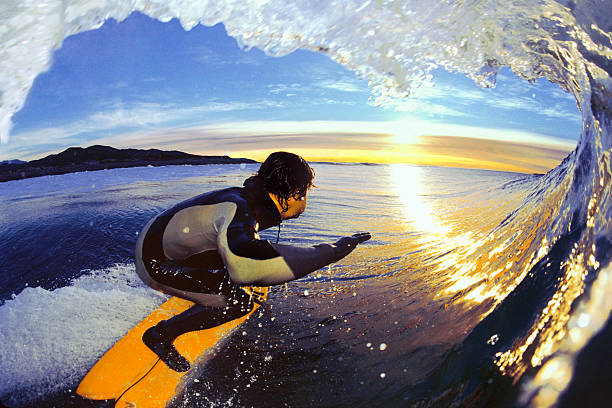
Oh, you’re gonna get worked. It’s part of the deal. The key is to relax. Don’t fight it. Go with the turbulence, and cover your head with your arms. If you feel the spin, try to figure out which way is up and swim in that direction. A good breath-hold practice out of the water helps. Always know your limits and surf within them. Getting pounded on shallow reef is a whole different story than a deep sandbar. Respect the spot and you’ll live to surf another day.