Baja Bliss: Your Next Surf Pilgrimage South of the Border

Forget the crowded lineups and the manicured surf resorts. If you’re chasing that raw, soulful feeling—the one Bruce Brown filmed in The Endless Summer—you point your rig south and cross the border. Mexico’s Baja California isn’t just a destination; it’s a rite of passage. This thousand-mile finger of desert, mountain, and pristine coast is where the surf lifestyle gets real, where the travel is part of the reward, and the waves are a salty blessing.

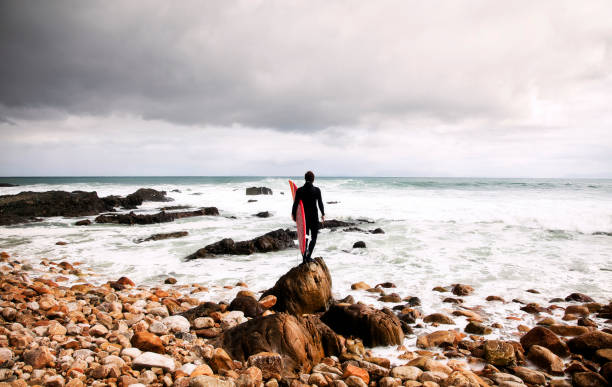
The Baja run is the ultimate surf commute. It’s dusty two-tracks leading to empty points, camping under a blanket of stars so thick you can hear them, and waking to the sound of clean lines wrapping into a cobblestone cove. This is where you trade the daily grind for the simple rhythm of tide charts and swell direction. Your gear gets a layer of fine dust, your wetsuit never fully dries, and your biggest decision is whether to fire up the fish tacos now or after one more session. That’s the Baja bliss mindset. It’s bare-bones, it’s authentic, and it’s utterly addictive.

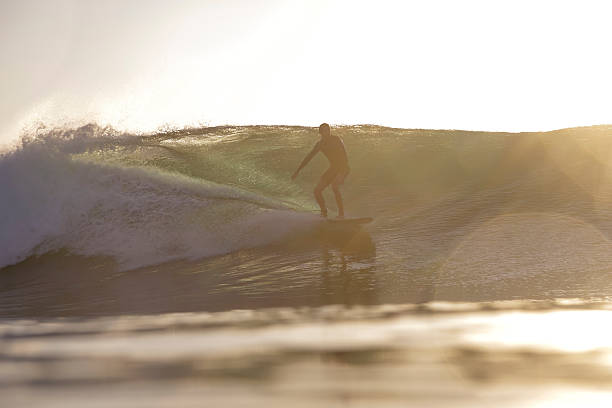
Let’s talk spots. The whole peninsula is a conveyor belt of swell, catching everything from the chunky northwest pulses to the southern hemisphere energy. Up north, you’ve got the legendary point breaks of Northern Baja—reliable, powerful, and often crowded with the border crew. But the magic happens as you venture further. Central Baja holds playful beach breaks and funky reefs where you’ll likely share the water with just a few dolphins. Then you drop into the East Cape and the famed seven sisters of the Pacific side near Todos Santos. Here, you’re talking world-class point setups: long, mechanical walls that demand respect and offer rides that burn into your memory. You’ll need a quiver board for this trip—a good shortboard for the punchy beachies, a step-up for the bigger days at the points, and a reliable fish or funboard for those playful, sunny-day sliders.

The culture here is as warm as the sun. You roll into a tiny pueblo, get greeted with a “¡Hola, güey!” and the local shaper might just invite you for a cerveza after he fixes your ding. The surf lingo blends with easy Spanish—you’re not just checking the surf, you’re checking “las olas.” You learn that “mañana” doesn’t always mean tomorrow; it means no rush, the wave will be there, relax. It’s a beautiful lesson in pacing. This is the core of the surf lifestyle, stripped back: community, stoke, and a deep connection to the ocean and the land.

So, how do you score your own slice of Baja bliss? It starts with a spirit of adventure. You can van-camp it, hitting the famous surf camps that dot the coast, or go full explorer with a 4x4. Respect is your most important piece of equipment. Respect the locals, respect the desert—it’s unforgiving—and respect the power of these isolated waves. Pack extra water, extra fuel, and a good attitude. The potholes in the road are part of the journey, and the occasional flat spell is just an excuse to snorkel, eat incredible food, and soak in the vibe.

In the end, Baja isn’t about finding a perfect wave—though you will. It’s about finding the rhythm of a simpler surf life. It’s the taste of salt on your lips, the feel of sun-baked wax under your feet, and the endless horizon of possibility down a lonely dirt road. It’s the real deal. So, load up, point south, and go get your bliss. The desert and the sea are waiting.
Related Posts

Live Surf Cams

Surfline Live is a 24/7 glimpse into the world’s surf.

This stream moves through Surfline's global camera network, showing spots where it’s daylight and rated Fair or better.

What's The Deal With...?

The Surfing Life

Is it more dangerous to surf in the low light of dawn?

It can be, but you can manage it. Visibility is the main issue—seeing rips, other surfers, or your own board is harder. Stick to a break you know really, really well. A good rule is to avoid sketchy, shallow spots you’re not 100% on. Surf with a buddy and consider a board with brighter colors. Your judgment might be a bit foggy, so take a minute to watch the sets before paddling out. The ocean’s power doesn’t change with the light, so respect it.

How can I travel sustainably as a surfer?

Respect the places that give us joy. Use reef-safe sunscreen to protect fragile ecosystems. Minimize plastic use—bring a reusable water bottle and bag. Support local economies by eating at family joints and hiring local guides. Choose eco-conscious accommodations if possible. When you leave, the only thing you should take is memories (and maybe some photos), and the only thing you leave is your footprint in the sand. Keep the oceans and lineups clean for the crew that comes after you.

How can I refuel quickly between sessions when the swell is pumping?

You need quick, digestible fuel that gets you back in the lineup fast. Grab a ripe banana, an energy bar without a ton of processed junk, or a handful of dates and nuts. A liquid option like a simple protein shake works great, too. The key is to listen to your body—if you’re feeling drained, get some easy calories in. Don’t overcomplicate it; just get something clean in your system so you can rest up and get back out there before the tide changes.

Surf Lingo & Slang

What does “closeout” mean?

A total bummer! A closeout is when the entire wave breaks at once, instead of peeling left or right. There’s no open face to ride, just a wall of whitewater. It offers no real rideable shoulder, shutting down immediately after it breaks. You might get a steep drop, but then you’re instantly engulfed. Spot selection is key to avoiding these—you want a peak that peels consistently. Getting caught inside during a set of closeouts is what we call a proper washing machine experience.

What gear should I consider as I progress to more advanced maneuvers?

As you start charging harder and trying airs, your board matters. You’ll likely want to move to a high-performance shortboard with more rocker for tighter turns and better control in the pocket. Think about a quad or thruster setup for speed and hold. A good pair of surf-specific fins can make a huge difference in responsiveness. And don’t forget the rubber—a grippy deck pad can give you the confidence for those critical snaps and landings. It’s about finding equipment that becomes an extension of your movement.

What does “going down the line” mean?

Going down the line is the essence of riding a wave. Instead of riding straight toward the beach, you angle your board along the open, unbroken face of the wave, traveling parallel to the shore. This lets you build speed, set up for turns, and potentially race the closing section to get barreled. It’s about flow and connection with the wave’s energy. Mastering this fundamental skill opens up the whole wave for you, turning a simple drop into a real ride.