The Stoke is Real: What It Means to Live the Surfing Life

Forget what you’ve seen in the movies. The surfing life isn’t just about sun-bleached hair and saying “cowabunga.“ It’s a deep, daily rhythm, a pull as constant as the tide. It’s about aligning your entire existence with the pulse of the ocean. This is the ultimate chase, a quest for that feeling—the stoke—that comes from a perfect drop, a clean barrel, or even just a morning glide on a mushy day. It’s about living for the saltwater in your veins.

It starts in the dark. The true surfer is up before the dawn patrol, checking the cams, reading the swell charts like a sacred text. You’re not just looking for waves; you’re analyzing the wind direction, the tide swing, the period of the swell. Is it a groundswell offering clean lines, or a short-period wind chop? You’re making the call: log, shortboard, fish, or step-up? The equipment is an extension of the mission, each board a tool for specific conditions. This isn’t just gear; it’s your sled, your stick, your magic carpet for the session ahead.

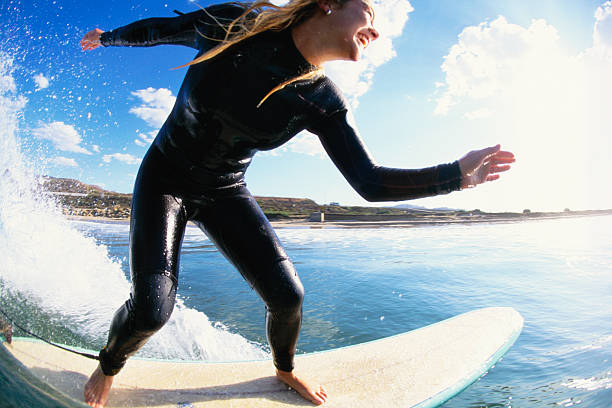
Then you paddle out. That moment you duck dive under the first set, the world on land melts away. All that exists is the horizon line, the rhythm of the sets, and the lineup hierarchy. You learn the language—not just “shredding” or “getting pitted,“ but understanding what a close-out is, why a wave is “sectioning,“ or how to spot a “peak.“ You learn etiquette: don’t drop in, don’t snake, respect the locals. The ocean is the great equalizer. It doesn’t care about your job title or your bank account. Out there, you earn your waves.

The lifestyle is built around this. Your schedule bends to the swell. Your travel plans are dictated by seasonal charts—chasing the sun and the swell from Indonesia’s dry season to the winter power of the North Shore. You dream of point breaks that reel for hundreds of yards and secret spots that only work on a specific tide with a rare south swell. It’s a life of chasing that endless summer feeling, where the water is warm, the winds are offshore, and the waves are consistently fun.

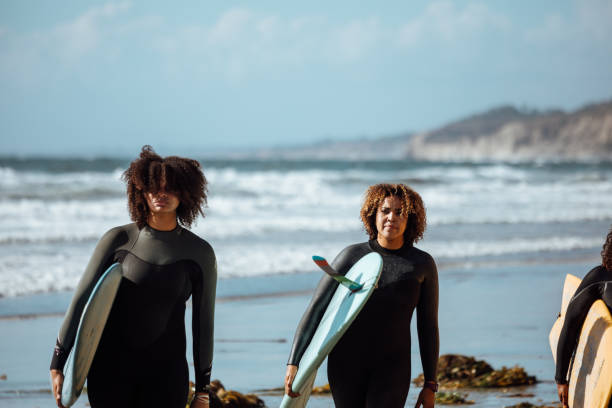
But it’s not all tropical perfection. It’s also dawn sessions in a 4/3 wetsuit, your face numb from the cold, paddling against a relentless current. It’s getting worked, held down for what feels like a two-wave set, coming up gasping. It’s flat spells that last for weeks, where you just stare at the ocean, willing it to show some life. This is the grind. And it makes those perfect days all the sweeter.

Back on land, the stoke lingers. You feel that pleasant exhaustion in your shoulders. You find sand in your car, your bed, your pockets—months later. Your conversations circle back to that one insane barrel or the close-out you somehow made. You connect with others who get it, who understand the obsession without needing it explained. It’s a tribe bound by saltwater.

In the end, the surfing life is a simple equation. It’s about trading comfort for feeling alive. It’s about prioritizing moments of pure, unadulterated joy found in the energy of a moving wave. It’s a commitment to the search, to the paddle, to the glide. It’s messy, exhausting, frustrating, and absolutely, utterly addictive. Because once you’ve felt that connection, that ride, that stoke… there’s no going back. You’re in, for life.
Related Posts

Live Surf Cams

Surfline Live is a 24/7 glimpse into the world’s surf.

This stream moves through Surfline's global camera network, showing spots where it’s daylight and rated Fair or better.

What's The Deal With...?

Mastering the Waves

Why shouldn’t I ditch my board when I’m paddling out?

When you bail on your board, you let a 6-to-10-foot projectile loose on a leash. That’s a major hazard to other surfers around you. Always try to maintain control, even through whitewater. If a big set is coming, roll under with your board or push through. Protecting the crew in the water is key. A loose board can cause serious injuries and ding up other people’s sticks, which is a major party foul.

How does volume affect my surfing?

Volume (measured in liters) is your float and paddle power. More volume means easier paddling, earlier wave-catching, and more stability—key for groms or bigger surfers. Less volume means a more responsive, sinky board for radical turns, but requires stronger paddling. It’s about matching the board’s “foam” to your weight and skill level. Too little, and you’ll struggle; too much, and you’ll feel corky.

What defines a “point break”?

A point break is a wave that breaks along a rocky point or headland, often peeling perfectly in one direction for a long, long ride. Think Malibu or Jeffreys Bay. The swell wraps around the point, creating a smooth, lined-up wall. They’re the ultimate for logging turns and getting into a rhythm. Crowds can be heavy because the wave is so predictable and quality. Paddling out usually means a long trek around the point. Pure, classic surfing rhythm on a point is pure magic.

Surf Gear & Brands

How can a shop help me choose the right board for my skill level?

Walk in and talk story! The groms working there have seen every kook and charger in the water. They’ll ask about your experience, the waves you typically surf, and what you’re dreaming of riding. They’ll let you feel the difference between a fish and a gun, explain why volume matters, and might even point you to a local shaper for a custom stick. It’s personalized advice you can’t get from a dropdown menu online, ensuring you get a board that progresses your surfing, not hinders it.

Why is sun protection clothing important for surfers?

Dude, the sun is no joke when you’re on the water for hours. Quality surf apparel comes with built-in UPF (Ultraviolet Protection Factor) ratings, acting like a constant layer of sunscreen that won’t wash off. This helps prevent long-term skin damage and keeps you from feeling like a lobster after a long session. Rash guards, hats, and leggings are key pieces. It’s about respecting the elements so you can keep charging day after day without getting burned.

What should I look for in a surf-specific backpack?

You need a bag that can handle the salt, sand, and wet gear. Key features include a separate waterproof compartment for your wetsuit or soggy trunks, drainage grommets, and durable, easy-clean materials. Look for extra pockets for wax, a fin key, and your phone/keys. A good surf backpack keeps your dry stuff dry and your wet stuff contained, making the trek from the car to the breakway cleaner and more organized. Function over fashion, but many look slick too.