Alright, let’s cut through the foam and talk about what’s really happening out there. You check the forecast, you see the cams, but until you’ve got the language to describe what you’re seeing, you’re just guessing. Understanding wave conditions, from the forgettable to the epic, is the difference between a frustrating paddle-out and the session of your life. It all boils down to a spectrum, and we’re surfing that line from mushy to primo.
On the far left, you’ve got the mush. We’ve all been there. The swell is weak, the tide is wrong, and the waves just can’t muster the energy to stand up. They roll in like a slow, crumbling wall of whitewater, offering no punch, no pocket, no nothing. It’s soft, it’s slow, and it’s a leg-burner trying to generate speed. You’ll be pumping like a madman just to stay in front of the soup. These are the days for the longboard or the foamie, perfect for beginners or when you just need to get wet. But for anyone hunting a real ride, mushy waves are an exercise in patience.
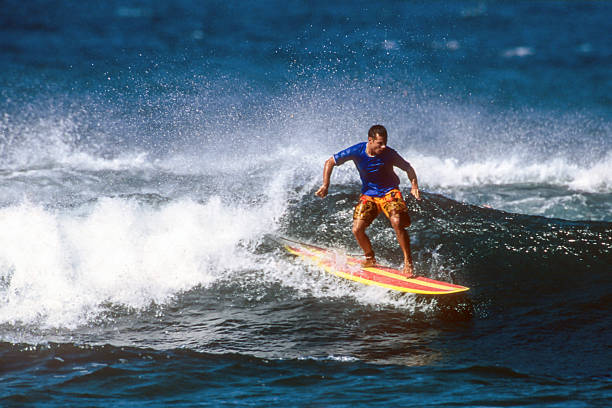
Step it up a notch and you might find yourself in fun-sized conditions. This is the daily driver, the bread and butter. Waves are clean, maybe chest to head high, with a decent shape that lets you set a line and get a few turns in. They’re not going to make the magazines, but they’ll put a smile on your face. It’s consistent, it’s rippable, and it’s what keeps the stoke alive between swells. You can ride anything in these conditions and have a blast. This is where you work on your technique, try new things, and just enjoy the glide.
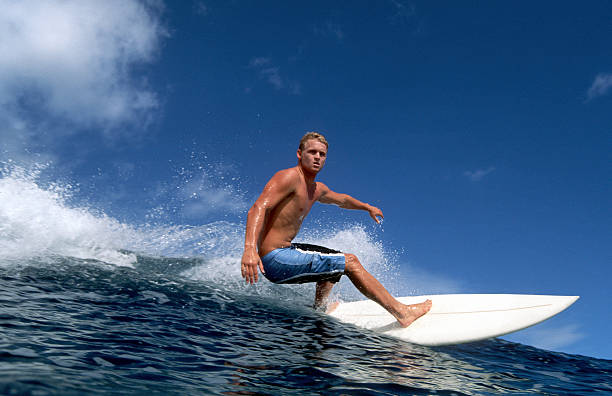
Now we’re getting into the good stuff. When the forecast lines up—the swell direction is perfect for your spot, the wind goes offshore, and the tide is just right—the ocean can turn into a playground. These are clean and lined-up conditions. The waves have real energy, forming distinct peaks that reel down the line with a defined shoulder. You can pick your spot, take off with confidence, and set up for critical maneuvers. The face is smooth, the lip is pitching, and the sound changes from a rumble to a roar. This is performance territory, where shortboards come alive and you start thinking about sections, speed, and maybe even a barrel or two.
But then, there are the days that get etched into your memory. The primo days. The epic sessions. Everything aligns in a cosmic dance of hydrodynamics. The swell is powerful and direct, the offshore wind is grooming the face into a glassy perfection, and the tide is sucking out just enough to make every peak hollow. This is when you hear terms like firing, barreling, or all-time. Waves are not just lined up; they’re stacking perfectly, one after another, offering long, fast, and sometimes terrifying rides. The water might even have that deep, translucent blue-green look. On a primo day, the crowd vibes are different—a mix of intense focus and pure stoke. It’s what we chase. It’s the reason we check the charts at midnight and drive for hours. It’s the feeling of dropping into a heaving peak and getting spit out the other end, knowing you just connected with the ocean at its most powerful and graceful.
So next time you’re sizing up the surf, don’t just look at the height. Read the language of the ocean. Is it weak and crumbling, or is it throwing? Is it sectioning, or is it lining up like a runway? Knowing the difference between mushy and primo isn’t just surf lingo; it’s the key to knowing what board to grab, what mindset to have, and whether it’s time for a coffee or time to charge. Now get out there.