Surf Lingo & Slang

Live Surf Cams

Surfline Live is a 24/7 glimpse into the world’s surf.

This stream moves through Surfline's global camera network, showing spots where it’s daylight and rated Fair or better.

What's The Deal With...?

Surf Gear Essentials

What’s the story with fin setups—single, twin, thruster, quad?

Fins are your steering and hold! The classic thruster (three fins) offers a great balance of control and drive. Twins (two fins) are loose and fast, with a retro feel. Quads (four fins) give you insane speed and hold on steep faces. Singles are for pure, soulful glide on a log. Swapping setups can make your same board feel totally new. Experimenting is half the fun, letting you fine-tune your ride for different days.

Do pro surfers really wear hats in the water?

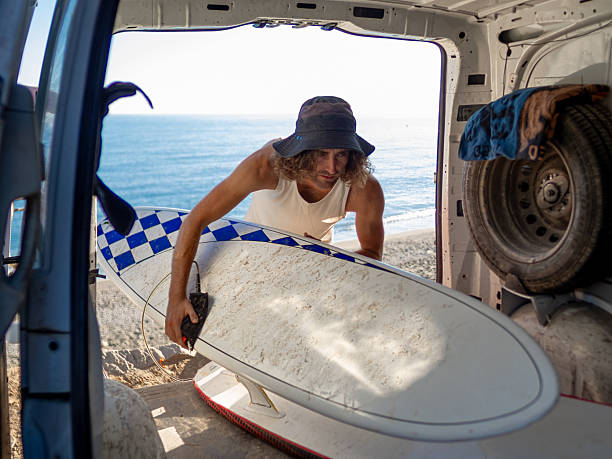
Totally! More and more pros are rocking them, especially during long training sessions or in brutal tropical sun. It’s about longevity, bro. They’re not just for style—they’re a smart tool for skin health and maintaining peak performance without getting drained by the heat. You’ll see them in free surfs, warm-up sessions, and even some contests. It’s a practical move that shows they’re in it for the long haul, protecting their temple.

What’s the deal with the modern surf leash?

The modern leash is your lifeline to your board, a total game-changer since Pat O’Neill invented the “kook cord” in the 70s. It prevents wild swims after every wipeout and keeps your stick from becoming a hazard for others in the lineup. Made from durable urethane cord and a strong Velcro ankle strap, it lets you push your limits without constantly retrieving your board. Just remember, it’s a backup, not a guarantee—always practice proper board control.

Surf Technique Deep Dive

How should I approach heavy, hollow waves?

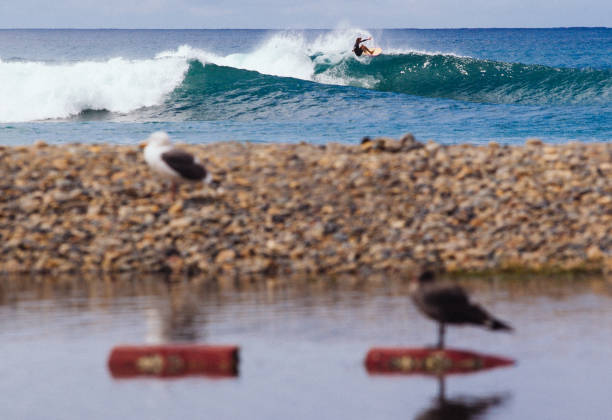
Heavy, hollow waves demand respect and commitment. You gotta be fit, confident, and have your duck dive dialed. The key is positioning: take off late and steep, aiming to get deep. Once you’re in, focus on projecting down the line with speed to outrun the pitching lip. It’s a mental game as much as physical. Start with smaller barrels and work your way up—getting pounded is part of the journey, brah.

Are There Different Styles of Cutbacks for Different Eras?

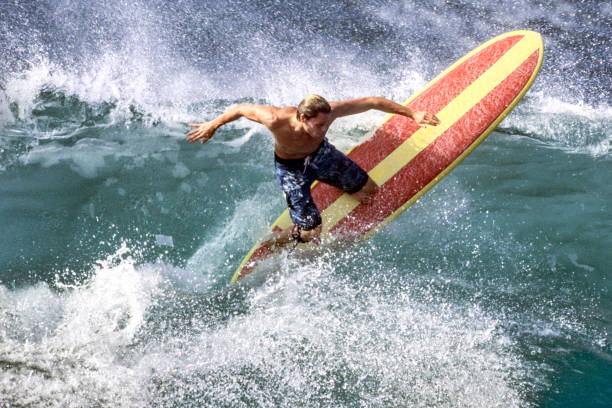
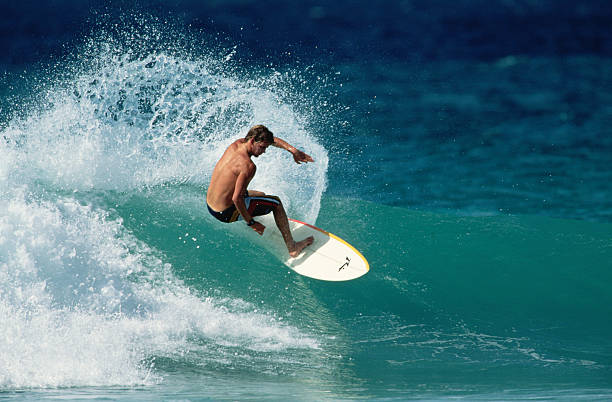
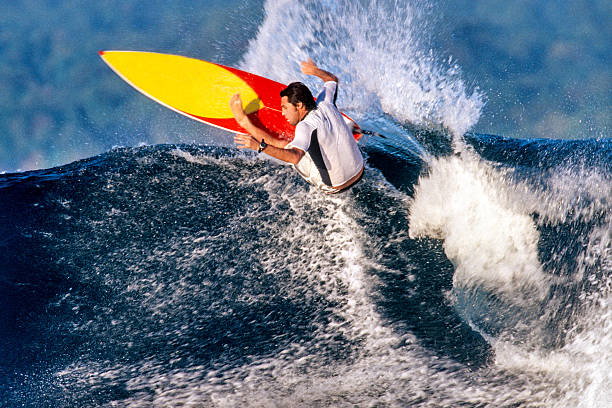
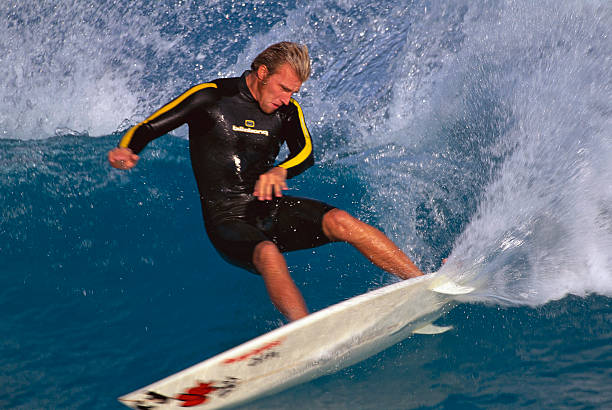
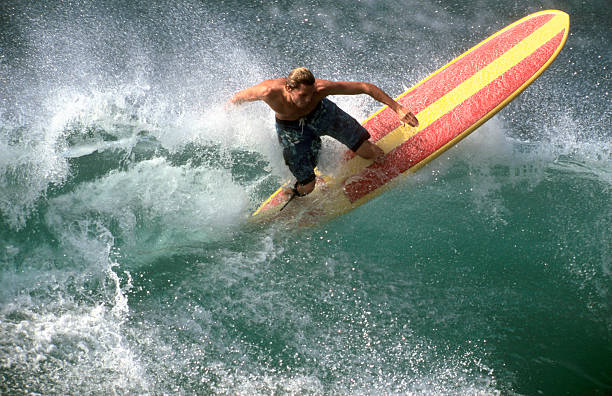
Totally! Old-school 70s soul-arcs were drawn-out, graceful carves. The 80s saw more vertical, aggressive re-entries. Modern high-performance cutbacks are often combined with snaps or preceded by an aerial. Each era’s equipment and philosophy shaped the style—from noseriding longboards requiring big, sweeping turns to shortboards allowing explosive redirections.

What’s the basic principle behind a duck dive, anyway?

It’s your submarine move. When a wall of whitewater is about to slam you, you use your board’s buoyancy against itself. You shove the nose down, get your body deep, and let the wave’s energy pass right over you. The key is timing and using your knee or foot to sink the tail. Master this, and you stop wasting energy fighting foam and start saving it for riding clean faces. It’s the essential paddle-out skill for shortboards and many funboards.