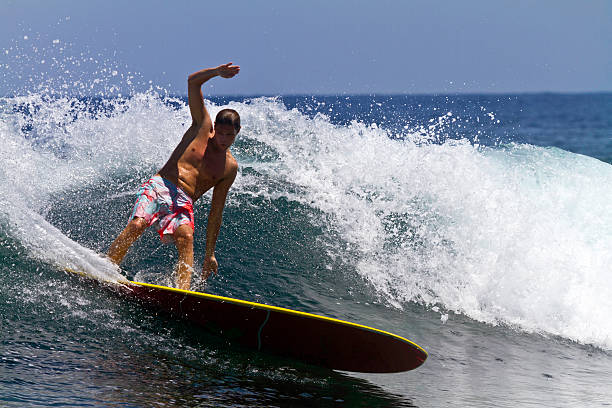
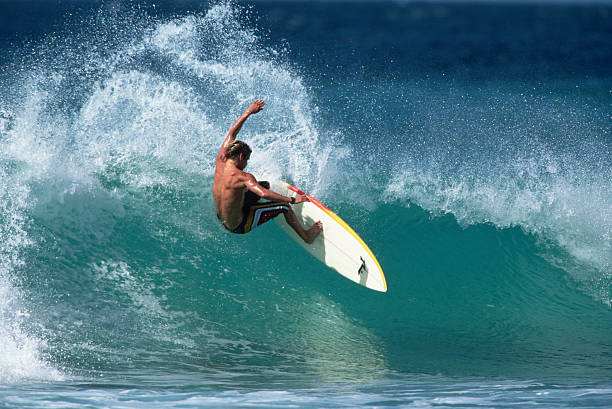
In the lineup, there are two types of people: those who are part of the wave, and those who are in the way. This isn’t about judging beginners; everyone had to learn. It’s about understanding the unspoken code, the vibe, and the respect that separates a true surfer from someone just wearing the costume. This is the fundamental difference between a kook and a ripper. Knowing it keeps the peace, keeps you safe, and honestly, keeps you from being that guy everyone is side-eyeing from the channel.
Let’s break it down, no fluff. A kook isn’t defined by skill level. You can be a beginner and not be a kook. A kook is defined by attitude and awareness—or lack thereof. It’s the surfer who paddles straight to the peak without reading the lineup, dropping in on everyone without a glance. It’s the dude with the brand-new, neon-bright wetsuit, waxing the bottom of his board because he saw it in a movie once. It’s the person who lets their giant foamie become a runaway torpedo for the rest of the pack. Kook behavior is, at its core, a failure to observe and respect the ocean and the hierarchy of those already dancing with it. They’re often oblivious, sometimes overconfident, and their biggest sin is disrupting the flow. We’ve all had kooky moments, but the key is to learn from them, listen, and adapt.
A ripper, on the other hand, is the opposite of all that. Again, it’s not purely about being able to do airs or slash the lip to pieces. You can rip on a longboard with style and grace. A ripper has water knowledge. They understand the rhythm of the sets, know how to position themselves without snaking the whole crew, and wait their turn. Their skill is obvious, but it’s their etiquette that truly defines them. A ripper makes it look effortless because they’ve put in the time—not just on maneuvers, but on reading tides, winds, and the social fabric of the break. They respect the locals, acknowledge the shared stoke, and often give a nod to the groms charging behind them. When a ripper takes off, there’s a sense of rightness to it; they’ve earned that wave through patience and presence.
The line between the two is drawn by respect. Respect for the power of the ocean, respect for the craft of surfing, and respect for the other people in the water. A kook paddles over the shoulder, oblivious to the surfer riding. A ripper knows to paddle wide through the channel. A kook stands up and immediately goes straight, bogging the rail. A ripper, even on their first successful wave, aims to angle along the green face. It’s a mindset.
So, how do you avoid the kook label and lean into becoming a ripper? Start with your eyes, not your feet. Watch the break for a long time before you even paddle out. See where the take-off zone is, watch where the experienced surfers are sitting. Understand who has priority. When you’re out there, don’t paddle for the first wave of the set. Hang back, get a feel for the pulse. Control your equipment at all times—your board is a weapon if you let it go. Listen. If someone gives you a tip or a (usually gruff) piece of advice, take it. It’s the fastest way to learn.
In the end, we’re all just trying to catch waves and feel that glide. The journey from kook to ripper is the whole point. It’s about trading cluelessness for connection—to the water, to the wave, and to the tribe. So paddle out with your eyes open, respect the lineup, and focus on the glide. The style and the turns will come. But the right attitude? That’s what you need from your very first paddle out.