Surfer Speak: Decoding the Lingo of the Lineup

You paddle out, duck dive a set, and finally make it to the lineup. The sun’s out, the swell is pumping, and then you hear it: “That last one was a screamer, brah, total drainer! Got so pitted before it went full mush burger on the inside.” If that sounds like a foreign language, welcome to the world of surfer speak. This isn’t just slang; it’s the essential dialect of the ocean, a coded language that communicates everything from wave quality to social order in the water. Knowing it is as crucial as knowing how to pop up.

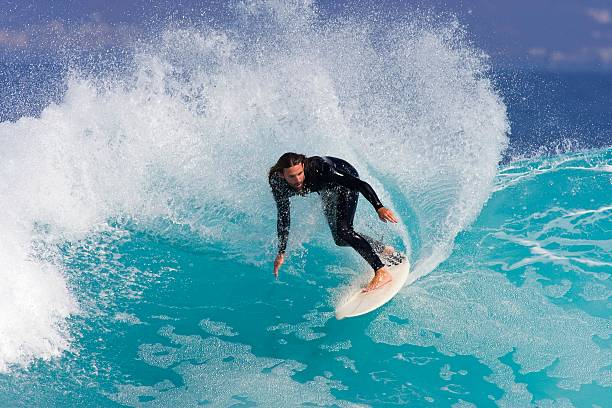
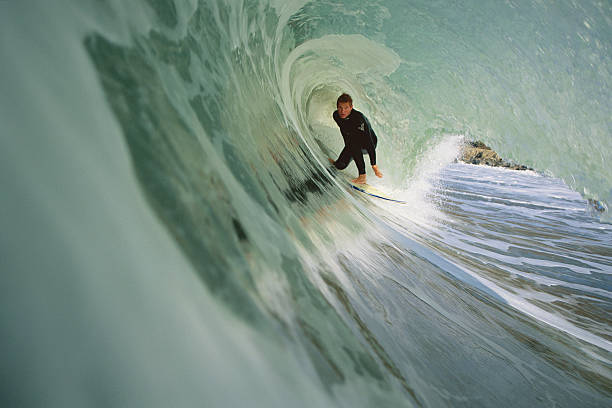
At its core, surfer lingo is about efficiency and vibe. In a constantly changing environment where seconds count, you need to convey complex information fast. Instead of saying, “Look out, a large wave is approaching from behind that will prevent us from paddling out,” you simply yell, “Outside!” It’s a warning and a heads-up all in one. Terms describe the wave’s form with poetic precision. A barrel (or tube) is the ultimate goal, the green room. Getting pitted is the act of being deep inside it. A close-out is a wave that breaks all at once, offering no ride, while a mush burger is a soft, crumbling, weak wave—total frustration.

But this language goes beyond describing conditions. It defines the hierarchy and etiquette of the lineup. The peak is where the wave first breaks, and the surfer closest to it has priority or right of way. To ignore this and drop in on someone is the ultimate sin, a quick way to earn stink-eye and a reputation as a kook. A kook isn’t just a beginner; it’s someone who, through ignorance or arrogance, disrupts the flow. They’re the one paddling through the peak, wearing the leash on their front ankle, or generally blowing the takeoff. Knowing the lingo shows you understand the culture, that you’ve put in your time and respect the lineup.

The vocabulary also captures the full emotional journey of a surf session. The stoke of a dawn patrol, finding glassy conditions with no kooks out. The agony of a flat spell or being skunked after checking the surf all day. You might have a shocker of a session where you can’t buy a wave, or you might get shacked all afternoon, coming in with a permanent stoke grin. Your quiver is your collection of boards, each for different conditions—your shortboard for ripping, your log for those small, crumbly days, your gun for when it’s double overhead and heavy.

This lingo is living, breathing, and constantly evolving with new generations, but its roots are deep in surf culture’s history. It’s a badge of belonging, a way to separate the grems from the legends. It’s spoken from the beaches of Bali to the points of J-Bay, a unifying code for the global tribe chasing the endless summer. So next time you’re in the car park checking the surf, listen up. Understanding whether it’s fat and sluggish or hollow and firing will dictate your equipment and your expectations. And when you finally get out back, a simple “Yew!” or “Sick one, brah!” to a stranger after a good ride speaks volumes. It’s the language of shared experience, of sun, salt, and stoke. Now get out there, listen, learn, and don’t be a kook.
Related Posts

Live Surf Cams

Surfline Live is a 24/7 glimpse into the world’s surf.

This stream moves through Surfline's global camera network, showing spots where it’s daylight and rated Fair or better.

What's The Deal With...?

Surf Lingo Explained

How important is gear choice for leveling up my game?

Hugely important, but it’s not about the latest pro model. It’s about the right tool for the waves you’re actually surfing and your current skill level. Riding a board that’s too small or advanced will hold you back. Chat with a good shaper or local shop about what you’re riding now and what you want to do. Sometimes, a simple change like a new fin set-up or a bit more volume can unlock a whole new level of speed and confidence. Don’t fight your equipment.

How do I truly embrace the surfing lifestyle?

It’s not just about time in the water. It’s the pre-dawn checks, the wax smell in your car, the repaired dings. It’s about environmental stewardship—leaving the beach cleaner. It’s the camaraderie in the lineup and the post-surf feed with your crew. It’s living with the rhythms of the swell and wind, and finding that balance where surfing fuels the rest of your life, not consumes it.

What does it mean to truly get barreled?

Getting properly barreled, or getting shacked, is the holy grail. It’s not just a quick cover-up; it’s when you’re fully enveloped in the spinning cylinder of the wave, the daylight gets blocked out, and you’re riding in a green room of pure energy. Time slows down. It’s a moment of pure, focused bliss. Making it out the other side with the spit spraying behind you is an unmatched feeling of accomplishment and pure stoke.

Surf History & Legends

What’s the deal with the “aloha spirit” Duke always talked about?

It’s the heart of surfing, brah. More than just a greeting, aloha is a way of life. It’s about respect—for the ocean, for the locals, for other surfers in the lineup, and for the sheer joy of riding waves. Duke lived it: sharing waves, helping others, and always carrying that positive energy. It means dropping the aggro, picking up your trash, and sharing the stoke. When you paddle out with true aloha, you’re honoring Duke’s legacy and making every session better for everyone.

Why did boards get so short in the late ’60s?

It was all about radical performance! Surfers wanted to rip harder, turn tighter, and fit deeper in the pocket. Inspired by Aussies and fueled by new materials, shapers like Dick Brewer and Bob McTavish started chopping down those classic long logs. The “shortboard revolution” gave us high-speed, vertical surfing. These new sticks were often under 7 feet, with pulled-in noses and multiple fins, allowing for the explosive, power-surfing we associate with modern pros. It was a total mindset shift.

What role do high-performance wave pools play?

Wave pools are a total game-changer, bro. They provide the perfect, repeating canvas for these surfers to try the gnarliest maneuvers without worrying about the lineup or a flukey ocean. Need to drill a specific air reverse 500 times? The pool’s your spot. It allows for focused, competitive practice year-round, anywhere. This consistent repetition builds muscle memory faster than ever, letting them land tricks in the ocean that were once pure fantasy. It’s like having a training gym, but for shredding.