
Jeffreys Bay: The Unrivaled Perfection of South Africa’s Surfing Crown Jewel

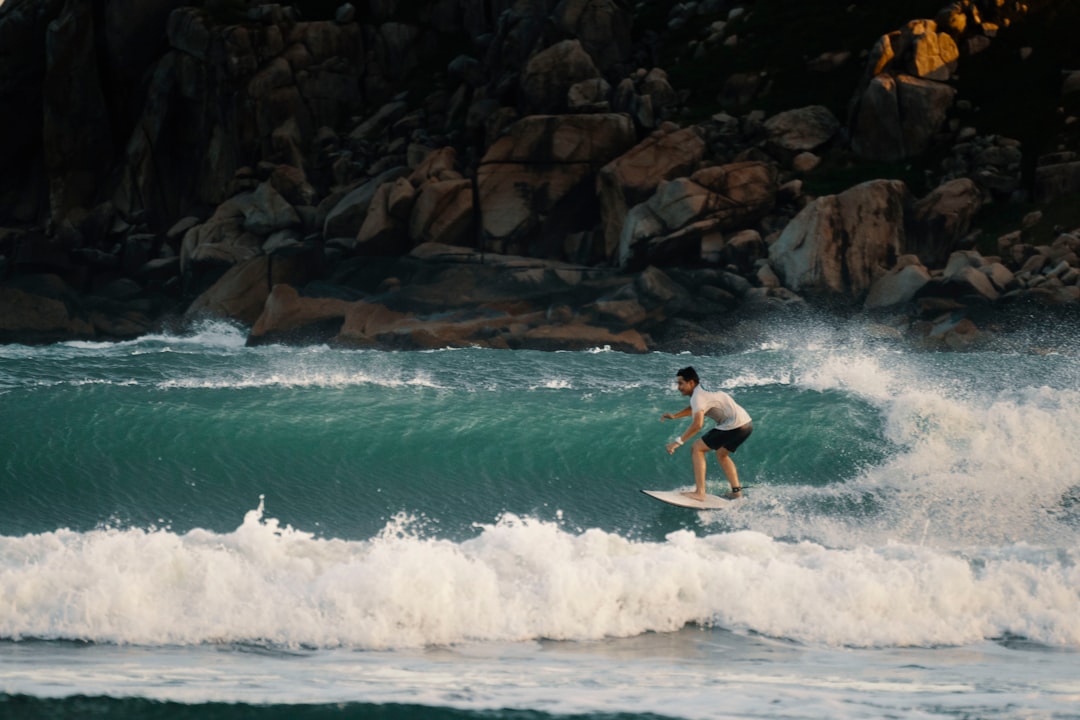
Let’s cut straight to the chase. If you’re chasing the dream, that perfect, endless wall they talk about in hushed tones from California to Cornwall, there’s one name that always drops: Jeffreys Bay. J-Bay. It’s not just a surf spot; it’s a pilgrimage. A right-hand point break so mechanically perfect, so absurdly long, that it redefines what a wave can be. This isn’t just a chapter in surf travel; for many, it’s the whole book.

Nestled in the Eastern Cape of South Africa, J-Bay isn’t some hidden gem you stumble upon. It’s a global icon, the marquee wave that made the “Supertubes” section a household name in every surfer’s vocabulary. The setup is pure geography magic. A deep-water canyon funnels all that Southern Ocean energy directly into a series of cobblestone points, creating a wave that can run for over a kilometer on its day. We’re talking a ride so long your legs burn, your mind blanks, and you’re just locked in, flying down the line with the throttle wide open.

The vibe in town is pure surf-centric stoke. It’s a place built by and for wave riders. You’ll clock the vans with boards strapped to the roof, the sun-bleached hair, and the easygoing shuffle of people who live by the tide chart, not the clock. The lineup, however, is a different beast. This is a heavyweights’ arena. With a spot this perfect and a reputation this big, you’re sharing the water with frothing groms, salty local legends, and the world’s best who flock here for the Championship Tour event. Respect is the absolute currency. Don’t be a snake, don’t drop in, and understand that the pecking order is real. Paddle out humble, watch for a set, and you’ll find your place.

But J-Bay isn’t a one-trick pony. While Supertubes is the headliner, the point offers different sections for different moods and abilities. “Boneyards” up the point is faster, more hollow, and heavier. “Impossibles” lives up to its name on a big day. And “Point” offers a more forgiving, but still classic, wall for those finding their feet. The key is reading the wind. The magic happens with a light offshore breeze, usually in the morning, grooming those lines into flawless, open canvases. When it’s on, it’s as close to surfing nirvana as it gets.

Life off the wave in J-Bay is just as dialed. The town is lined with surf shops stocked with every piece of equipment you could need, from fresh traction to the latest performance shortboards shaped specifically for point break speed. The cafes buzz with post-surf analysis over flat whites and breakfast burritos, and the bars hum at night with stories of the day’s best barrels. It’s a place where the surfing lifestyle isn’t an accessory; it’s the entire framework.

Sure, you need to be savvy. The water is cold, a 3/2 or 4/3 wetsuit is essential, and the infamous “J-Bay wind” can switch onshore and shut things down by midday. But that’s part of the chase. You watch the forecasts, you wait for the window, and when it aligns, you paddle out into something legendary. It’s the pursuit of that perfect ride, the endless summer feeling bottled into a single, breathtaking point. Jeffreys Bay isn’t just a destination; it’s a benchmark. A living, breathing piece of surfing history that continues to deliver the kind of waves that fuel the stoke for a lifetime. So get your boards ready, check the charts, and get ready to log some serious time on the rail. J-Bay is waiting.
Related Posts

Live Surf Cams

Surfline Live is a 24/7 glimpse into the world’s surf.

This stream moves through Surfline's global camera network, showing spots where it’s daylight and rated Fair or better.

What's The Deal With...?

Legendary Surf Spots

What’s the vibe and culture like off the beach?

The vibe is authentically Indonesian and deeply cultural. Sumba is home to the Marapu people, known for their incredible megalithic tombs and traditional villages. The pace is slow, the smiles are genuine, and the landscape is breathtakingly wild. It’s a humbling experience to witness ancient traditions. Respect is key—dress modestly in villages, ask before taking photos, and embrace the simple life. This isn’t a party island; it’s a place for connection, reflection, and pure stoke after a draining session.

How do you prepare your mind for heavy waves like Pipeline?

Mental prep is everything out here. It starts with visualization—seeing yourself taking the drop and making the tube. You build confidence in smaller, hollow waves first. Understanding oceanography, like reading the reef and currents at Pipe, is key. Most importantly, you cultivate a calm focus. Respect the power, but don’t let fear freeze you. It’s about committing fully once you’ve paddled in.

Which breaks should I check out depending on my skill level?

Beginners, head for Inch Strand on a mellow day—a huge sandy beach with forgiving rollers. Intermediate surfers can explore Brandon Bay’s variety, like the fun beach break at Maharabeg. When it’s pumping, experts chase the legendary reef and point setups around the Blasket Islands or Coumeenoole. Always, and I mean always, get a local forecast and check with the surf schools about conditions. Tides and winds shift radically here, turning a playful spot into a heavy closeout in no time. Local knowledge is your best piece of equipment.

The Surfing Life

What are the best foods for recovery after a long day in the water?

Post-surf, your muscles are screaming for repair. Aim for a mix of protein and carbs within that golden hour. A solid choice is grilled fish or chicken with some sweet potato and greens. If you’re on the go, a tuna poke bowl hits the spot perfectly. This combo helps rebuild muscle and replenish those glycogen stores you burned through. And don’t forget to rehydrate! Water is key, but tossing in some electrolytes helps replace what you lost sweating in your wetsuit.

How important is understanding surf history and lingo?

It connects you to the roots, brah. Knowing the legends, the board design revolutions, and the meaning of terms like “goofy foot,“ “kook,“ or “dawn patrol” gives you respect for the tradition. You’re not just repeating words; you’re speaking the language of a rich culture. It helps you communicate in the water and share stories properly. It’s about knowing where the sport came from to appreciate where it’s going.

Can beginners join the dawn patrol, or is it for experienced surfers only?

Beginners can totally join, but be smart about it. Choose a familiar, forgiving break—don’t try a new reef at first light. Let your more experienced pals know you’re coming. The lower light and potentially stronger morning currents can be challenging. Your pop-up might feel stiffer in the cool air! But learning in glassy conditions is amazing. Just know your limits, stay safe, and enjoy the peaceful atmosphere. Everyone started somewhere, and the dawn crew usually respects the stoke.