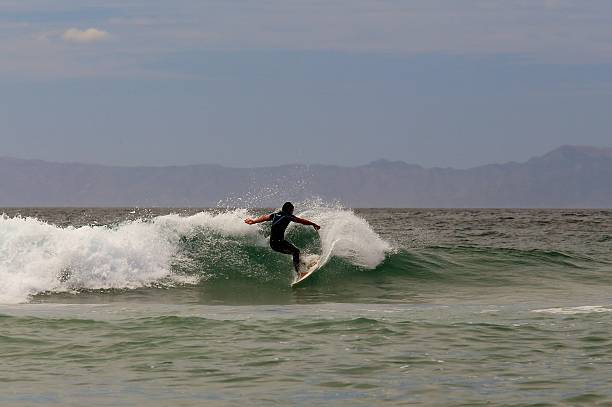
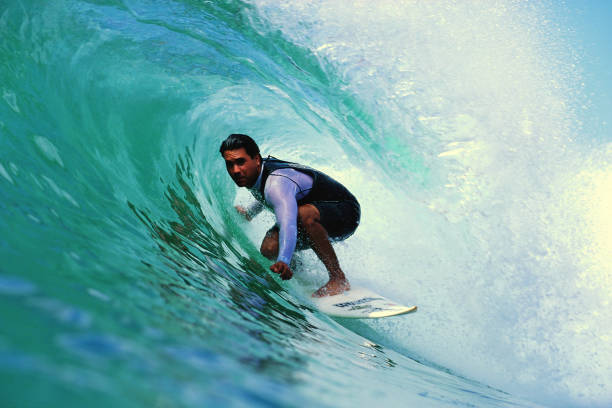
Forget the desk. The real office has a liquid floor, a saltwater view, and a commute that depends on the tide. The surf lifestyle isn’t something you buy off a rack; it’s a rhythm you tune into, a pursuit of the next wave that shapes everything from your home base to your passport stamps. It’s about chasing that feeling, the drop, the glide, the pure connection. This is about living it, and traveling for it.
At its core, this life is simple. It’s dawn patrol, waking before the world to check the swell, feeling that buzz in your gut when the buoys are lit. It’s the ritual of waxing up, feeling the familiar grip under your palms. It’s paddling out, duck-diving through the impact zone, and sitting on the lineup with a handful of others who speak the same silent language. The terminology isn’t jargon; it’s the daily report. You’re not just “going to the beach.“ You’re checking if it’s overhead and glassy, or knee-high and mushy. You’re looking for a peak that offers a clean left, or maybe a fast, tubing right. You’re not just riding a wave; you’re trimming, carving a bottom turn, setting a line, maybe getting shacked if you’re lucky. It’s a physical chess game played in moving water.
But let’s be real—no single beach fires on all cylinders, every day. That’s where the travel itch starts. The surf lifestyle is inherently nomadic, fueled by the dream of finding perfect, uncrowded waves. It’s the modern-day Endless Summer, chasing summer swells across hemispheres. Your gear becomes your most trusted luggage: a quiver of boards for different moods, from the high-performance shortboard for punchy beach breaks to the trusty fish or funboard for playful points, and maybe a step-up gun for when it gets heavy. You learn to pack light but right—a couple of boards, a few suits, a block of wax, and a solid sense of adventure.
Surf travel isn’t about five-star resorts. It’s about dirt roads leading to secret spots, renting a beat-up 4x4, and camping on a cliffside. It’s about respecting the locals, because every break has its own vibe and hierarchy. You score a remote Indonesian archipelago, trading stories with other travelers in a losmen after a day of draining left-handers. You wait for a window in the North Atlantic for a cold, powerful reef break, suited up in 5mm of rubber. You find a mellow point break in Central America where the waves just keep coming and the pace of life slows to match the swell. The goal is always the same: to get barreled, to get a long, screaming ride, to simply be in the water somewhere new.
This life is also about the times between sessions. It’s the repair ding on your board, a badge of honor from a closeout. It’s analyzing surf forecasts like a meteorologist, understanding wind swells versus ground swells. It’s the community—the crew you paddle out with at home and the instant bond with a stranger in the water halfway across the globe who just shared a set with you.
Ultimately, the surf lifestyle and travel are one and the same: a commitment to the search. It’s about prioritizing stoke over convention, sun-bleached hair over a perfect haircut, and a well-worn board over a fancy car. It’s knowing that the best wave of your life might be just over the next horizon, and being ready to go find it. So keep your eyes on the charts, your boards ready, and your mind open. The world is full of empty lineups and dawn patrols waiting to be discovered. Just go.