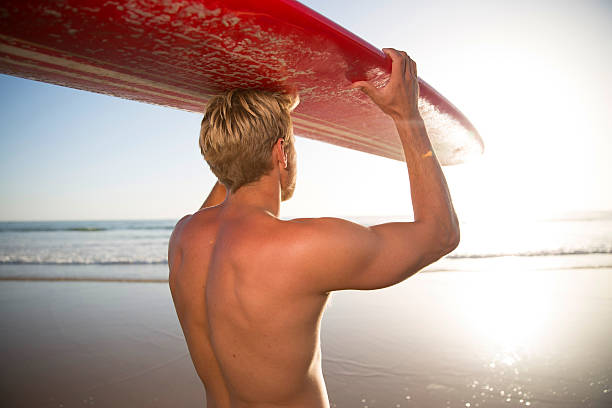
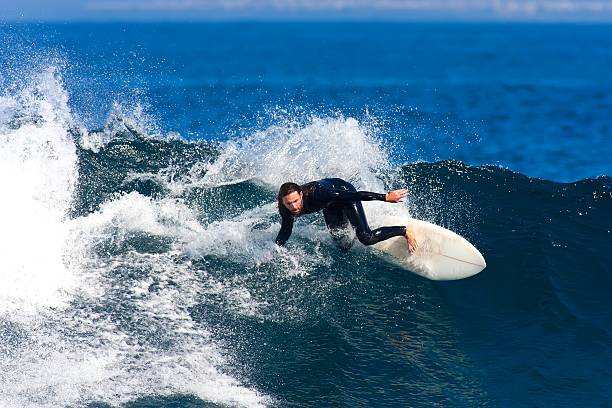
Forget the trophies and the magazine covers for a second. A true surf icon isn’t just about the biggest airs or the heaviest tubes. It’s about something deeper—the soul they pour into the sport and the culture. These are the characters, the pioneers, and the hellmen who defined what it means to chase the stoke, and in doing so, became legends we look up to.
You gotta start in the water, and that means talking about Duke Kahanamoku. The man wasn’t just an Olympic swimmer; he was the Ambassador of Aloha. In the early 1900s, he took the ancient Hawaiian art of heʻe nalu and shared it with the world, from California to Australia. He was the original waterman, a figure of grace and power who reminded everyone that surfing is, at its heart, a celebration of the ocean. He’s the root of the tree.
Then you’ve got the guys who looked at a wave and saw a blank canvas. Miki Dora was the ultimate rebel, a maestro at Malibu in the 60s who turned noseriding into an art form and gave the middle finger to the growing commercial surf scene. He was style incarnate, all coiled grace and attitude. On the other side of the world, you had Aussie Michael Peterson, a reclusive genius who surfed with a ferocious, intuitive flow that seemed to rewrite what was possible on a single-fin. These cats weren’t just surfers; they were artists, and the wave was their medium.
The modern concept of the surf hero, though, got blasted into the stratosphere by one man: Kelly Slater. Let’s be real, the guy is the GOAT for a reason. Eleven world titles is a stat that might never be touched, but it’s the how that cemented his icon status. He dominated for decades, constantly evolving, pushing progression in waves from two-foot slop to Pipeline. He made the rest of the tour look like they were standing still for a good twenty years. He’s the benchmark, the ultimate competitor.
But heroes aren’t only found in the contest jersey. Some are defined by pure, unadulterated commitment to the unknown. Laird Hamilton is a force of nature. He didn’t just ride big waves; he reinvented how to ride them. Tow-in surfing, the hydrofoil, charging waves like Teahupo’o when it was just a whispered myth—Laird expanded the very map of what was considered rideable. He’s the archetype of the big-wave hellman, blending innovation with sheer guts.
And then there are the souls who define the spirit. Andy Irons was that guy. His rivalry with Slater was the stuff of legend, a raw, emotional battle that brought a fire back to the tour. He wore his heart on his sleeve, surfed with a passionate, powerful fury, and his struggles made his humanity painfully clear. His passing left a hole in the surf world because he represented the beautiful, messy, all-in passion that every surfer feels. He was one of us, just with otherworldly talent.
These icons, from Duke to Andy, gave us more than just maneuvers. They gave us style, attitude, innovation, and a deeper connection to the ocean. They’re the ones you think about when you’re paddling out on a cold dawn, or when you see a set line on the horizon. They’re the reason you want to tweak your bottom turn a little more, seek out a new slab, or just sit on your board with a deeper appreciation for the glide. They shaped the culture, and in doing so, they became part of the stoke that keeps us all coming back, session after session, chasing that endless summer feeling.