Layne Beachley: Queen of the Waves

When you talk about the absolute legends of surfing, the names that get thrown around are usually guys. But any surfer worth their salt knows that one of the most dominant, powerful, and downright inspiring figures to ever paddle out is Layne Beachley. Forget just women’s surfing; for a solid chunk of time, Beachley was the most successful competitive surfer on the planet, period. Her story isn’t just about trophies, though she’s got a cabinet full. It’s about pure grit, a style as powerful as a Hawaiian close-out, and a resilience that came from battling more than just the ocean.

Hailing from Manly in Sydney, Beachley was a natural from the get-go, but she carved her path the hard way. In an era when women’s surfing was fighting for prize money and respect, she didn’t just ask for a seat at the table; she built her own table and then proceeded to win everything on it. Her competitive peak was nothing short of terrifying for her opponents. We’re talking seven world titles, with six of them won back-to-back from 1998 to 2003. Let that sink in. Six years straight of being the best in the world. That level of consistency is almost unheard of. It wasn’t luck or a few good heats; it was a relentless, year-in, year-out demonstration of technical mastery and competitive fire.

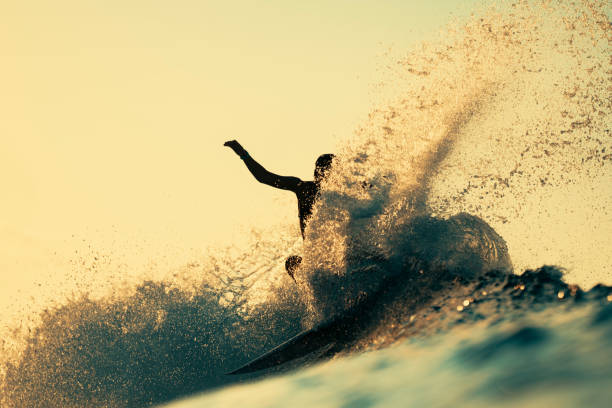
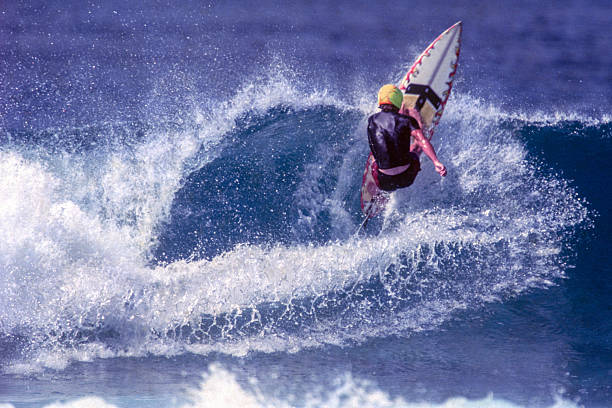
Her surfing was a reflection of her mindset: powerful, precise, and aggressive. She didn’t just surf the wave; she attacked it. On a pointbreak or in heavy beachies, Beachley’s style was all about committed rail turns and a fierce determination to extract every last bit of speed and power from a section. She surfed like the title was on the line every single wave, which, for her, it usually was. She was the complete package—a threat in small, tactical conditions and a force of nature when it got overhead and critical.

But the real mark of an icon isn’t just the wins; it’s how they handle what life throws at them outside the jersey. Beachley’s personal journey is the stuff of legend. Adopted as a baby, she later faced the profound challenge of meeting her birth mother, only to be rejected. She’s been brutally open about her battles with depression and the chronic fatigue that threatened to end her career. This wasn’t some untouchable superstar; this was a human being dealing with heavy stuff, who still managed to paddle out and put on a clinic. That toughness, that ability to face the inner demons and the outer reef breaks with the same steely resolve, is what cemented her status as a true hero.

After hanging up the competitive singlet, she didn’t just kick back. Beachley has been a massive voice for ocean conservation, a champion for women in sport, and a mentor to the next generation of grommets. She still charges, too, proving that the stoke doesn’t fade when the contest sirens stop.

So, when you’re talking about surfing icons, Layne Beachley’s name needs to be in that conversation, no question. She’s the Queen of the Waves because she earned it, not just by dominating the tour, but by showing everyone what it means to surf, and live, with heart, power, and an unbreakable spirit. She’s a reminder that the best surfer out there is the one having the most fun and fighting the hardest, and for a long time, that was Layne, without a doubt.
Related Posts

Live Surf Cams

Surfline Live is a 24/7 glimpse into the world’s surf.

This stream moves through Surfline's global camera network, showing spots where it’s daylight and rated Fair or better.

What's The Deal With...?

Surf Icons & Heroes

Where did he surf after leaving California?

Da Cat went fully nomadic, chasing the endless summer long before it was a film tagline. He scored epic waves in South Africa, became a regular in France, and explored remote reefs in the South Pacific. This exile period was his ultimate expression of freedom—surfing perfect, empty waves far from the Malibu mob. These years solidified his legend as the original globe-trotting surfer, proving that the best search is for uncrowded perfection, with no fixed address.

How does Kelly Slater train and stay in shape?

It’s not just paddling, bro. His regimen is next-level. He mixes intense water sessions with dry-land training: think yoga for flexibility, breath-hold exercises for big hold-downs, and functional strength workouts. He’s big on cardio and endurance, often using a VersaClimber. Diet is key too—mostly plant-based, clean fuel. But his biggest secret? He’s just in the ocean constantly. That muscle memory and wave knowledge from a lifetime of surfing is the ultimate training. His discipline is as sharp as his surfing, which is why he’s still competing with the young guns.

How is he involved in the surf community today?

Tomson remains a massive influence, not as a competitor, but as a mentor and storyteller. He speaks at events, shares his “Code” with stoked grommets, and advocates for ocean conservation. He’s a respected voice who connects surfing’s soulful past to its present, always emphasizing respect for the ocean and each other. You’ll find him sharing stories, inspiring the next generation, and occasionally still getting shacked at his home breaks, living the ethos he preaches.

Surf Gear & Brands

What are the signs I need to replace my leash, like, yesterday?

Check for the obvious: any fraying or cuts in the urethane cord is a red flag. If the swivels are seized up or rusty, that’s another. A Velcro cuff that’s lost its stick is a sure sign. Most importantly, if it’s been through a proper hold-down or a major tangle, retire it even if it looks okay. Internal stress weakens it. A blown leash can turn your board into a runaway missile—not cool for you or anyone in the lineup.

What’s the best way to find a local shop that really knows their stuff?

The best bet is to ask the crew in the lineup! Local surfers always know which shop has the most knowledgeable shapers and staff. A proper core shop will feel more like a clubhouse than a store. They’ll ask about your ability, the breaks you frequent, and what you’re feeling in the water. This intel lets them point you to the perfect stick or wetsuit. Supporting these spots keeps the local surf culture thriving and ensures you get gear that’s right for your home break.

Can I get good deals on used gear, and where?

Totally! Used gear is a score for your wallet and the planet. Check local shop consignment racks, dedicated surfboard resale shops, and online marketplaces like Craigslist or Facebook groups for your specific region. Inspect for major dings, delamination, or serious pressure dents. Often, you can find barely-ridden boards for a fraction of the cost. It’s a classic way to try a different shape without the full investment. Just make sure to give it a proper check-over before you hand over the cash.