Forget the spray, the sponsors, and the screaming fans on the beach. Look past the latest high-performance shortboard and the Instagram clips set to heavy bass. There’s a deeper current running through our sport, a quieter, more profound experience that many of us chase long after the contest horns go silent. It’s called soul surfing, and it’s not just a style—it’s the heart of the surfing life.
So, what is it? In a nutshell, soul surfing is surfing stripped back to its absolute essence. It’s the pursuit of waves for the sheer, unadulterated joy of the act itself. No scorecards, no cameras (unless you’re grabbing a few snaps for the crew later), and no agenda other than feeling that connection. It’s about the glide, the dance with the ocean’s energy, and that silent, stoked-out grin you wear for hours after a good session. It’s the feeling Bruce Brown captured in The Endless Summer—not just the travel, but the pure, simple stoke of finding and riding waves, anywhere on the planet.
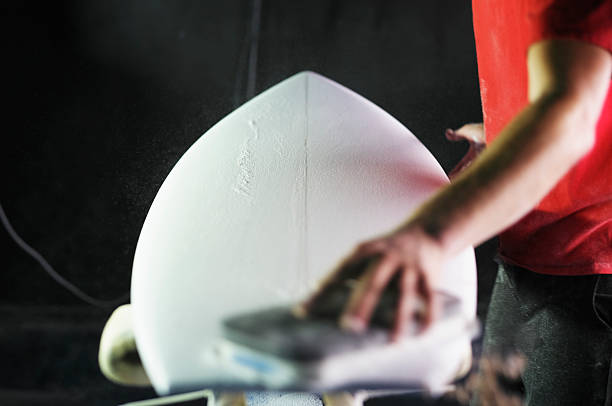
The gear often reflects the mindset. You’ll see soul surfers on all kinds of craft, but there’s a definite lean towards boards that enhance the feeling, not just the maneuvers. Think single fins, twin fins, logs, and eggs—boards designed for smooth lines, trim, and a more drawn-out conversation with the wave face. It’s less about explosive snaps and more about drawing a line, finding the sweet spot, and feeling the board hum under your feet. The equipment becomes an extension of the intent: to flow, not fight.
This philosophy bleeds directly into the surfing lifestyle away from the water. It’s a mindset of simplicity and respect. It’s about watching the horizon not just for swell, but for the way the light hits the water at dawn. It’s about knowing the tides, the winds, and the rhythms of your local break like you know your own heartbeat. The soul surfer is often the one picking a bit of trash off the beach on the way back to the car, understanding that the ocean is a gift, not a given.
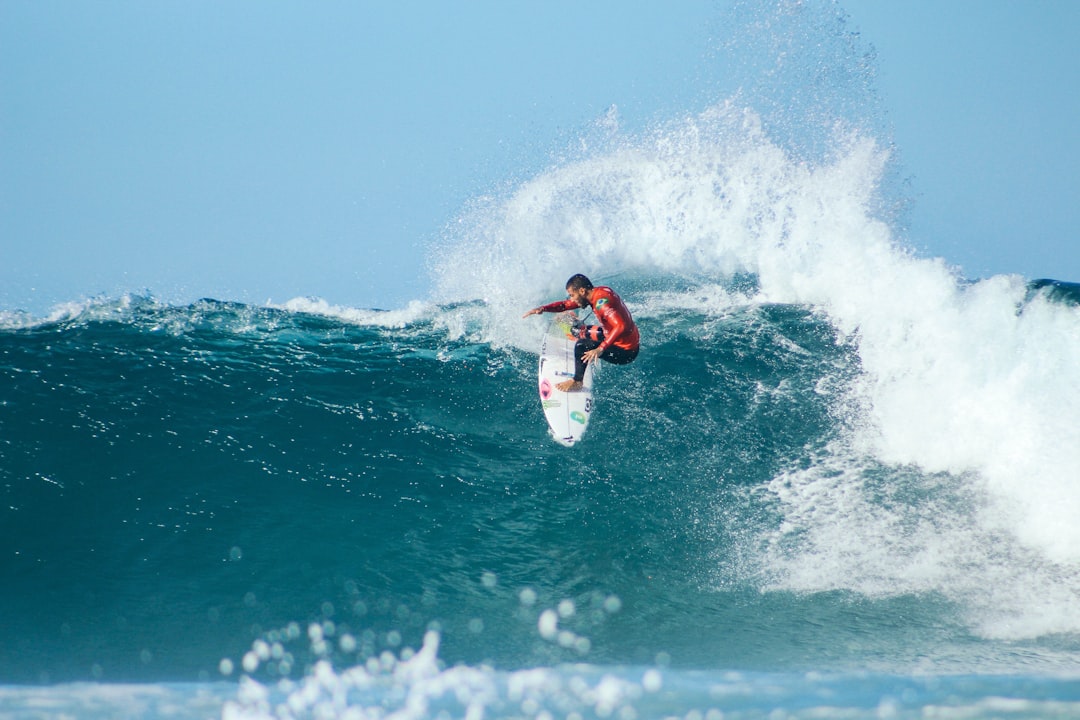
Don’t get it twisted—soul surfing isn’t about being slow or unskilled. Some of the most stylish, powerful surfers on earth operate with this ethos. It’s about why you’re doing it, not what you’re doing. A soulful turn is one that feels right for the wave, that comes from a place of instinct and harmony, not just a pre-programmed move from a latest edit. It might be a deep, committed bottom turn on a juicy point wave, or a cross-stepping nose ride on a mellow summer roller. The context defines the act.
In today’s world of saturation and hype, the soul surfing path is a conscious choice. It’s choosing the uncrowded dawn patrol over the midday zoo. It’s chasing fun, playful waves with a few good friends instead of battling the pack at a premier break just for the prestige. It’s about the journey—the road trip, the campfire, the shared silence after an epic session—as much as the destination.
Ultimately, soul surfing is the core of why most of us started in the first place. Before we knew what a thruster was or who the world champ was, we felt it: that inexplicable pull, the magic of standing on a moving wall of water. It’s about protecting that feeling, keeping it sacred. It’s the quiet understanding that the best surfer in the water isn’t the one with the most tricks, but the one having the most fun, riding with the most heart. That’s the purest connection. That’s the surfing life, right there.