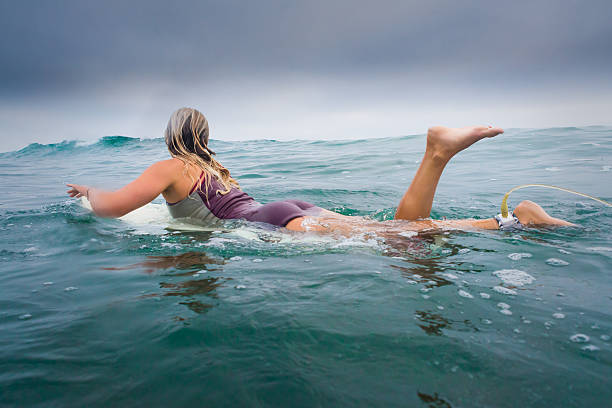
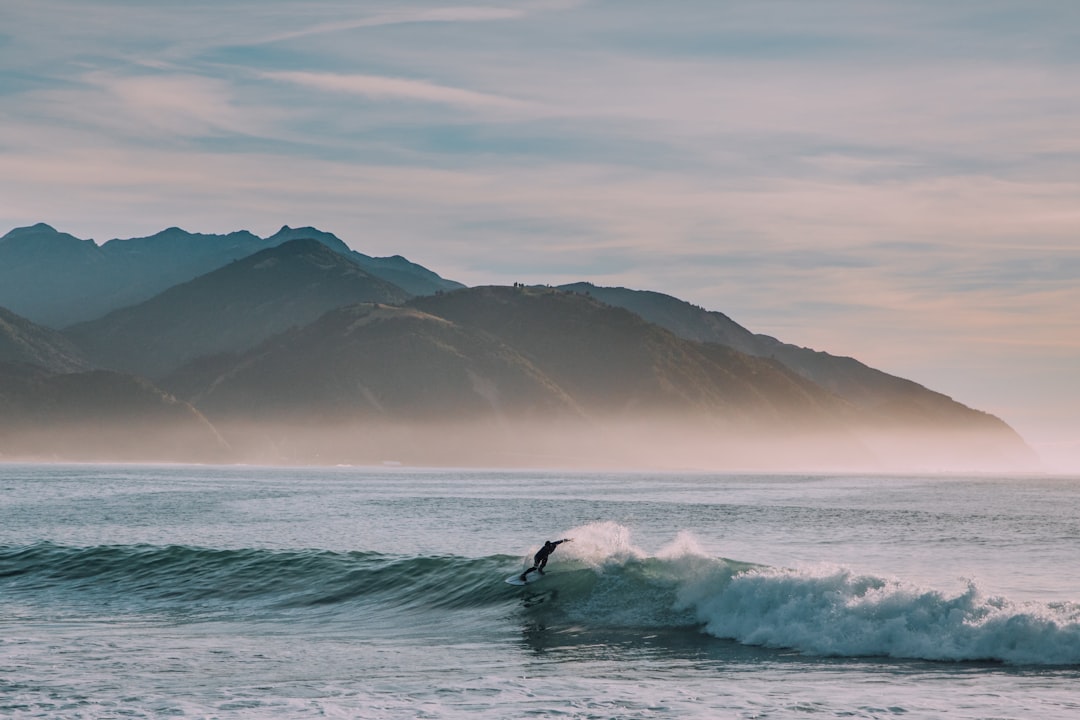
Hitting the road, or more accurately, the skies, on a solo surf mission is one of the most rewarding experiences a surfer can have. It’s pure freedom—your schedule, your spots, your vibe. But going it alone requires a different mindset than rolling with a crew. It’s about being self-reliant, smart, and open to the magic that happens when you’re the only stranger in the lineup. Here’s how to make your solo surf travel adventure epic, not problematic.
First up, research is your best friend, but keep it loose. You want to know the basics: visa requirements, seasonal swell patterns, and the general vibe of the area. Is it a heavy reef pass or a mellow beach break? Are the locals known for being chill or territorial? Understanding the lineup hierarchy can save you a lot of hassle. Pack light and pack right. You’re your own pack mule, so a good travel-friendly board bag, a quiver that covers most conditions (think a good daily driver and a step-up), and a minimal yet functional wardrobe are key. Don’t forget a basic first-aid kit and a few spare fins and plugs—you won’t have a buddy to borrow from when something snaps.
When you land, your first mission is to find a place to stay that puts you in the zone. Look for a legit surf camp, a hostel near the break, or a local guesthouse. These spots are gold for solo travelers. You’ll instantly have a potential crew to share dawn patrol with or swap stories over a post-surf beer. That initial connection can point you to the best taco stands, which breaks are working with the current wind, and who to avoid in the water. Speaking of the water, your approach in the lineup is everything. Go in humble. Spend time observing from the beach. Understand the rhythm of the sets, where the channel is, and who’s getting the waves. A simple nod and a smile go a long way. Wait your turn, don’t drop in, and if you get a good one, give a thanks to the crew on the shoulder. Earning a bit of respect means you’re more likely to get a tip about a secret spot later on.
Safety is a non-negotiable, especially when you’re alone. Always let someone know where you’re going, even if it’s just the hostel manager. A quick “heading to the main point, back for lunch” does the trick. Pay attention to local knowledge about currents, urchins, or reef cuts. Your judgment is your only lifeline, so if something feels off—the wave is too heavy, the current is gnarly, the vibe is tense—listen to that gut feeling and paddle in. There’s no shame in living to surf another day. On land, keep your wits about you like you would in any new place. Don’t flash fancy gear, be aware of your surroundings, and trust your instincts.
But the real juice of solo surf travel isn’t just about scoring empty waves; it’s about the experience. You’ll have moments of pure solitude, just you and the ocean, that are profoundly grounding. You’ll also be forced to connect, to strike up conversations with locals and other travelers you might otherwise hide behind your friends. Be open to it. Say yes to the invite for a road trip up the coast, try the weird-looking local dish, and learn a few phrases of the language. These are the stories you’ll tell for years. The goal is to chase that feeling of The Endless Summer—the timeless stoke of finding perfect waves and friendly faces under a foreign sun. Traveling solo strips everything back to that pure essence. So do your homework, stay sharp, but most importantly, stay open. The journey is the destination, and going it alone might just be the best way to truly find it.