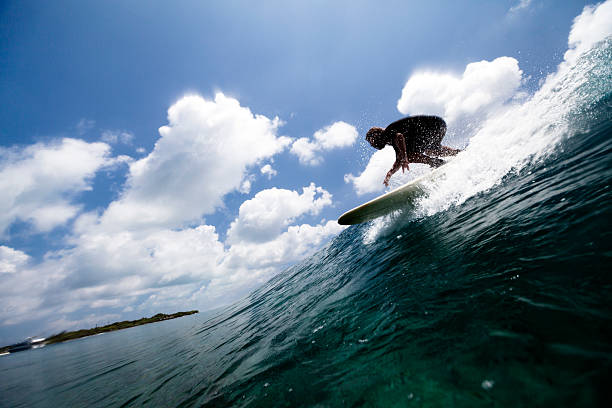
Forget the fads and the fancy labels you see in some health food shop window. The surfer’s diet isn’t about counting calories or following some strict regime written by a guy who’s never seen a sunrise from the line-up. It’s about one thing: fuel. It’s about putting the right stuff in your tank so you can paddle harder, surf longer, recover faster, and chase that feeling—the stoke—from dawn patrol until the last light fades. This is eating with a purpose, and that purpose is more waves.
Think about what we do out there. It’s not just standing on a board looking cool. It’s a full-body workout. You’re battling whitewater, duck-diving overhead sets, sprint-paddling for a peak, and then exploding to your feet. That burns serious energy. If you’re running on empty—on a belly full of greasy fries and a sugar crash from a soda—you’ll be gassed before your second wave. Your brain gets foggy, your reactions slow, and suddenly you’re missing sections and taking closeouts on the head. Not ideal.
So, what’s on the menu? It’s simple, whole food that works as hard as you do. For the dawn patrol warrior, it starts the night before. A solid dinner with complex carbs like sweet potato or brown rice, some clean protein like grilled fish or chicken, and a heap of veggies. That’s your foundation. When the 5 AM alarm screams, you need something quick that won’t sit like a brick in your gut. A banana with a swipe of almond butter, a bowl of oatmeal with some local honey, or a smoothie packed with spinach, frozen berries, and a scoop of protein. It’s about getting a slow-burning energy source that’ll see you through that first crucial session.
Hydration is everything. The ocean is deceiving. You’re in water, but you’re sweating, sun-baked, and working hard. Dehydration is a silent wave-killer. Water is your best friend, all day, every day. Coconut water is a killer natural option for replacing electrolytes after a long session—nature’s sports drink, straight from the source. And leave the sugary, artificially colored drinks on the shelf; they’ll just leave you thirstier.
Post-surf is where the magic happens for recovery. Your muscles are screaming for repair. This is when you refuel smart. A big plate of poke or fish tacos with lots of fresh salsa and avocado is the ultimate surfer’s meal. You’ve got lean protein, healthy fats, and a hit of vitamins. Eggs are a staple for a reason—packed with protein and good fats to keep you firing. And don’t shy away from good carbs after a burn; they replenish your glycogen stores so you’re ready for the next session.
It’s also about listening to your body, your ultimate guide. Some guys can surf for four hours on a handful of nuts and an apple. Others need more. The key is to eat like you surf: with awareness. Notice what foods make you feel light, energetic, and ready to go. Notice what makes you feel sluggish and slow. Your performance in the water is the best feedback you’ll ever get.
At the end of the day, the surfer’s diet isn’t a restriction; it’s an enabler. It’s about respecting the temple so you can log more water time. It’s about choosing foods that come from the sun and the sea, just like the energy we’re chasing. Because when you’re fueled right, you’re not just surviving out there—you’re thriving. You’re sharper, stronger, and more connected to the rhythm of the ocean. And that, brothers and sisters, is how you keep the stoke fed and the dream of the endless summer alive, one real meal at a time.