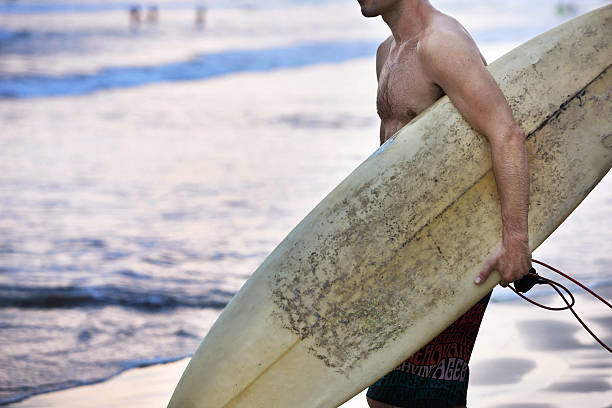
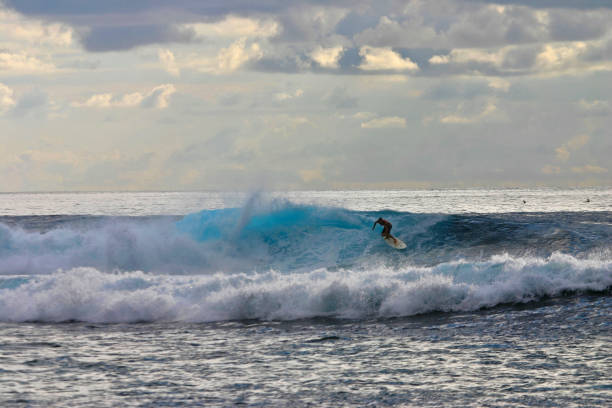
You can buy the best board, the slickest wetsuit, and chase the most epic swell forecast on the planet. But if you’re paddling out alone, you’re missing the core of what surfing is all about. The real soul of this lifestyle isn’t just found in the barrel; it’s found in the crew, the tribe, the lineup of familiar faces who share the same saltwater heartbeat. Finding your people in the surfing world isn’t about popularity; it’s about connection. It’s about locking into a community that gets it.
Think about it. Who’s hyping you up from the shoulder when you finally stick that first clean bottom turn? Who’s sharing a greasy post-session feed, dissecting every section of the morning’s waves? Who’s got your back when a localism vibe gets a little too agro, or when you need a shuttle back up the point? That’s your tribe. These bonds are forged in the pre-dawn darkness, pulling up to an empty beach with your buddies, the only sound the crunch of tires on gravel and the distant rumble of the ocean. It’s a silent understanding, a shared mission. You suit up together, wax up, and paddle out into the unknown, a unit.
Your local break is the most natural starting point. Show up consistently, not just when it’s firing. Respect the pecking order, take your lumps on the inside, and earn your place. A simple nod, a “how’s it out there?” to a regular can be the start. It’s not about being the best surfer in the water; it’s about being a good vibe in the lineup. Don’t be a snake, don’t drop in, and always give respect to get respect. Before long, you’ll start recognizing the dawn patrol crew, the weekend warriors, the shaper who tests his own boards here. These are the faces of your home break tribe, the crew that defines your everyday surf experience.
But your tribe extends beyond your home turf. The surfing community is a global network, connected by a shared obsession. Traveling for waves is the ultimate tribe-finder. Roll up to a remote camp in Indo or a dusty hostel in Central America, and you’re instantly among family. The language of surfing transcends borders. You might not speak the same native tongue, but you both speak “wave.” Stories are exchanged over Bintangs, plans are hatched for the next morning’s mission, and suddenly you’ve got a new crew to share the journey with. These travel tribes are intense and beautiful—brief, powerful connections built around the pursuit of stoke.
Then there are the more formal crews: surf clubs, boardriders associations, environmental cleanup groups, or even just a tight-knit group that all get their sticks from the same local shaper. These tribes often have a deeper purpose—preserving beach access, mentoring groms, or simply organizing a weekly surf check and coffee. Getting involved here roots you deeper into the culture. You’re not just a surfer; you’re a steward, a participant, a link in the chain.
At the end of the day, your surfing tribe is your anchor. They’re the ones who understand the compulsive glance at the surf cam, the frustration of flat spells, and the pure, unadulterated joy of a perfect day. They’re your safety net in heavy water and your celebration committee on the beach. So get out there. Paddle out, share waves, share stories, and be open. The waves will come and go, but the crew you build along the way? That’s what makes the surfing life truly endless. That’s your tribe. Find them, and you’ve found the real heart of this thing we do.