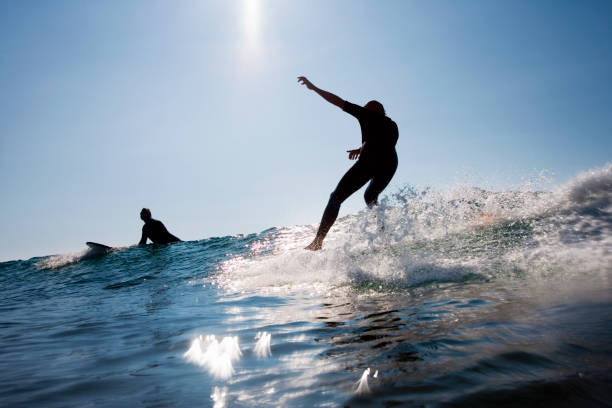
You hear the word thrown around a lot in surf shops and on travel blogs—Aloha. For many, it’s just the Hawaiian word for “hello” and “goodbye.“ But if you think that’s all it is, you’re missing the point entirely, and you’re missing the very foundation of what our surf culture is built on. The Spirit of Aloha isn’t a souvenir; it’s a code. It’s the heartbeat of surfing, and understanding it is key to understanding why we do this crazy thing in the first place.
In its purest sense, Aloha is about mutual regard, respect, and affection. It’s a profound connection that extends beyond people to the land and the sea—the `ʻāina` and the `kai`. For surfers, this isn’t some abstract, hippie concept. It’s practical, everyday stuff. It’s acknowledging your fellow surfer in the lineup with a nod or a “howzit.“ It’s not dropping in on someone’s wave. It’s sharing stoke when someone gets a good one, even if you’ve been sitting out there for an hour waiting for your own. It’s picking up a piece of trash on the beach on your way back to the car. This is Aloha in action. It’s the opposite of the localized, aggro vibe that sometimes infects crowded breaks. It’s remembering that we’re all out there for the same reason: to connect with the ocean’s energy.
This spirit is deeply woven into surfing’s history. The ancient Hawaiians didn’t see surfing as just a sport or a pastime; it was an art form deeply connected to their society, religion, and community. Chiefs and commoners rode waves together, and the act itself was a celebration of skill, nature, and `mana` (spiritual energy). When you paddle out today, you’re stepping into that lineage. Respecting the locals, respecting the spot, and respecting the ocean itself is a direct link back to that original surfing ethos. It’s about humility. The ocean is the boss, and we’re just visitors in its house.
So how do you live it, especially if you’re not in Hawaii? It starts with your attitude. Chasing the endless summer isn’t just about scoring perfect waves; it’s about how you travel through the surf world. When you roll into a new town, don’t just rush to the peak. Chat with the crew in the water. Support the local shaper instead of just buying off the rack. Understand that some spots have a history and a hierarchy, and charging through it with no respect is the ultimate kook move. The spirit is about giving before you take.
It also means looking after your own. The surf community can be a tribe. We watch each other’s backs in big surf. We share knowledge about boards, technique, and forecasts. We build each other up. That feeling you get when you’re trading waves with your friends, hooting each other into sets, that’s pure Aloha. It’s a shared experience that goes deeper than words.
Ultimately, the Spirit of Aloha is what separates a surfer from someone who just stands on a board. It’s the recognition that surfing is more than a ride; it’s a relationship. A relationship with the powerful, unpredictable ocean, and with the global family of people who are drawn to it. It’s about leaving a place better than you found it, in the water and on the sand. So next time you paddle out, bring more than just your board. Bring respect, bring stoke, bring a sense of shared belonging. That’s the real soul session. That’s Aloha.