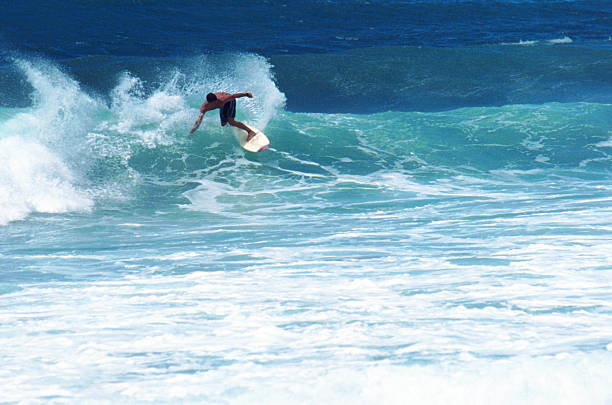
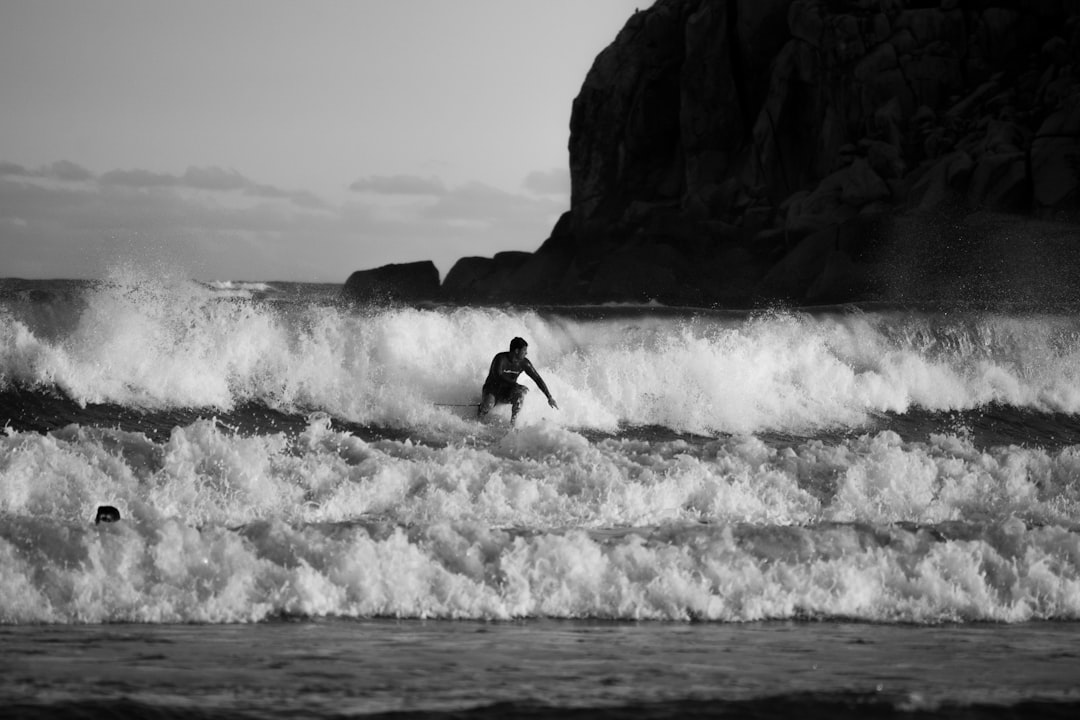
Let’s cut through the foam. To the outsider, surfing looks like a solo act—one person, one board, one wave. But any surfer who’s spent more than a dawn patrol in the water knows the truth: the soul of this sport isn’t carved into a polyurethane blank; it’s woven into the fabric of the people who ride them. Surf culture, at its core, is a community. It’s a global tribe connected by saltwater, stoke, and a shared understanding that the ocean is the real boss.
Forget the Hollywood version of territorial locals snarling at grommets. That’s a cartoon. The real surf community operates on a nuanced, time-tested code. It’s about respect. Respect for the spot, for the locals who’ve logged years there, and most importantly, for each other in the lineup. The rules aren’t posted on a sign; they’re felt. Don’t drop in. Don’t snake. Paddle around the peak, not through it. Apologize if you blow it. This isn’t about being elitist; it’s about safety, order, and fairness in a chaotic, moving arena. It’s how eight strangers can share a peak, trading waves and hoots, without a word being spoken. That mutual respect is the foundation everything else is built on.
This community thrives on shared stoke. It’s the nod you get from the guy paddling out as you’re kicking out of a screamer. It’s the hoot from the channel when someone gets shacked. It’s the post-session debrief in the parking lot, where waves are relived in animated detail—“You shoulda seen the spit on that one!” This stoke is the currency of the tribe. It’s passed from old salt to frothing grom, from coldwater warrior to tropical traveler. It’s what has us chasing the sun from Trestles to Tavarua, living our own version of The Endless Summer, not just for perfect waves, but for those moments of connection with people who speak the same liquid language.
And that language matters. Our slang is a shibboleth. Talking about a “glassy morning,” a “closeout,” or a “dawn patrol” instantly identifies you as part of the crew. It’s a shorthand that bonds. This extends to the gear talk, the deep dives into rocker, fin setups, and which epoxy is best for a groveler. But it’s more than shop talk. It’s the shared knowledge passed down: which tide works for that reef, how to read a new swell, how to repair a ding with solarez. This isn’t hoarded information; it’s shared freely among the tribe, elevating everyone.
The surf community also shares a profound, unspoken connection to the ocean. We’re not just using it; we’re guests in its house. This breeds a natural environmentalism. You don’t pollute your own playground. Picking up trash, advocating for clean water, protecting coastal ecosystems—these aren’t political statements for most surfers; they’re instinct. We feel the water quality degrade, we see the plastic in the lineup, and we act. Because the community’s home is at stake.
Ultimately, the surf community is your crew. It’s the faces you see at first light, season after season. It’s the crew you travel with, splitting costs on a dusty van in Baja or a bunk in a Indo losmen. It’s the text thread lighting up when the buoys jump. It’s a network that stretches across continents, connected by the simple, powerful fact that we all find joy, challenge, and peace in the dance with a wave. So next time you paddle out, look around. It’s not just a crowd. It’s your tribe. Respect it, contribute to it, and share the stoke. That’s what keeps the heart of the lineup beating.