The Shortboard Revolution

Live Surf Cams

Surfline Live is a 24/7 glimpse into the world’s surf.

This stream moves through Surfline’s global camera network, showing spots where it’s daylight and rated Fair or better.

What’s The Deal With…?

Surfboard Evolution

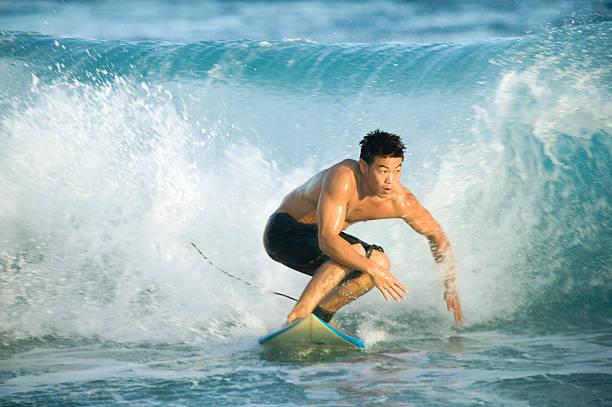
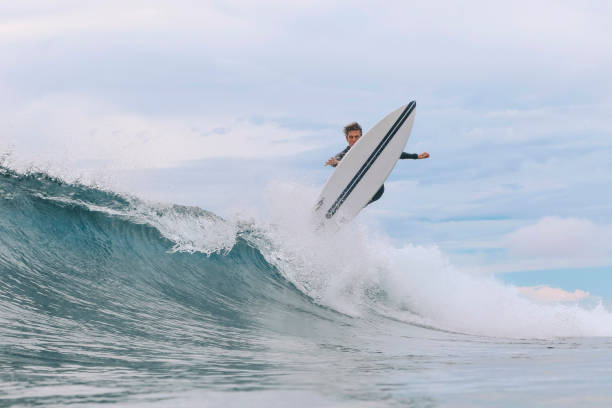
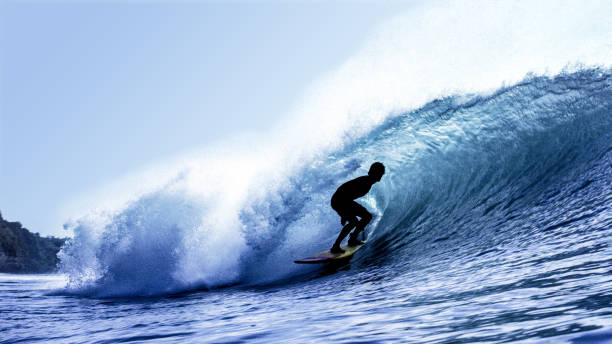
Give it some juice! Shortboards thrive in good, chest-high-plus waves with some push and a defined pocket. They need a wave with enough power to generate speed for turns. While you can ride a shorty in small stuff (if it’s a groveler shape), they truly come alive in hollow, barreling waves or clean, peeling walls where you can unleash your full repertoire of carves and snaps.

Bob McTavish, with his “V-bottom,“ and Dick Brewer, shaping for pros on the North Shore, were pivotal shapers. Surfers like Midget Farrelly, Wayne Lynch, and most famously, Nat Young (winning the ’66 World Contest on “Sam”) proved these new sticks worked. In Hawaii, Gerry Lopez mastered the pipeline on shorter, more maneuverable boards. These pioneers showed the world what was possible when you traded stability for high-performance.

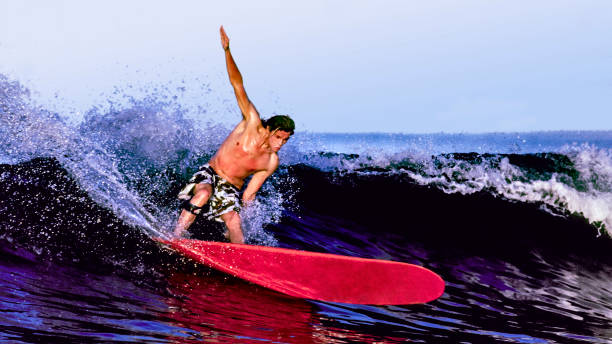
The late 60s saw surfers craving more radical, vertical maneuvers. Long, heavy logs were great for nose riding but limited in the pocket. Inspired by Bob McTavish and George Greenough, shapers started chopping off feet, adding rocker, and finning boards differently. This created lighter, more responsive crafts that could rip across the wave face, carve hard off the lip, and handle hollow juice. It was a pure desire for performance that changed the game forever.

Surfboard Evolution

The move away from heavy polyurethane foam and fiberglass was key. Lighter blanks and the introduction of the thruster fin setup (three fins) by Simon Anderson in the early 80s gave shortboards insane drive and control. These materials and designs gave surfers the confidence to push into heavier, barreling waves and come out flying, allowing for the progressive, aerial surfing we see today.

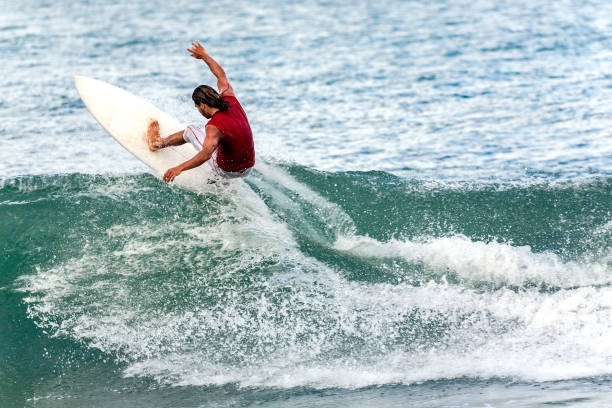
With less foam under your feet, you had to pump for speed and use the wave’s energy. The shorty allowed for explosive top-turns, deep bottom turns, and critical snaps in the pocket. Surfing moved from a graceful glide to a dynamic, athletic dance on the most powerful part of the wave. It unlocked a whole new bag of tricks, emphasizing radical turns and tube-riding over classic, cross-stepping elegance.

It fundamentally redefined what was possible on a wave. It led directly to modern high-performance surfing, big-wave charging at spots like Jaws, and the aerial revolution. While longboarding made a huge comeback for its soulful style, the shortboard remains the standard for progression. It turned surfing from a pastime into a truly radical sport, pushing the limits of speed, power, and flow every single session.