Mastering the Waves

•

Live Surf Cams

Surfline Live is a 24/7 glimpse into the world’s surf.

This stream moves through Surfline’s global camera network, showing spots where it’s daylight and rated Fair or better.

What’s The Deal With…?

Mastering the Waves

Traction, brother! Without good wax, you’re a slip-and-slide waiting to happen. A proper wax job gives your feet the grip needed for powerful turns and critical drops. Apply a basecoat in a circular pattern for warmer water, and a topcoat for cooler temps. Keep it fresh, especially after a few sessions or if it gets slimy. It’s a simple ritual that keeps you connected to your stick. No wax, no grip, no style.

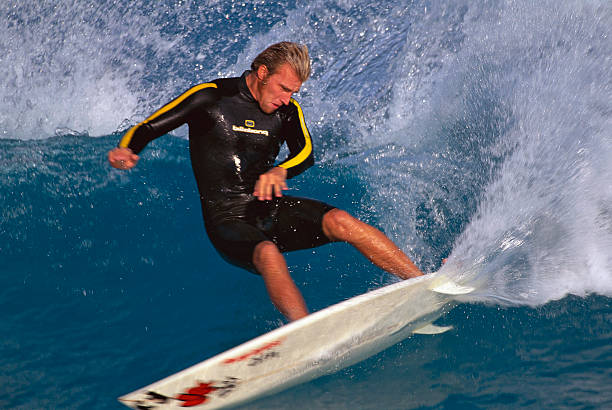
Look where you want to go, not at your feet! Your head and shoulders lead your turn. To set a line down the line, look along the shoulder. To set up for a cutback, glance back at the whitewater. Your board will follow your gaze. Keeping your eyes up also helps with balance and spotting sections. It’s all about connecting with the wave’s energy, and it starts with your vision. Don’t get stuck staring at the nose.

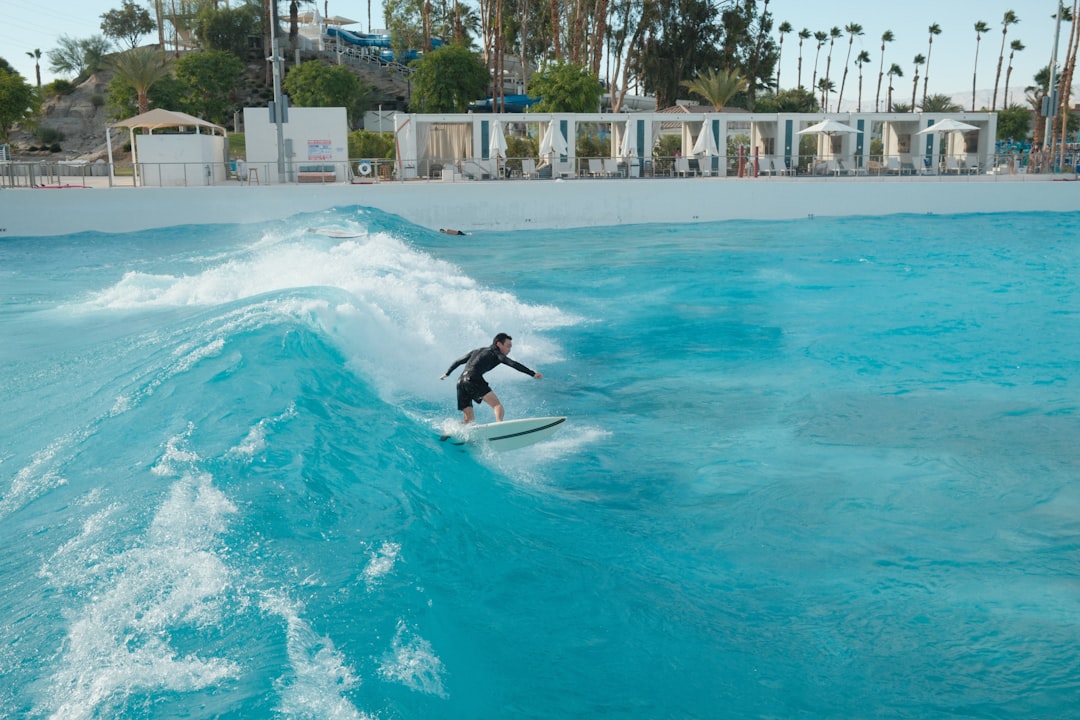
The first step is mastering the take-off and building solid board control. You gotta be able to read the wave perfectly, positioning yourself deep in the pocket. It’s not just about courage; it’s about timing and placement. Practice on smaller, hollower waves to get the feel of that drop-in and immediate bottom turn. Having the right equipment, like a board with enough rocker, is key. It’s a dance with the lip, and you need to earn your invite.

Mastering the Waves

Observe the vibe first. Always follow the pecking order—the surfer closest to the peak has priority. Don’t snake or drop in. Paddle wide around the break, not through the take-off zone. Give respect to get it. A friendly nod goes a long way. If you’re a kook, own it and take your turns on the inside waves. It’s about sharing the stoke, not hogging all the juice. A good attitude is your best currency.

Timing is everything. Watch the sets and find the lulls. When a wall of whitewater comes, roll turtle (on a longboard) or duck dive (on a shortboard). For a duck dive, sink the nose deep, push the tail down with your foot, and use your knee to drive the board under the turbulence. Stay calm and conserve energy. Sometimes, it’s smarter to walk down the beach to a channel. Don’t fight the ocean; work with it.

It’s about predicting what the wave will do before it happens. Watch the horizon for lumps that signal a set. As it approaches, look for the highest peak—that’s where it’ll break first. Notice the angle of the swell and the wind. You’re looking for the energy pocket, the shoulder, and any sections that might line up or close out. This skill comes from countless hours in the lineup. It’s your roadmap for the ride.