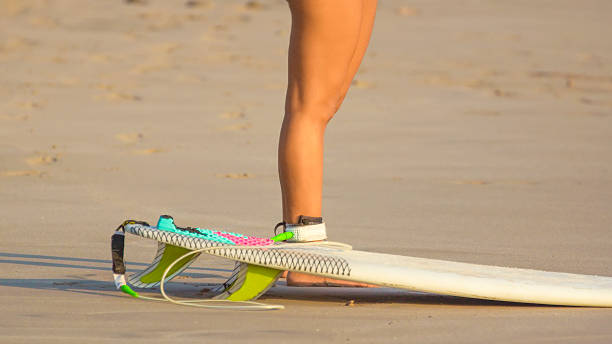
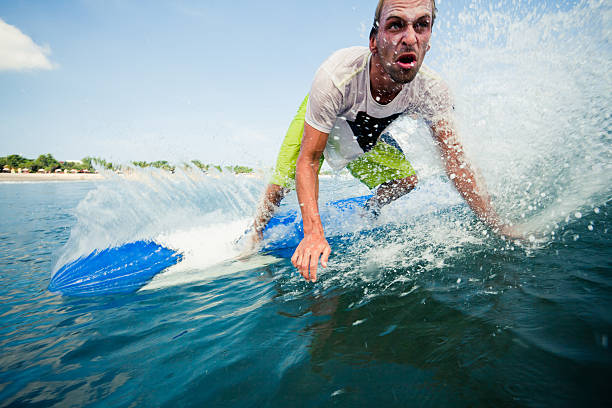
Picture this: you are standing on the beach, waxing up your stick, and you catch a glimpse of the guy next to you. He is rocking a pair of colorful, lightweight board shorts that look like they belong on a runway in Tokyo or a sunset session at Malibu. Now, imagine telling that same guy that fifty years ago, dudes were paddling out in cutoff jeans or wool trunks that weighed ten pounds when wet. You would get a blank stare, maybe a laugh. The board short has come a long, long way, and its story is woven right into the fabric of surfing culture. It is not just about covering your skin. It is about the vibe, the freedom, and looking stoked even when you are just hanging on the shore.
Back in the early days, surfers were not thinking about style. They were thinking about survival. The first wave riders in Hawaii and California wore simple swim trunks or even modified trousers. These threads were heavy, slow to dry, and rough on the skin. You spent half your session tugging at your waistband or shivering in the wind. By the 1950s, the scene shifted. The trunks got shorter, often just a few inches above the knee. They were still made from cotton or wool, which meant they soaked up saltwater like a sponge and sagged down to your knees on the drop. It was brutal, but it was all we had.
Then came the 1960s and the dawn of the modern board short. The Endless Summer era exploded, and suddenly surfing went from a fringe hobby to a global lifestyle. Surfers started demanding something that would not drag them down. Enter nylon and later, polyester. These synthetic fabrics were light, dried fast, and held up to the constant abuse of salt, sun, and wax. The length crept up a bit, settling right around the knee, a cut that offered both mobility and a bit of modesty. The fly closure got simpler, and the drawstring came into its own. It sounds small, but that drawstring meant you could ditch the belt and move your whole body without restriction. That was the real game changer.
But the real revolution hit in the 1980s and 1990s. Branding took over. Quiksilver, Billabong, Rip Curl, O’Neill—these names became the language of the lineup. The board short became a canvas. Loud patterns, neon colors, Hawaiian prints, and wild graphics all splashed onto the scene. It was not just about function anymore. It was about identity. You could tell a guy’s home break, his favorite surfer, even his personality, just by looking at his shorts. The rise of the baggy fit, the longer inseam, and the bold waistband all happened in this era. Suddenly, board shorts were not just for surfing. You wore them to the bonfire, to the coffee shop, to the grocery store. They became the uniform of the coastal tribe.
Technology also kept pushing forward. Velcro flies, which were a Navy innovation adapted by surf brands, gave you a secure closure that would not pop open on a late takeoff. Seams got welded instead of stitched, reducing chafe and increasing durability. Some shorts even got built-in compression liners or expandable waistbands to accommodate a wet wetsuit underneath. The materials got stretchy. Four-way stretch fabric entered the game, allowing you to twist, pump, and carve without feeling like you were wearing a straightjacket. The best board shorts now feel like a second skin. You forget they are even there.
And what about the art? Today, limited runs from small shapers and underground artists sit alongside mainstream prints. You can find shorts that tell a story of a specific wave, a remote island, or a classic surf photographer’s shot. Some designs echo the old school styles of the 50s and 60s, a nod to the roots of the sport. Others push into abstract modernism, with colors that pop against the ocean’s blue. The choice is almost overwhelming, but that is part of the fun. Your shorts are your signature.
But let us talk about how you wear them on the shore. In the water, it is about performance. On the sand, it is about vibe. The best surfers know that looking stoked starts with confidence. You throw on a clean pair of trunks, a lightweight tee or no shirt at all, and the sun on your shoulders. You hang loose. You talk story with the crew. You watch the horizon. The board short has become the symbol of that whole mindset. It says you are ready for anything, a paddle out, a beach walk, a sunset beer, a spontaneous road trip. It is the thread that ties the surfing lifestyle together.
So the next time you pull on that favorite pair of shorts, think about the journey they took. From wool to stretch nylon, from heavy to light, from simple cover to cultural icon. That piece of apparel is not just clothing. It is a little piece of the endless summer. It is the stoke you carry with you, from the water to the shore and everywhere in between.