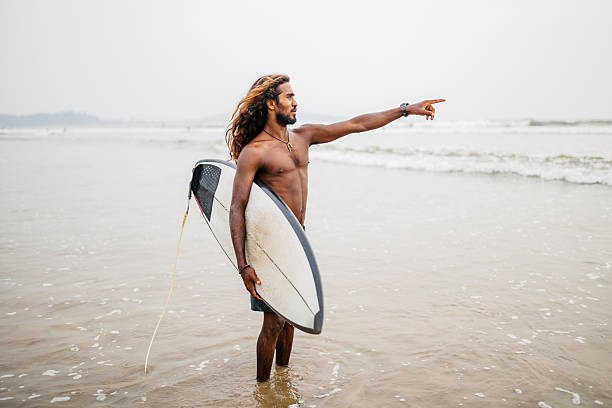
There`s a certain magic that happens when you paddle back in after a long session. You`re salt-crusted, sun-baked, and your arms feel like noodles. But the stoke is still buzzing through your veins like an electric current. What you slip into next tells the world everything about who you are. It`s not just about covering up. It`s about carryin` that wave energy from the lineup straight into the parking lot, the taco stand, or the bonfire pit. And for generations of surfers, nothing captures that transition quite like the aloha shirt. It`s the uniform of the shorebreak philosopher, the wardrobe choice of the guy who understands that the best part of surfing is the feeling that lingers after you`ve left the water.
The aloha shirt isn`t just a loud piece of fabric with some hibiscus flowers splashed across it. That`s the cheap version you grab at the airport gift shop when you realize you forgot to pack a change of clothes. The real deal carries a legacy. It was born from the same Pacific Island spirit that gave us the sport of wave riding in the first place. Back in the early days, the local tailors in Hawaii started stitching together colorful kimono fabric into short-sleeved shirts that caught the trade winds perfectly. They were light, they breathed, and they looked like a party. Duke Kahanamoku, the father of modern surfing, understood this connection instinctively. He didn`t just ride waves. He embodied a lifestyle that was graceful, powerful, and deeply connected to the ocean. He wore aloha shirts because they matched his soul.
When you throw on a proper vintage-style rayon aloha shirt, you`re not just getting dressed. You`re tapping into a frequency. The fabric moves with you, loose and forgiving, like the way a longboard glides across a mushy wave face. It doesn`t fight you. It complements your vibe. And that`s the key to lookin` stoked on shore. It`s not about following some fashion trend that some magazine editor in a concrete city decided was hot this season. It`s about reflecting the salt water in your veins. The best surf apparel is the stuff that makes you feel like you`re still on vacation, even when you`re just grabbing a burrito ten blocks from the beach.
Now, I`ve seen the whole spectrum of shore style. There`s the grom who bought the neon rash guard because his favorite pro was wearing one in the latest web clip. That`s fine, the stoke is real even if the taste is still developing. Then there`s the old salt who rocks the same faded corduroy hat and beat-up linen shirt he`s been wearing since the seventies. His look is timeless because it`s honest. And then there`s the crew who understands the art of the aloha. They know that a well-worn silk blend shirt with a pattern that looks like a coral reef exploded is the perfect counterpoint to a pair of simple boardshorts. It says, I just spent three hours getting worked by a swell, and I am perfectly content. My only plan is to find some shade and talk about that one wave.
The key is to avoid looking like you`re trying too hard. Surf style has always been about effortless cool. It`s the anti-fashion. You don`t need a $200 shirt with a tiny embroidered logo from some brand that doesn`t even make wetsuits. You need a shirt that feels good, that has a story, that makes you feel like the human extension of the ocean. Look for the older prints. The patterns that are so busy they almost give you a headache, but in a good way. The colors that have faded just enough from a hundred washes in community washers and motel sinks. Those shirts have soul. They`ve been on the journey.
And let`s be real, the aloha shirt is practical too. That`s the thing that city slickers never understand about surf style. It`s functional. You pull it on over a damp chest and it dries in minutes. The loose cut lets the breeze cool you down after you`ve been roasting in the sun. You can roll up to a high-end luau or a sketchy beach bar and you`re dressed appropriately for both. It`s the ultimate versatile piece of gear for the wandering surfer. It bridges the gap between the salt and the sand and the concrete.
So next time you`re standing in the shower rinsing the salt out of your hair, think about what you`re gonna throw on. Don`t just grab whatever crumpled t-shirt is closest. Make a choice. Pick something that celebrates the fact that you just communed with the most powerful force on the planet. Pick a shirt that lets the rest of the world know you are riding the wave of life, even when you`re standing perfectly still. Wear the aloha. Spread the stoke. It`s the closest thing to paddling back out without getting your feet wet.