All Articles

Live Surf Cams

Surfline Live is a 24/7 glimpse into the world’s surf.

This stream moves through Surfline’s global camera network, showing spots where it’s daylight and rated Fair or better.

What’s The Deal With…?

Surfboard Evolution

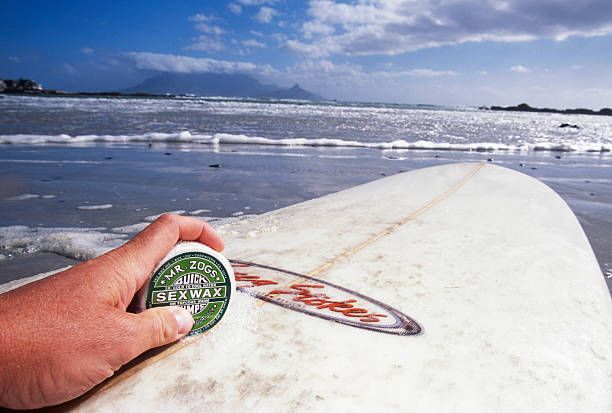
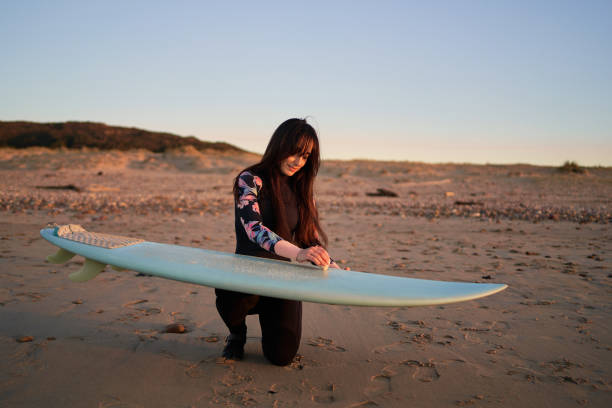
The sun is a total board killer, bro. UV rays break down the chemical bonds in the resin, making it brittle and yellow—this is called “chalking.“ A chalky board loses its strength and watertight seal. The foam inside can also get cooked, leading to delamination (where the fiberglass separates from the foam). Always throw a towel or bag over it on the beach or in the truck. A little shade goes a long way in preserving your favorite plank’s life and pop.

If you’re surfing shortboards and trying more radical maneuvers, a traction pad gives you that locked-in confidence. When you’re flying down the line and need to slam a bottom turn or hit the lip, your back foot needs to be planted. The extra grip lets you really drive through your turns and control your board powerfully. For grovelers or small-wave boards, it helps you pump and generate speed more effectively. It’s a game-changer for control.

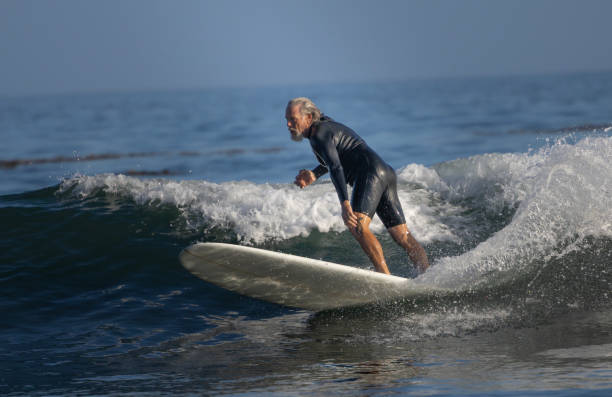
It’s all about matching your craft to the wave and your vibe. Shortboards are for ripping and sharp turns. Longboards are for classic style, nose rides, and smaller days. Funboards are the perfect hybrid for progression. Fish shapes provide insane speed in weak surf. Think of it like your quiver: you need different sticks for different conditions. Choosing the right shape is key to unlocking more fun in the water and taking your performance to the next level.

Surf Lingo Explained

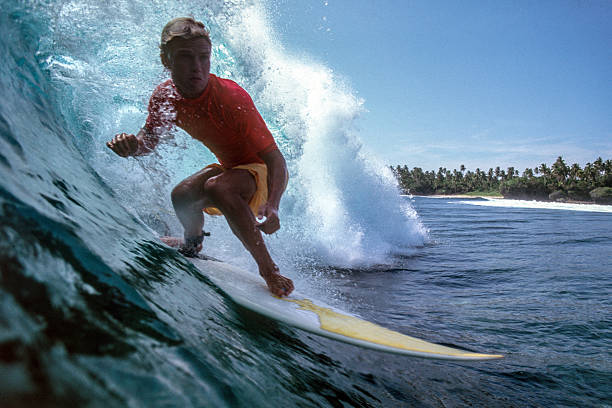
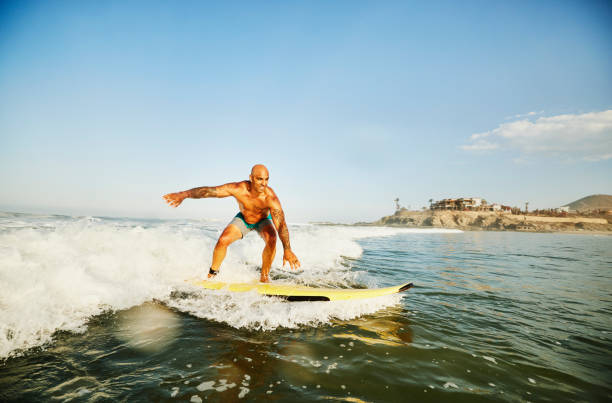
You gotta graduate to the green room, mate! The key is paddling out back and learning to catch an unbroken wave. Start on a mellow, rolling peak—not a steep, hollow beast. Focus on angling your take-off across the wall, not just straight toward the beach. This sets your line for a proper trim. Get comfortable shifting your weight from your front foot to your back foot to control your speed on the open face. It’s all about that first bottom turn to set up the rest of your ride. Practice makes permanent!

Not really better, but each stance can offer a different perspective on the wave. Goofy-footers might find it easier to set up for a right-hander (a wave breaking to the right), as they’re facing the open face. Regular-footers have the advantage on lefts. For airs and tricks, it’s more about personal style and practice. Some spots might feel more natural for one stance on the take-off, but a good surfer learns to rip on both their frontside and backside, regardless of their natural footing.

Absolutely. An influx of travelers can strain local resources, create waste problems, and lead to overdevelopment that ruins the natural coastline. The key is to travel respectfully: support local economies, follow established paths, minimize plastic use, and understand that you’re a guest in someone else’s lineup.