
All Articles

Live Surf Cams

Surfline Live is a 24/7 glimpse into the world’s surf.

This stream moves through Surfline’s global camera network, showing spots where it’s daylight and rated Fair or better.

What’s The Deal With…?

Surf Travel Adventures

Local weather is huge. Some spots are protected from prevailing winds by a headland or island, creating a wind shadow. Others get sideswiped by afternoon thunderstorms in the tropics. Understanding the daily wind cycle (like the classic afternoon “sea breeze” onshore switch) is key. Also, nearby points of land can block or refract swell. The best spots have reliable, clean conditions thanks to their unique geographic setup against local weather.

You’ll need a quiver! A standard shortboard for good days, a fish or funboard for smaller summer slop, and definitely a full wetsuit—a 3/2mm for most of the year, maybe a 4/3mm with booties for dawn patrol in winter. Don’t forget roof racks for the whip, a solid leash, and some wax. Sunscreen is non-negotiable, and a good attitude is your most important piece of equipment.

The name’s origins are a bit fuzzy, but the most popular story ties it to cartooning! In the 1930s, Disney’s Goofy was often animated surfing with his right foot forward. When surfers in Hawaii and California saw it, they started calling that unnatural-looking stance “goofy-foot.“ Before that, right-foot-forward riders were sometimes called “kook-foot.“ The name stuck, and now it’s a core part of surf lingo without any real negative vibe—it’s just a fun label for a natural stance.

Surf Travel Adventures

Do your homework. Understand the break’s pecking order and don’t drop in. A smile and being humble go far. Support the local economy—rent boards from the shop, eat at the cafes, maybe take a lesson from a local guide. Keep the beach clean. Teach your groms about etiquette, too. Showing respect for the spot and the locals ensures good vibes for everyone and sets a great example.

Leash thickness, or cuff width, is all about strength and drag. A standard 7mm cuff is perfect for everyday conditions up to head-high. When you’re eyeing heavier, more powerful surf, step up to a 8mm or even 9mm “big wave” leash for extra durability. Thicker means it can handle more pull, but creates slightly more drag. For small, weak waves, a thinner, lighter leash minimizes drag. Match the thickness to the power you’re expecting.

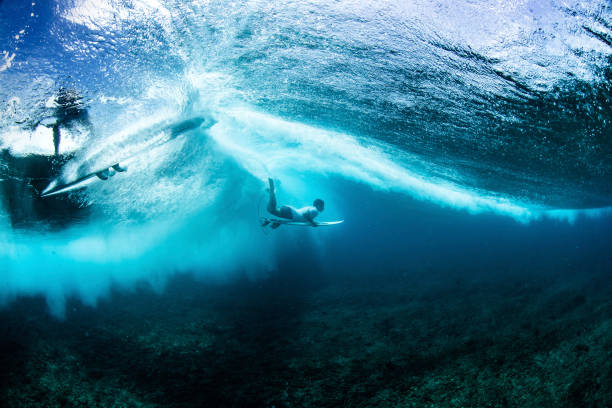
Duck diving is the technique used to push your board underwater beneath an oncoming whitewater wave, so you can get out back without getting pummeled. You shove the nose down, push the tail under with your knee or foot, and let the wave pass over you. It’s essential for shortboarders to efficiently get through the impact zone. Mastering it saves energy and gets you to the lineup faster, ready to catch set waves.