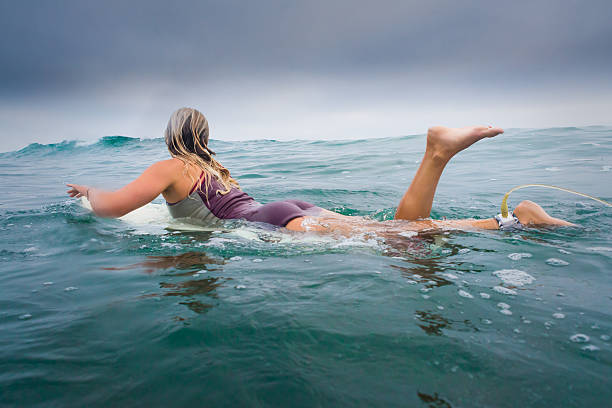
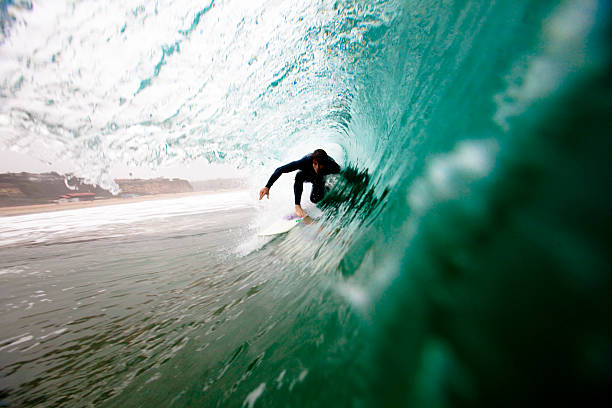
You pump down the line, bottom turn off the foam, and as you hit the lip, you feel that familiar tug at your ankle. That tug, that little snap of resistance that keeps your board from becoming a missile aimed at some poor soul’s skull, is your leash doing its thankless job. And when you come back down, planting your back foot right over the kick pad, that grip under your arch is your traction pad keeping you glued when your mind says one thing and the wave says another. We spend so much time obsessing over fin templates, stringer flex, and the latest epoxy space-age resin that we forget the two pieces of gear that actually connect us to the ride. Your leash and your traction are the unsung heroes of every session, and the brands that make them have dialed in a science that deserves a whole lot more stoke.
Think about the last time you paddled out into overhead barrels. Your board felt fine, your wetsuit was snug, but if that leash was old, kinked, or made by some no-name company, there’s a tiny voice in your head that knows one wrong wipeout means a long swim and a walk of shame. The good crew over at Creatures of Leisure figured this out years ago. They build leashes with bungees that stretch without snapping, swivels that spin like a reel, and cuff straps that stay put without cutting off circulation. Their “Ultra” leash is the go-to for guys hitting reef breaks because it has this weird ability to absorb the shock of a freight-train wave without blowing out. Then you got Dakine, the old-school OG that never misses. Their leashes feel like they could anchor a boat, and they use a urethane material that doesn’t tangle into a rats nest the second you grab your board. I’ve seen groms spend half their session untangling, while the wise old heads ride Dakine and forget their leash even exists until that one fateful moment.
But a leash only saves your board when things go sideways. The traction pad is what keeps you in control before that happens. A blank deck is a slippery lie. You think you can grip with your bare feet, and maybe you can on a glassy two-foot day, but when the wave gets hollow and your speed picks up, that back foot needs a textured ramp that locks you in. FCS made their name with fins, but their traction pads are low-key legends. The soft foam with that diamond pattern gives you just enough give to feel the deck flex, but enough bite to hold a hard bottom turn on a rail. Then there’s the kick tail, that raised wedge at the back. Without it, your foot slides off during a snap, and suddenly you’re flying into the flats with no leverage. Brands like Gorilla and Pro-Lite take this to another level. Gorilla’s pads have this aggressive, almost sandpapery grip that will chew through your wetsuit boots if you wear them, but if you’re rawfooting it, they’re pure traction. Pro-Lite, on the other hand, makes these cushioned pads that feel like a memory foam mattress strapped to your board. They’re perfect for long sessions or guys with old knees.
The real trick is matching your traction to your style. I’ve seen shortboard rippers run a single pad right over the stringer, no foam, just a thin strip of rubber. That gives them maximum feel for the board’s flex under their back foot. Meanwhile, loggers and hybrid riders prefer a full tail pad with a big kick, because they’re sliding up and down the deck on noserides and need that traction when they shuffle back to the tail. The leash length also matters – a shorter leash (under six feet) keeps the board closer for quick recoveries but can yank you back harder on a big wipeout. A longer leash gives you more slack to swim away, but it can drag and slow you down when you’re paddling. Most brands offer options from 5 to 10 feet, and the pros have their own quirks. Kelly Slater runs a weirdly short leash, while some big-wave chargers go extra long.
What a lot of surfers forget is that both leash and traction are wear items. That brand-new pad loses its bite after a few months of UV exposure. The leash’s urethane gets stiff, the swivel gets gritty. Check your gear like you check your wax. I’ve had a leash snap in chest-high mush, and it was entirely my fault for ignoring the cracks. The good brands make it easy to replace, and they’ve got your back with colors and patterns that make your board look fresh even if the bottom is dinged. At the end of the day, you can ride a potato with a good traction pad and a solid leash, and you’ll have a better time than someone on a $800 custom with a slippery deck and a frayed cord. So next time you’re at the shop, don’t just stare at the gloss and stringers. Give a nod to the leash rack and the pad bin. Those little pieces of rubber are the real connection between your body and the ocean’s energy. Treat them right, and they’ll keep you in the line-up when the swell turns on.