All Articles

Live Surf Cams

Surfline Live is a 24/7 glimpse into the world’s surf.

This stream moves through Surfline’s global camera network, showing spots where it’s daylight and rated Fair or better.

What’s The Deal With…?

Surf Technique Deep Dive

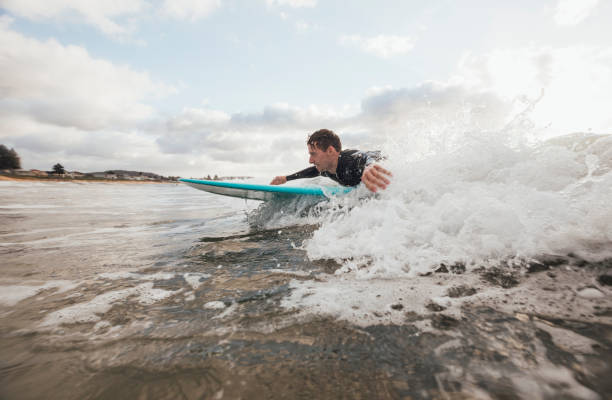
It’s your submarine move. When a wall of whitewater is about to slam you, you use your board’s buoyancy against itself. You shove the nose down, get your body deep, and let the wave’s energy pass right over you. The key is timing and using your knee or foot to sink the tail. Master this, and you stop wasting energy fighting foam and start saving it for riding clean faces. It’s the essential paddle-out skill for shortboards and many funboards.

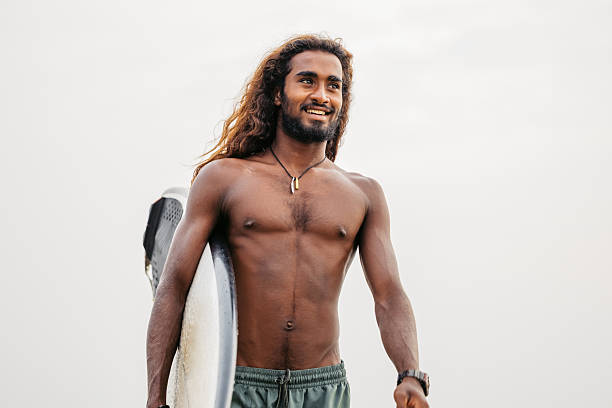
Their influence is dripping into every lineup. The way they blend high-performance surfing with a unique, often more relaxed personal style is key. They’re making progressive maneuvers seem accessible, pushing everyone to try new things. Their fashion, music tastes, and even the way they talk about stoke spread through edits and posts. They remind us that while competition is fierce, the core of surfing is still about pure fun, expression, and living the dream. They’re the new heartbeat of the culture.

It’s all about the mils, bro. A 3/2 means 3mm in the core and 2mm in the arms/legs for warmer water. Colder spots demand a 4/3 or even a 5/4/3 hooded suit. Thicker neoprene equals more warmth but less flexibility. You gotta match it to your conditions. A suit that’s too thick in warm water will cook you, and one too thin in cold water will have you shivering after your first duck dive. It’s the essential balance for chasing waves year-round.

Surf Lifestyle & Travel

Think warmth, brah! A good 5/4mm wetsuit, boots, gloves, and a hood are essential year-round. In winter, consider a 6mm or even a drysuit for dawnies. Bring a range of boards—a funboard or fish for mushy days and a step-up for powerful swells. Don’t forget a solid roof rack, a changing robe for windy car parks, and a thermos for a hot cuppa after your session. It’s all about staying in the water longer.

It can be, but you can manage it. Visibility is the main issue—seeing rips, other surfers, or your own board is harder. Stick to a break you know really, really well. A good rule is to avoid sketchy, shallow spots you’re not 100% on. Surf with a buddy and consider a board with brighter colors. Your judgment might be a bit foggy, so take a minute to watch the sets before paddling out. The ocean’s power doesn’t change with the light, so respect it.

You’ll want a modern, high-performance shortboard. Look for a lightweight epoxy construction with a lot of rocker (curve from nose to tail) to help get you up and over the lip. A pulled-in, narrow tail—like a squash or round—gives you snappy release. Keep it relatively small and thin for maximum responsiveness. While you can try on a fish or a mini-mal, a true performance stick is the tool for the job.