All Articles

Live Surf Cams

Surfline Live is a 24/7 glimpse into the world’s surf.

This stream moves through Surfline’s global camera network, showing spots where it’s daylight and rated Fair or better.

What’s The Deal With…?

Surf Lingo & Slang

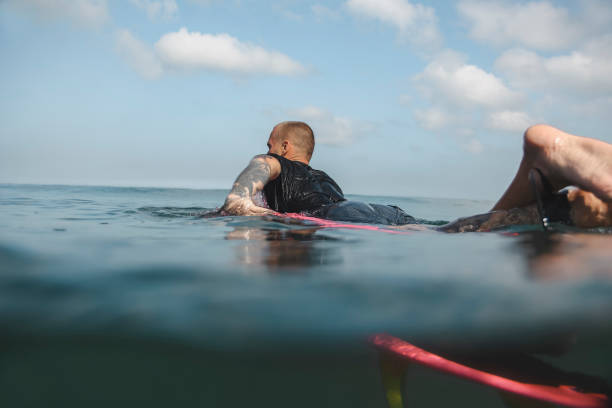
Dawn patrol is that first light mission, paddling out as the sun cracks the horizon. It’s often the cleanest, glassiest conditions with the lightest winds. Plus, you get the waves before the crowd shows up, sharing the lineup with only the most dedicated crew. It’s a peaceful, almost spiritual way to start the day. You’ll score empty peaks and that unbeatable feeling of being in the ocean as the world wakes up. Nothing beats trading sleep for a few silky morning barrels.

Respect the place that gives us so many waves. Use a reef-safe sunscreen to protect the delicate ecosystems. Always bin your trash, or better yet, pick up any plastic you see. Support local eco-conscious brands and businesses. Consider walking or cycling to your local break instead of driving. We’re all custodians of these incredible coastlines, so let’s keep the Gold Coast golden for the grommets who come after us.

The OG boards were called papa heʻe nalu. Chiefs rode massive olos, carved from wiliwili or koa wood, sometimes reaching 18 feet long. The commoners rode shorter, more maneuverable alaia boards. These weren’t just toys; they were sacred craft, shaped with stone tools and blessed by kahuna priests. Riding waves was deeply spiritual, a way to connect with the ocean’s mana (power) and show your skill and grace. It was way more than just a sport, brah.

The Surfing Life

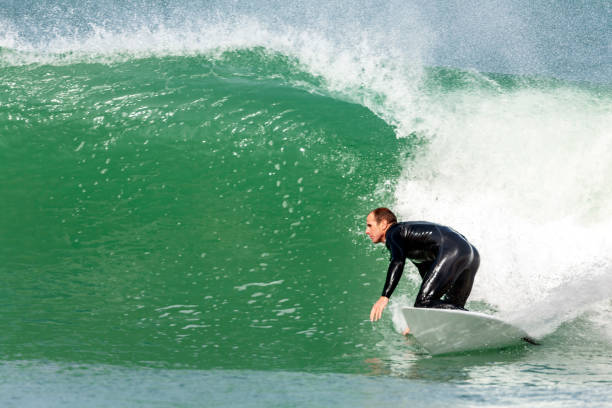
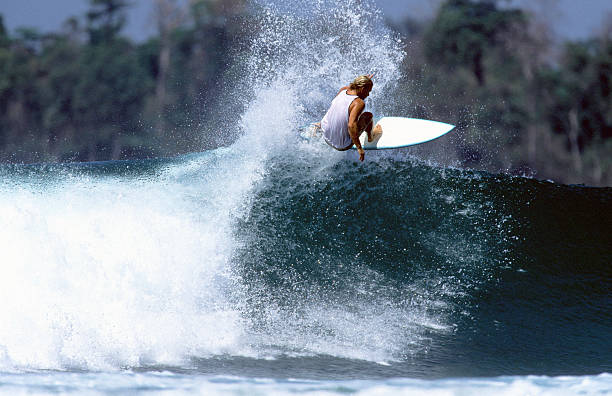
Timing and commitment, bro! It starts with generating speed down the line. As you approach the shoulder, shift your weight to your back foot, look where you want to go—back towards the whitewater—and really drive your rail through the turn. Don’t be afraid to lean into it! The goal is to redirect your momentum back toward the power source of the wave. It might feel sketchy at first, but once you stick it, you’ll feel the magic.

Think beyond the packed resorts. For consistent waves, consider places like the coast of Uruguay, southern Sri Lanka like Hiriketiya, or the lesser-known islands of Indonesia like the Mentawais’ quieter spots. Central America still has hidden enclaves in Nicaragua and El Salvador. Portugal has heaps of coastline beyond Nazaré. Research requires connecting with traveling surfers and being willing to explore. Remember, the best wave is often the one you find with just your friends in the water.

First, check the leaves, flags, or smoke on land to see which way they’re blowing. The key is the direction from the wind. Face the ocean: if the wind hits your back, it’s offshore. If it blows in your face, it’s onshore. A wind hitting your side is cross-shore, which can be okay depending on the angle. Local knowledge and surf forecasts are your best friends here.